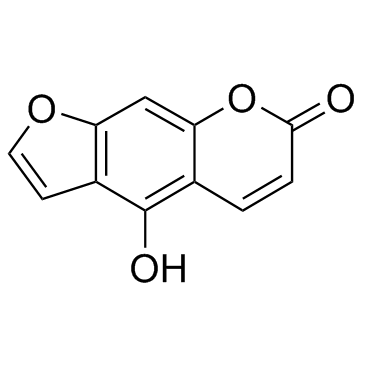
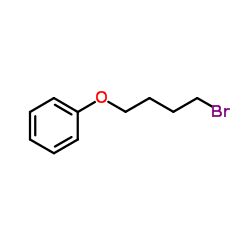
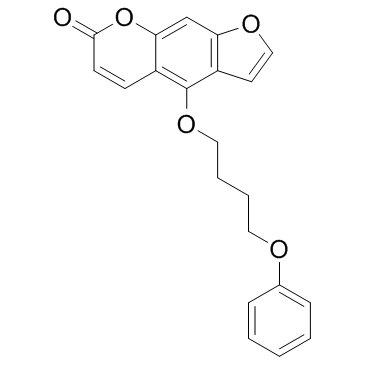
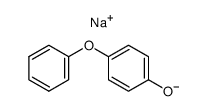
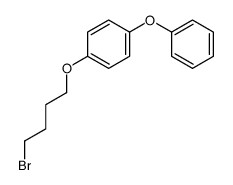
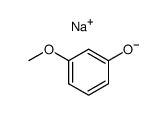
Abstract The lymphocyte K+ channel Kv1. 3 constitutes an attractive pharmacological target for the selective suppression of terminally differentiated effector memory T (T EM) cells in T cell-mediated autoimmune diseases, such as multiple sclerosis and type 1 diabetes. Unfortunately, none of the existing small-molecule Kv1. 3 blockers is selective, and many of them, such as correolide, 4-phenyl-4-[3-(methoxyphenyl)-3-oxo-2-azapropyl] ...