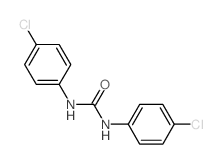
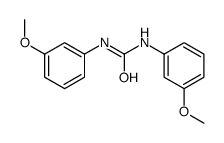
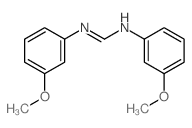
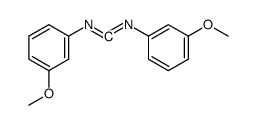
Catalytic hydrosilylation of carbonyl functional groups is gaining an increasing interest in synthetic organic chemistry because it circumvents important limitations of the more classical hydrogenation or metal-hydride mediated reduction methodologies.[1] Indeed, hydrosilanes are practical reducing agents because they have a mild reduction potential and are less sensitive to moisture than LiAlH4, DIBAL, or NaBH4. Moreover, the slightly polar and ...