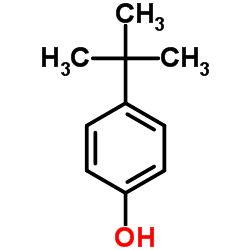
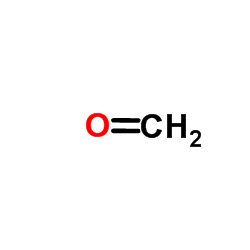
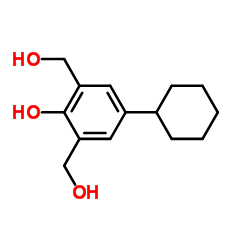
Acyclic para-substituted phenol–formaldehyde oligomers (R= H, Me, n-Bu, t-Bu, and cyclohexyl; the number of phenol units= 3–6) form host–guest complexes with various organic compounds. The inclusion property of the acyclic oligomers is greatly influenced by the p-substituents of phenol and the number of phenol units in the oligomers; for example, a) while the t-butyl tetramer is effective, the corresponding butyl tetramer has a poor ability for ...

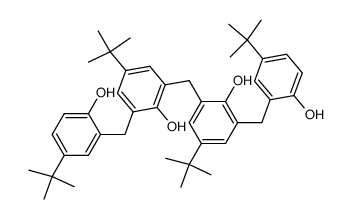
![2-[[2-hydroxy-3-[(2-hydroxyphenyl)methyl]phenyl]methyl]-6-[(2-hydroxyphenyl)methyl]phenol结构式](https://image.chemsrc.com/caspic/146/67988-30-1.png)