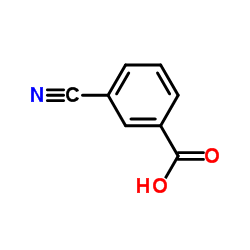
Abstract: Although peptides adopt a large ensemble of conformations in aqueous solution, they are generally believed to bind to a receptor in a unique conformation. Thus, there is considerable interest in devising methods to restrict the conformational freedom of peptides. One such approach involves tying the amino and carboxy terminal endsof the peptide onto a semirigid template that will lock the intervening peptide backbone into a single conformer ...
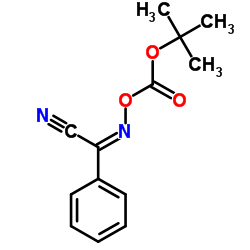

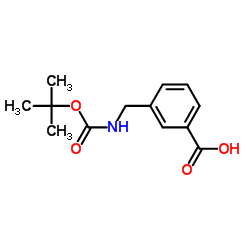
![3-[(叔-丁氧羰基-甲基-氨基)-甲基] -苯甲酸结构式](https://image.chemsrc.com/caspic/036/155567-87-6.png)