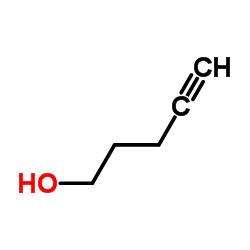
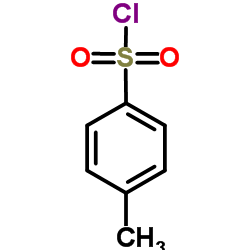
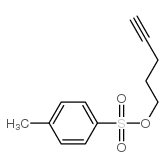
Bis-thiazolium salts are able to inhibit phosphatidylcholine biosynthesis in Plasmodium and to block parasite proliferation in the low nanomolar range. However, due to their physicochemical properties (ie, permanent cationic charges, the flexibility, and lipophilic character of the alkyl chain), the oral bioavailability of these compounds is low. New series of bis-thiazolium-based drugs have been designed to overcome this drawback. They ...
[Robinson, James M. A.; Kariuki, Benson M.; Harris, Kenneth D. M.; Philp, Douglas Journal of the Chemical Society. Perkin Transactions 2, 1998 , # 11 p. 2459 - 2469]
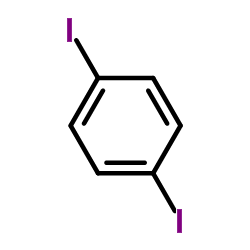
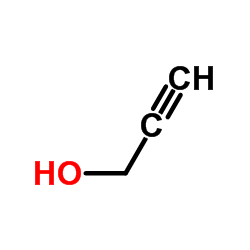
![3-[4-(3-hydroxyprop-1-ynyl)phenyl]prop-2-yn-1-ol结构式](https://image.chemsrc.com/caspic/400/91207-12-4.png)
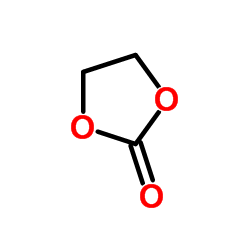
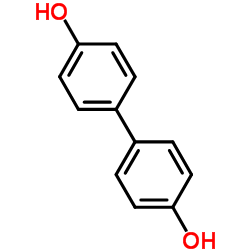
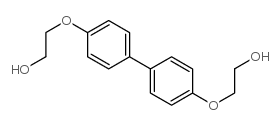
![1-(2-bromoethoxy)-4-[4-(2-bromoethoxy)phenyl]benzene结构式](https://image.chemsrc.com/caspic/215/39800-60-7.png)