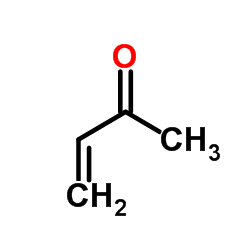
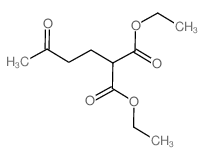
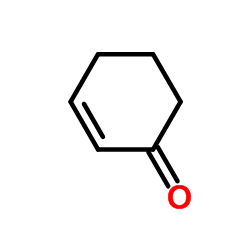
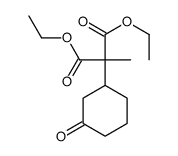
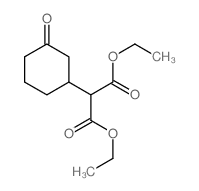
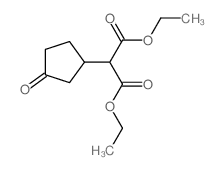
The Michael reaction is one of the most efficient methods for C−C bond formation and has wide applications in organic synthesis. 1 It is usually carried out with a base as the reagent. However, it suffers from some side reactions such as autocondensations, bis-additions, rearrangements, polymerizations, and 1,2-additions in the presence of strong bases. In recent years, various reagents (LiI, DBN under high pressure, alumina, BiCl 3, and CdI 2 ) were ...