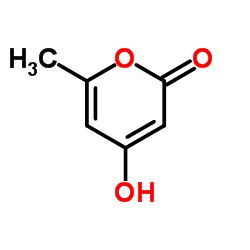
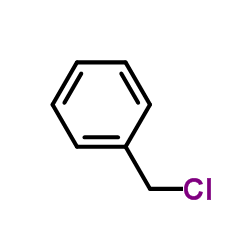
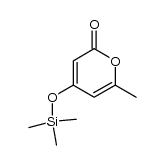
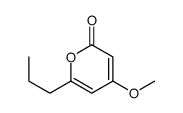
We examined two protocols for functionalizing C7 of 4-hydroxy-6-methyl-2-pyrone (3), the first involved temporary monoprotection of the C4-OH group as shown in 5, and the second involved dianion formation as shown in 7 (Scheme [1] ). An obvious concern would be the regioselectivity of the ensuing electrophilic substitution of these anions (C3 vs C5 vs C7 as shown in 8). The extent of delocalization in these anions as shown in their respective resonance structures ...