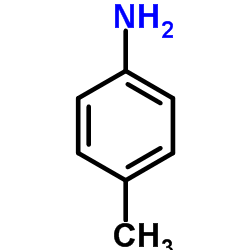
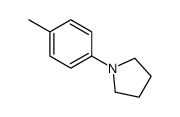
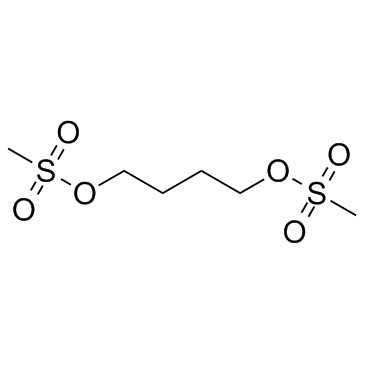
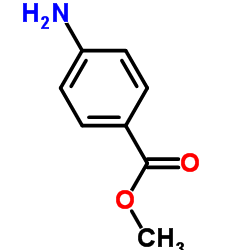
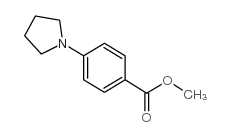
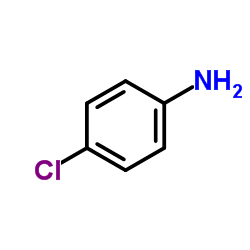
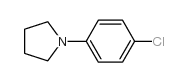
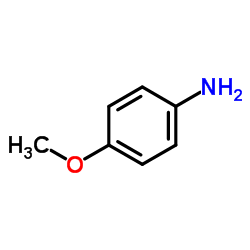
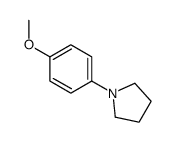
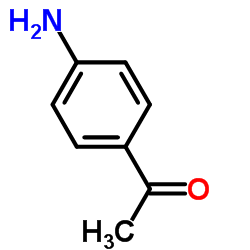
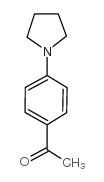
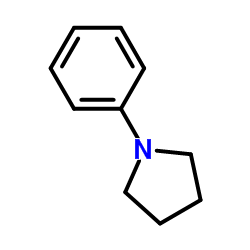
Pyrrolidines are common structural subunits present in natural and unnatural products [1]. Depending upon the substituents, pyrrolidines have been reported to possess a variety of important biological activities [2], including antibacterial, neuromodulatory, glycosidase inhibitory, and fungicidal activities. Among these, N-arylpyrrolidines, an important class of compounds, are prepared via alkylation of arylamines with glycol disulfonate in organic solvent for long times [3], using ...
[Hamid, M. Haniti S. A.; Allen, C. Liana; Lamb, Gareth W.; Maxwell, Aoife C.; Maytum, Hannah C.; et al. Journal of the American Chemical Society, 2009 , vol. 131, p. 1766 - 1774]

![1-methyl-4-[4-(4-methylphenyl)sulfonyloxybutoxysulfonyl]benzene结构式](https://image.chemsrc.com/caspic/205/4724-56-5.png)