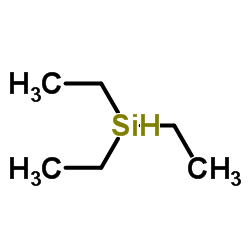
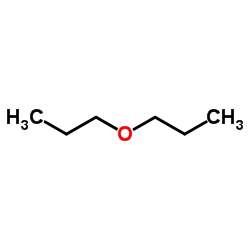
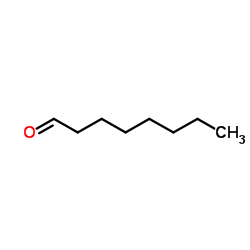
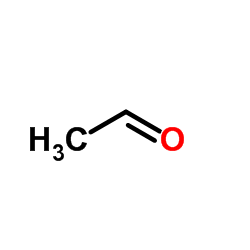
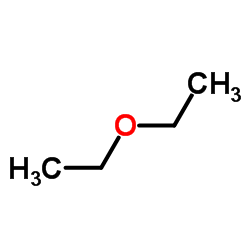
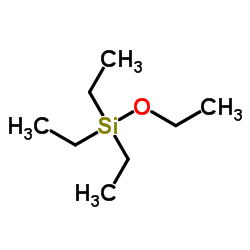
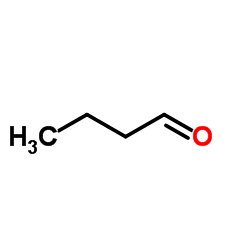
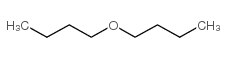
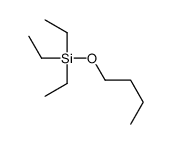
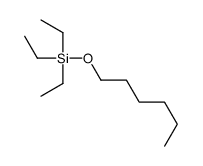
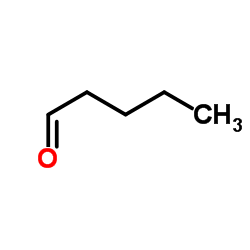
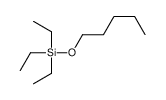
Abstract Two competing reactions ensue when trialkylsilanes HSiR′ 3 are treated with aliphatic aldehydes RCHO in the absence of a solvent and using a nickel catalyst (obtained by the treatment of anhydrous NiCl 2 with a trialkylsilane); one gives an alcoxysilane RCH 2 OSiR′ 3, the other an ether oxide (RCH 2) 2 O and a siloxane (R′ 3 Si) 2 O. By variation of the reaction conditions, either reaction can be made exclusive. Reaction mechanisms are ...