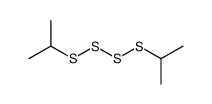
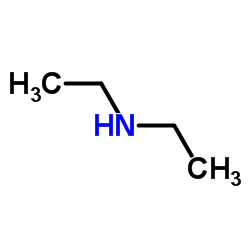
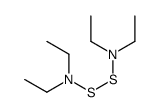
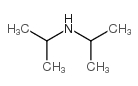
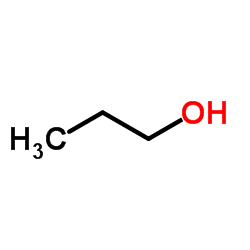
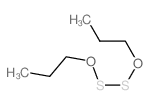
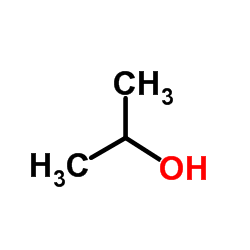
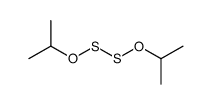
The central focus of this study is on the antibacterial and antifungal properties of synthetically produced S, S′-bis (heterosubstituted) disulfides as a means to control the growth of various infection-causing pathogens. Staphylococcus aureus, Francisella tularensis and Candida albicans were each found to be highly susceptible to several of these compounds by agar or broth dilution and Kirby-Bauer diffusion assays. These ...