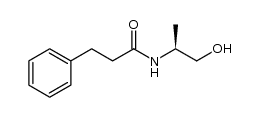
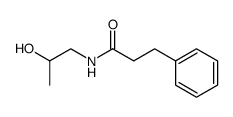
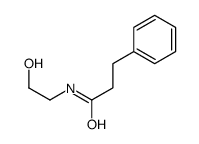
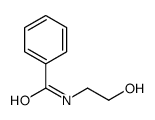
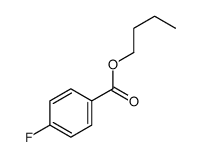
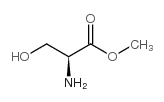
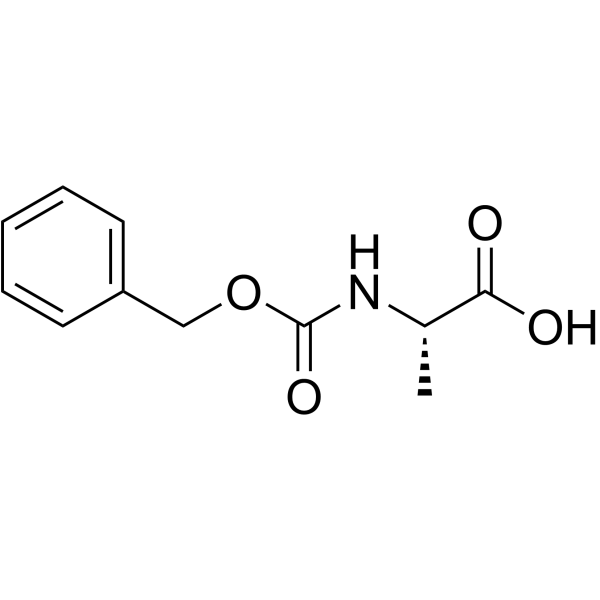
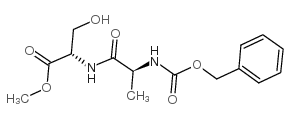
Amides are ubiquitous in nature and have extremely stable bonds, as their half-life for spontaneous hydrolysis is estimated to be 350 to 600years at neutral pH and room temperature.[1] In the biological metabolic cycle in nature, in contrast to the relatively easy formation of amides, the cleavage (hydrolysis) of amide bonds is an energy-consuming, ATP- dependent event that requires enzymes.[2] In chemical evolution in the pre-enzyme era, ...