前往化源商城

Journal of Experimental Medicine 2015-02-09

Bee venom processes human skin lipids for presentation by CD1a.

Elvire A Bourgeois, Sumithra Subramaniam, Tan-Yun Cheng, Annemieke De Jong, Emilie Layre, Dalam Ly, Maryam Salimi, Annaliza Legaspi, Robert L Modlin, Mariolina Salio, Vincenzo Cerundolo, D Branch Moody, Graham Ogg
文献索引:J. Exp. Med. 212(2) , 149-63, (2015)

全文:HTML全文

摘要

Venoms frequently co-opt host immune responses, so study of their mode of action can provide insight into novel inflammatory pathways. Using bee and wasp venom responses as a model system, we investigated whether venoms contain CD1-presented antigens. Here, we show that venoms activate human T cells via CD1a proteins. Whereas CD1 proteins typically present lipids, chromatographic separation of venoms unexpectedly showed that stimulatory factors partition into protein-containing fractions. This finding was explained by demonstrating that bee venom-derived phospholipase A2 (PLA2) activates T cells through generation of small neoantigens, such as free fatty acids and lysophospholipids, from common phosphodiacylglycerides. Patient studies showed that injected PLA2 generates lysophospholipids within human skin in vivo, and polyclonal T cell responses are dependent on CD1a protein and PLA2. These findings support a previously unknown skin immune response based on T cell recognition of CD1a proteins and lipid neoantigen generated in vivo by phospholipases. The findings have implications for skin barrier sensing by T cells and mechanisms underlying phospholipase-dependent inflammatory skin disease. © 2015 Bourgeois et al.

相关化合物

结构式 名称/CAS号 全部文献
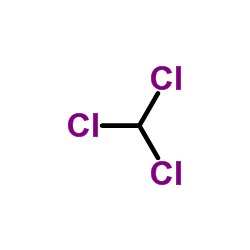
氯仿 结构式 氯仿
CAS:67-66-3
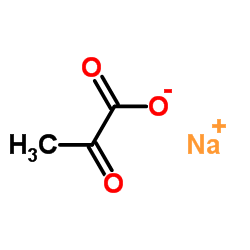
丙酮酸钠 结构式 丙酮酸钠
CAS:113-24-6
甲醇 结构式 甲醇
CAS:67-56-1
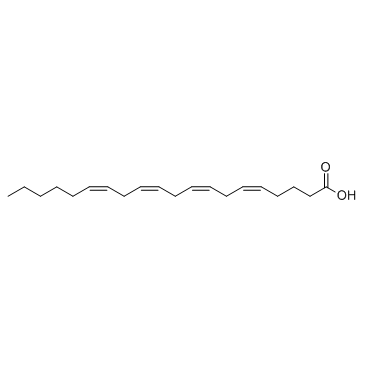
花生四烯酸 结构式 花生四烯酸
CAS:506-32-1
DL-赖氨酸 结构式 DL-赖氨酸
CAS:70-54-2
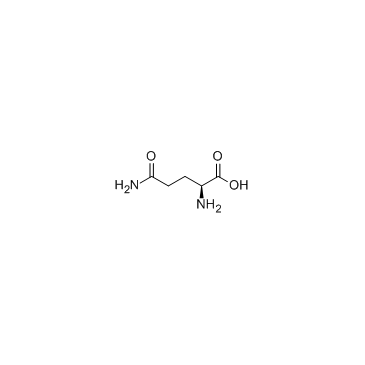
L-谷氨酰胺 结构式 L-谷氨酰胺
CAS:56-85-9
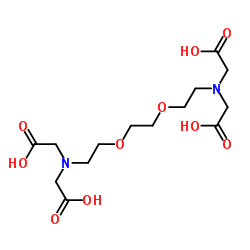
3,6-二氧杂-1,8-辛二胺四乙酸(EGTA) 结构式 3,6-二氧杂-1,8-辛二胺四乙酸(EGTA)
CAS:67-42-5
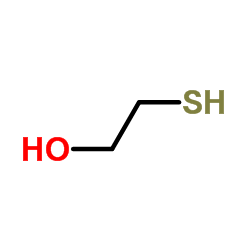
巯基乙醇 结构式 巯基乙醇
CAS:60-24-2
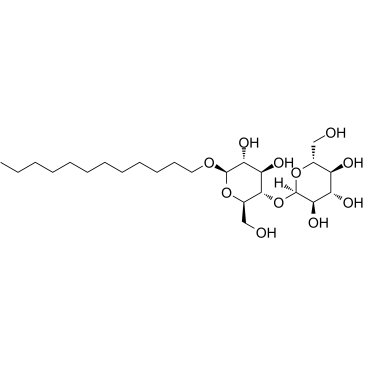
十二烷基-beta-D-麦芽糖苷 结构式 十二烷基-beta-D-麦芽糖苷
CAS:69227-93-6