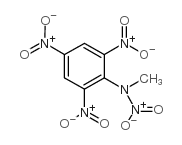
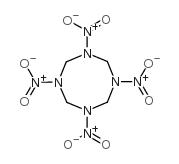
Overactivation of the N-methyl-D-aspartate receptor (NMDAR) in postsynaptic neurons leads to glutamate-related excitotoxicity in the central nervous system of mammals. We have built 3-D models of each domain for the universal screening of potential toxicants and their binding mechanisms. Our docking results show that the calculated pK (i) values of glycine and L: -glutamate significantly increase (>1) when the NR1 and NR2A S1S2 domains are closing, respectively. Inversely, D: -cycloserine (DCS) and 5,7-dichlorokynurenic acid (5,7-DCKA) do not show such a dependence on domain closure. Replica exchange molecular dynamics (REMD) confirmed 5 different conformational states of the S1S2 domain along the 308.2 K temperature trajectory. Analysis of residue fluctuations during this temperature trajectory showed that residues in loop 1, loop 2, the amino terminal domain (ATD), and the area linked to ion channel α-helices are involved in this movement. This further implicates the notion that efficacious ligands act through S1S2 lobe movement which can culminate in the opening or closing of the ion channel. We further tested this by docking hexahydro-1,3,5-trinitro-1,3,5-triazine (RDX) and octahydro-1,3,5,7-tetranitro-1,3,5,7-tetrazocane (HMX) to the S1S2 domain. Our results predict that these nitramines are not efficacious and thus do not produce excitoxicity when they bind to the S1S2 domain of the NMDAR.