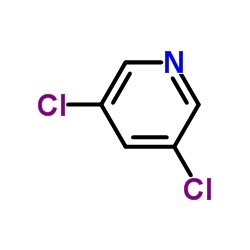
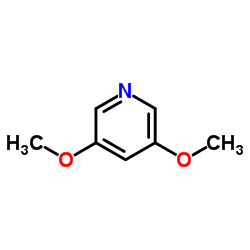
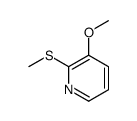
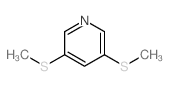
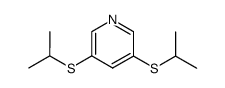
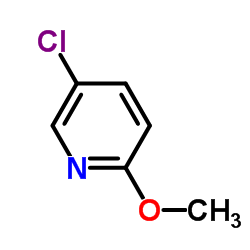
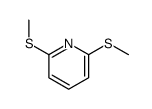
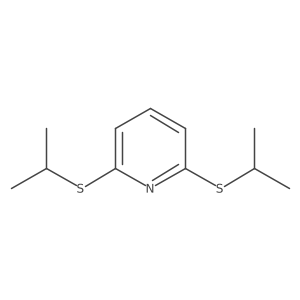
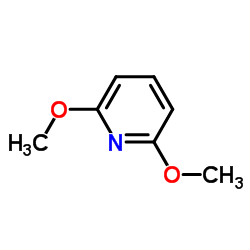
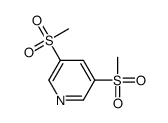
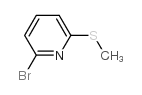
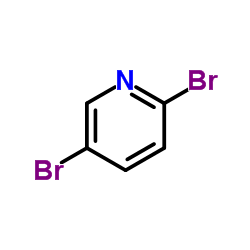
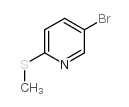
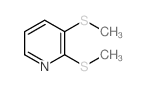
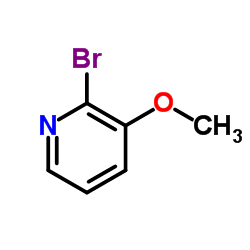
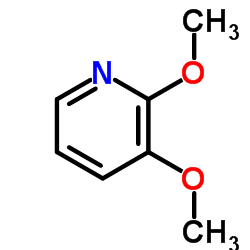
The reactions of 2, 6-and 2, 5-dibromopyridines and of 2, 3-and 3, 5-dichloropyridines with sodium isopropanethiolate and methanethiolate afforded the products of mono-or of bis- substitution depending on the experimental conditions. The same pyridines reacted with sodium methoxide to give good yields of the mono-substituted products; bis-substitution occurred easily only in the case of the 2, 6-dibromo-and of the 3, 5-dichloropyridine. The ...

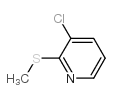


![Pyridine, 2,3-bis[(1-methylethyl)thio]结构式](https://image.chemsrc.com/caspic/250/98627-05-5.png)