Towards biologically active self-assemblies: model nucleotide chimeras.
Corinne Vebert-Nardin
文献索引:Chimia 65(10) , 782-6, (2011)
全文:HTML全文
摘要
With this article, we wish to give an overview of our main research activities assessing the potential of a suitable polymer modification of DNA fragments to self-assemble biologically active nanostructures. Specifically, the grafting of a hydrophobic polymer segment on DNA fragments results in amphiphilic nucleotide-based macromolecules, which, owing to both chemical and physical incompatibility, organize in self-assembled structures either on surfaces or in aqueous solution. Through the combination of the existing know-how in polymer chemistry with modern analytical techniques, we are currently focusing on establishing the mechanism of self-assembly of the polymer-modified nucleotide sequences in solution and on surfaces prior to the assessment of their hybridization capacity once involved in the ensemble. With the evaluation of the potential of the functional nanostructures to undergo biological-like adhesion through hybridization one can eventually foresee that the optimal functionality of these bio-inspired systems could be fine-tuned for biological applications such as drug delivery, gene therapy, tissue engineering and the design of either biomedical devices or biosensors.
相关化合物
| 结构式 | 名称/CAS号 | 分子式 | 全部文献 |
|---|---|---|---|
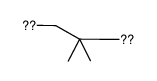 |
聚异丁烯
CAS:9003-27-4 |
C4H8 |
|
Microencapsulation of hydroxyzine HCl by thermal phase separ...
2013-02-01 [Pharm. Dev. Technol. 18(1) , 196-209, (2013)] |
|
Identification of a mixed microparticle by combined microspe...
2010-08-01 [Appl. Spectrosc. 64(8) , 895-900, (2010)] |
|
Modifying the response of a polymer-based quartz crystal mic...
2011-09-15 [Talanta 85(3) , 1648-57, (2011)] |
|
Rationally designed oxaliplatin-nanoparticle for enhanced an...
2012-02-24 [Nanotechnology 23(7) , 075103, (2012)] |
|
Functional polymer laminates from hyperthermal hydrogen indu...
2011-12-20 [Langmuir 27(24) , 14820-7, (2011)] |