D-苏糖
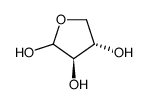
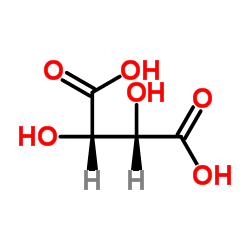
D-苏糖结构式

|
常用名 | D-苏糖 | 英文名 | D-(-)-threose |
|---|---|---|---|---|
| CAS号 | 95-43-2 | 分子量 | 120.10400 | |
| 密度 | 1.41g/cm3 | 沸点 | 311.1ºC at 760mmHg | |
| 分子式 | C4H8O4 | 熔点 | 130℃ | |
| MSDS | 美版 | 闪点 | 156.2ºC |
本表展示该化学物质的中文名称、英文系统名、各类中文与英文别名信息。
| 中文名 | D-(-)-苏糖 |
|---|---|
| 英文名 | D-threose |
| 中文别名 | D-苏糖 |
| 英文别名 | 更多 |
本表包含该物质理化参数,如熔点、沸点、密度、溶解度、旋光性等理化指标,无数据项标记为N/A。
| 密度 | 1.41g/cm3 |
|---|---|
| 沸点 | 311.1ºC at 760mmHg |
| 熔点 | 130℃ |
| 分子式 | C4H8O4 |
| 分子量 | 120.10400 |
| 闪点 | 156.2ºC |
| 精确质量 | 120.04200 |
| PSA | 69.92000 |
| InChIKey | YTBSYETUWUMLBZ-QWWZWVQMSA-N |
| SMILES | O=CC(O)C(O)CO |
| 外观性状 | 易潮解的晶体 |
| 折射率 | 1.619 |
| 储存条件 | 0-10°C;避免加热 |
| 水溶解性 | 水溶性:完全混溶;微溶:醇;不溶:乙醚 |
| 分子结构 | 1、 摩尔折射率:24.82 2、 摩尔体积(cm3/mol):70.7 3、 等张比容(90.2K):204.9 4、 表面张力(dyne/cm):70.5 5、 极化率(10-24cm3):9.84 |
| 计算化学 | 1、 疏水参数计算参考值(XlogP):-1.9 2、 氢键供体数量:3 3、 氢键受体数量:4 4、 可旋转化学键数量:0 5、 互变异构体数量: 6、 拓扑分子极性表面积(TPSA):69.9 7、 重原子数量:8 8、 表面电荷:0 9、 复杂度:84.1 10、同位素原子数量:0 11、确定原子立构中心数量:2 12、不确定原子立构中心数量:1 13、确定化学键立构中心数量:0 14、不确定化学键立构中心数量:0 15、共价键单元数量:1 |
| 更多 | 1. 性状:潮解性晶体,味甜。 2. 密度(g/mL,20℃):未确定 3. 相对蒸汽密度(g/mL,空气=1):未确定 4. 熔点(ºC):126-136 5. 沸点(ºC,常压):未确定 6. 沸点(ºC,KPa):未确定 7. 折射率:未确定 8. 闪点(ºC):未确定 9. 比旋光度(º):未确定 10. 自燃点或引燃温度(ºC):未确定 11. 蒸气压(mmHg,ºC):未确定 12. 饱和蒸气压(kPa,ºC):未确定 13. 燃烧热(KJ/mol):未确定 14. 临界温度(ºC):未确定 15. 临界压力(KPa):未确定 16. 油水(辛醇/水)分配系数的对数值:未确定 17. 爆炸上限(%,V/V):未确定 18. 爆炸下限(%,V/V):未确定 19. 溶解性:易溶于水,微溶于酒精,难溶于乙醚及石油醚。 |
本表为化学品安全说明书MSDS数据,包含危险标识、成分、急救、消防、泄漏处置、操作储存等安全信息。
本表记录该化合物安全警示、防护措施、禁配物、处置方式等安全相关参考信息。
| 个人防护装备 | Eyeshields;Gloves |
|---|---|
| 危险品运输编码 | NONH for all modes of transport |
| WGK德国 | 3 |
| 海关编码 | 2912491000 |
本表提供该化合物公开报道的合成路线、反应条件、反应物与产物参考信息。
本表列出该化学品对应的上游起始原料以及下游衍生产物清单。
| D-苏糖上游产品 10 | |
|---|---|
| D-苏糖下游产品 7 | |
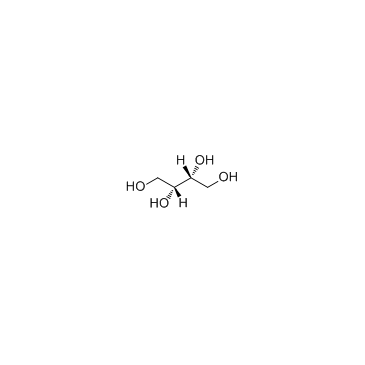 CAS号2418-52-2
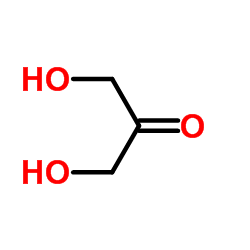 CAS号96-26-4
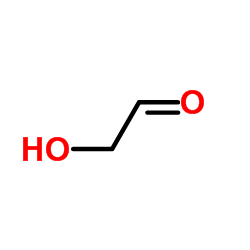 CAS号141-46-8
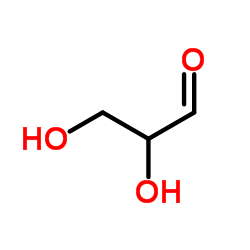 CAS号56-82-6
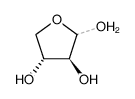 CAS号80877-73-2
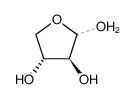 CAS号80877-72-1
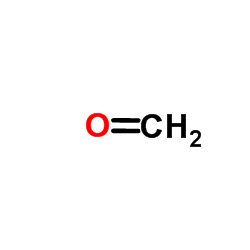 CAS号50-00-0
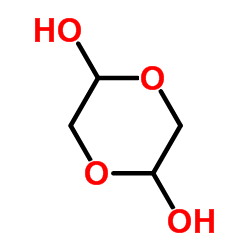 CAS号23147-58-2
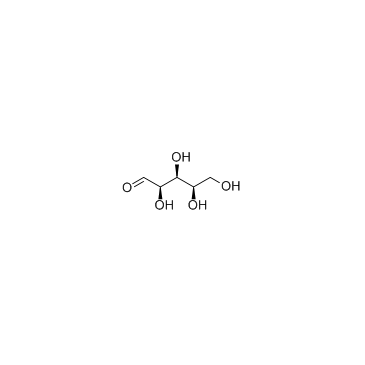 CAS号58-86-6
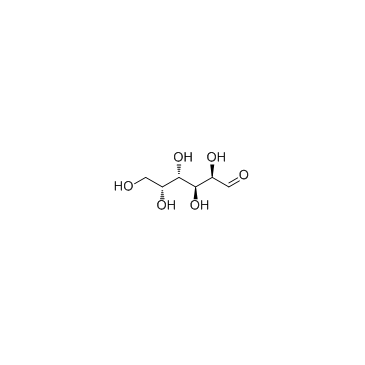 CAS号59-23-4
 CAS号1518-62-3
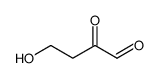 CAS号28119-61-1
 CAS号147-71-7
 CAS号17117-99-6
本表展示该化学品海关编码、关税、监管条件等进出口海关参考数据。
| 海关编码 | 2912491000 |
|---|---|
| 中文概述 | 2912491000. 醛醇. 增值税率:17.0%. 退税率:13.0%. 监管条件:无. 最惠国关税:5.5%. 普通关税:30.0% |
| Summary | 2912491000. other aldehyde-alcohols. VAT:17.0%. Tax rebate rate:13.0%. . MFN tariff:5.5%. General tariff:30.0% |
本表为该化合物相关公开文献,包含文献标题、期刊、发表信息等参考资料。
|
The silicate-mediated formose reaction: bottom-up synthesis of sugar silicates.
Science 327(5968) , 984-6, (2010) Understanding the mechanism of sugar formation and stabilization is important for constraining theories on the abiotic origin of complex biomolecules. Although previous studies have produced sugars fr... |
|
|
Formation of furan and methylfuran from ascorbic acid in model systems and food.
Food Addit. Contam. 24 Suppl 1 , 122-35, (2007) Previous model studies have suggested ascorbic acid as one of the major sources of furan, a possibly hazardous compound found in thermally processed foods (e.g. canned products, jars). The study showe... |
|
|
Nonenzymatic oligomerization of RNA by TNA templates.
Org. Lett. 8(25) , 5809-11, (2006) Cytosine TNA promotes nonenzymatic, template-directed oligomerization of complementary activated rGMP, leading to selective and efficient formation of RNA products. This process models "genetic takeov... |
本表罗列该化合物全部英文别名、系统命名、CAS别名等英文名称集合。
| (S-(R*,S*))-2,3,4-trihydroxy-butanal |
| N-(tert-Butoxycarbonyl)-D-2-phenylglycine |
| N-Boc-D-phenylglycine |
| (1R,2R)-2-Amino-1-(4-methylmercapto-phenyl)-propan-1,3-diol |
| MFCD00043042 |
| (S(R*,R*))-2-amino-1-[p-(methylthio)phenyl]propane-1,3-diol |
| (-)-(1R,2R)-2-Amino-1-<4-(methylthio)phenyl>-1,3-propanediol |
| (1R,2R)-2-amino-1-(4-methylsulfanyl-phenyl)-propane-1,3-diol |
| Boc-D-Phg-OH |
| D-(-)-threose |
| (2S,3R)-2,3,4-Trihydroxybutanal |
| Dg-threo-2,3,4-Trihydroxy-butyraldehyd |
| N-Boc-L-phenylglycine |
| Boc-(R)-phenylglycine |
| EINECS 202-418-0 |
| Boc-D-Phenylglycine |
| (R)-Boc-phenylglycine |
| D-N-Boc-phenylglycine |
| (R*,R*)-(+)-thiomicamine |
| (R)-2-[(tert-butoxy)carbonylamino]-2-phenylacetic acid |
| D-(-)-threo-2-amino-1-(4-(methylthio)phenyl)-1,3-propanediol |
| (R(R*,R*))-2-amino-1-[p-(methylthio)phenyl]propane-1,3-diol |
| (2R)-2-{[(tert-butoxy)carbonyl]amino}-2-phenylacetic acid |
本部分为该化合物相关常见问答,包含基础参数、性状、储存条件等高频咨询问题与对应答案。
| Q: 95-43-2的中文名称是什么? |
| A: 95-43-2的中文名称为D-(-)-苏糖。 |
| Q: D-(-)-苏糖的上游原料有哪些? |
| A: D-(-)-苏糖相关上游原料(CAS):2418-52-2;96-26-4;141-46-8;56-82-6;80877-73-2;80877-72-1;50-00-0;23147-58-2;58-86-6;59-23-4。 |
| Q: D-(-)-苏糖的极性表面积PSA是多少? |
| A: D-(-)-苏糖极性表面积PSA为69.92000。 |
| Q: D-(-)-苏糖的CAS号是多少? |
| A: D-(-)-苏糖CAS号为95-43-2。 |
| Q: D-(-)-苏糖的水溶性如何? |
| A: D-(-)-苏糖水溶性:水溶性:完全混溶;微溶:醇;不溶:乙醚。 |
| Q: D-(-)-苏糖的下游产品有哪些? |
| A: D-(-)-苏糖相关下游产品(CAS):1518-62-3;28119-61-1;56-82-6;141-46-8;147-71-7;17117-99-6;2418-52-2。 |
| Q: D-(-)-苏糖的外观是什么? |
| A: D-(-)-苏糖外观为易潮解的晶体。 |
| Q: D-(-)-苏糖有哪些中文别名? |
| A: D-(-)-苏糖中文别名有:D-苏糖。 |
| Q: D-(-)-苏糖的InChIKey是什么? |
| A: D-(-)-苏糖InChIKey为YTBSYETUWUMLBZ-QWWZWVQMSA-N。 |
| Q: D-(-)-苏糖的英文名称是什么? |
| A: D-(-)-苏糖英文名称为D-threose。 |
本表列出该化合物相关生产厂商、供应商信息,包含厂家名称、产品供应相关参考信息。
| 上海阿拉丁生化科技股份有限公司 |
| 上海化源世纪贸易有限公司 |
本网页内容来自不同专业数据源,如对内容有疑义,欢迎联系service1@chemsrc.com。

 351666998
复制
351666998
复制

 133 1186 9306
复制
133 1186 9306
复制

- 上海阿拉丁生化科技股份有限公司
- 上海市 上海市 浦东新区
- 产品名:D-苏糖
- 纯度:90.0%
- 价格: ¥1299.0/50mg ¥3999.0/200mg ¥需询单/1g ¥2990.0/1g
- 联系人:阿拉丁
 2881459338
复制
2881459338
复制
- 联系电话:400-620-6333
- 上海化源世纪贸易有限公司
- 上海市 上海市 普陀区
- 产品名:D-苏糖
- 纯度:90.0%
- 价格:
- 联系人:徐经理
351666998
复制
 133 1186 9306
复制
133 1186 9306
复制
- 联系电话:133 1186 9306
查看所有供应商和价格请点击: