Journal of Pharmacy and Pharmacology 2014-12-01

Small-scale twin-screw extrusion - evaluation of continuous split feeding.

Christian Muehlenfeld, Markus Thommes

Index: J. Pharm. Pharmacol. 66(12) , 1667-76, (2014)

Full Text: HTML

Abstract

The aim of this work was to evaluate a continuous, small-scale extrusion process with a particular focus on powder and liquid-feeding systems, because it is likely that uniformity issues are related to small-scale production.The study is divided into three parts. The first part investigates the uniformity and accuracy of the powder and the liquid feeders. In the second part, a solid polymer and low amounts of liquid plasticizer were combined in hot-melt extrusion. The third part deals with wet extrusion-spheronization using water as the granulation liquid.The powder and the liquid feed rate were identified as crucial parameters in small-scale extrusion. With respect to powder feeding, the cohesiveness of the powder and electrostatic charging are the limitations, while liquid feeding is challenging based on particularly low feed rates. The hot-melt extrusion was performed using a powder feed rate of 2 g/min. When small quantities of plasticizer were applied to the hot melt extrusions (from 2.5% to 15% w/w), homogenous plasticizer distribution was found. In wet extrusion, larger quantities of water were used and the extrudates were investigated with respect to their spheronization behaviour. Spherical pellets were obtained at certain water contents.These findings demonstrated that the extruder is a useful tool to screen formulations and perform feasibility studies on a small scale in the early stages of product development.© 2014 Royal Pharmaceutical Society.

Related Compounds

Structure Name/CAS No. Articles
Ethanol Structure Ethanol
CAS:64-17-5
HYDROFLUORIC ACID Structure HYDROFLUORIC ACID
CAS:7664-39-3
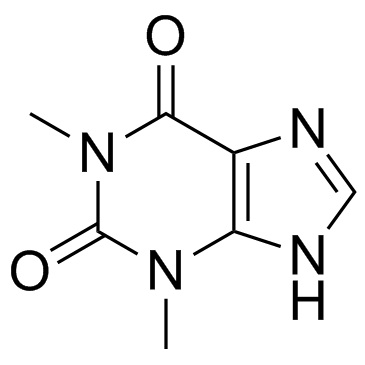
Theophylline Structure Theophylline
CAS:58-55-9
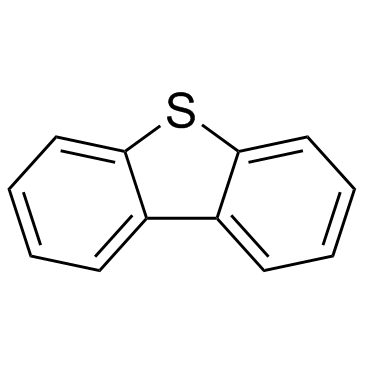
Dibenzothiophene Structure Dibenzothiophene
CAS:132-65-0