Chemistry and Physics of Lipids 2015-04-01

Dietary docosahexaenoic acid supplementation reduces SERCA Ca2+ transport efficiency in rat skeletal muscle.

Val Andrew Fajardo, Eric Bombardier, Thomas Irvine, Adam H Metherel, Ken D Stark, Todd Duhamel, James W E Rush, Howard J Green, A Russell Tupling

Index: Chem. Phys. Lipids 187 , 56-61, (2015)

Full Text: HTML

Abstract

Docosahexaenoic acid (DHA) can reduce the efficiency and increase the energy consumption of Na(+)/K(+)-ATPase pump and mitochondrial electron transport chain by promoting Na(+) and H(+) membrane permeability, respectively. In skeletal muscle, the sarco(endo) plasmic reticulum Ca(2+)-ATPase (SERCA) pumps are major contributors to resting metabolic rate. Whether DHA can affect SERCA efficiency remains unknown. Here, we examined the hypothesis that dietary supplementation with DHA would reduce Ca(2+) transport efficiency of the SERCA pumps in skeletal muscle. Total lipids were extracted from enriched sarcoplasmic reticulum (SR) membranes that were isolated from red vastus lateralis skeletal muscles of rats that were either fed a standard chow diet supplemented with soybean oil or supplemented with DHA for 8 weeks. The fatty acid composition of total SR membrane lipids and the major phospholipid species were determined using electrospray ionization mass spectrometry (ESI-MS). After 8 weeks of DHA supplementation, total SR DHA content was significantly elevated (control, 4.1 ± 1.0% vs. DHA, 9.9 ± 1.7%; weight percent of total fatty acids) while total arachidonic acid was reduced (control, 13.5 ± 0.4% vs. DHA-fed, 9.4 ± 0.2). Similar changes in these fatty acids were observed in phosphatidylcholine, phosphatidylethanolamine, and phosphatidylinositol, altogether indicating successful incorporation of DHA into the SR membranes post-diet. As hypothesized, DHA supplementation reduced SERCA Ca(2+) transport efficiency (control, 0.018 ± 0.0002 vs. DHA-fed, 0.014 ± 0.0009) possibly through enhanced SR Ca(2+) permeability (ionophore ratio: control, 2.8 ± 0.2 vs. DHA-fed, 2.2 ± 0.3). Collectively, our results suggest that DHA may promote skeletal muscle-based metabolism and thermogenesis through its influence on SERCA.Copyright © 2015 Elsevier Ireland Ltd. All rights reserved.

Related Compounds

Structure Name/CAS No. Articles
Methanol Structure Methanol
CAS:67-56-1
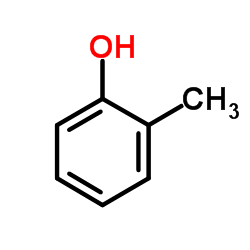
o-cresol Structure o-cresol
CAS:95-48-7
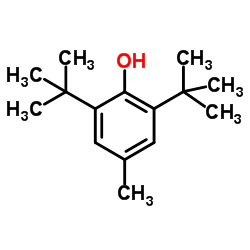
Butylated hydroxytoluene Structure Butylated hydroxytoluene
CAS:128-37-0
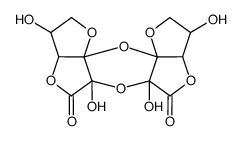
Empirical Formula(Hill Notation) Structure Empirical Formula(Hill Notation)
CAS:72691-25-9