Applied Biochemistry and Biotechnology 2012-08-01

Expression of codon-optmized phosphoenolpyruvate carboxylase gene from Glaciecola sp. HTCC2999 in Escherichia coli and its application for C4 chemical production.

Soohyun Park, Seung Pil Pack, Jinwon Lee

Index: Appl. Biochem. Biotechnol. 167(7) , 1845-53, (2012)

Full Text: HTML

Abstract

We examined the expression of the phosphoenolpyruvate carboxylase (PEPC) gene from marine bacteria in Escherichia coli using codon optimization. The codon-optimized PEPC gene was expressed in the E. coli K-12 strain W3110. SDS-PAGE analysis revealed that the codon-optimized PEPC gene was only expressed in E. coli, and measurement of enzyme activity indicated the highest PEPC activity in the E. coli SGJS112 strain that contained the codon-optimized PEPC gene. In fermentation assays, the E. coli SGJS112 produced the highest yield of oxaloacetate using glucose as the source and produced a 20-times increase in the yield of malate compared to the control. We concluded that the codon optimization enabled E. coli to express the PEPC gene derived from the Glaciecola sp. HTCC2999. Also, the expressed protein exhibited an enzymatic activity similar to that of E. coli PEPC and increased the yield of oxaloacetate and malate in an E. coli system.

Related Compounds

Structure Name/CAS No. Articles
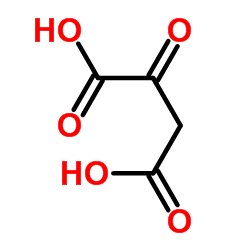
Oxaloacetic acid Structure Oxaloacetic acid
CAS:328-42-7
Phosphoenolpyruvate carboxylase Structure Phosphoenolpyruvate carboxylase
CAS:9067-77-0