Disodium carbonotrithioate
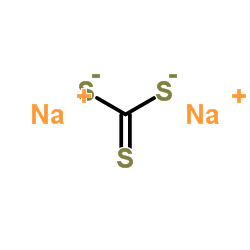
Disodium carbonotrithioate structure
|
Common Name | Disodium carbonotrithioate | ||
|---|---|---|---|---|
| CAS Number | 534-18-9 | Molecular Weight | 154.185 | |
| Density | N/A | Boiling Point | 57.8ºC at 760mmHg | |
| Molecular Formula | CNa2S3 | Melting Point | N/A | |
| MSDS | N/A | Flash Point | N/A | |
This table lists Chinese names, IUPAC names and various aliases of this chemical substance.
| Name | sodium thiocarbonate |
|---|---|
| Synonym | More Synonyms |
This table shows physicochemical parameters including melting point, boiling point, density, solubility and optical rotation. Missing data is marked as N/A.
| Boiling Point | 57.8ºC at 760mmHg |
|---|---|
| Molecular Formula | CNa2S3 |
| Molecular Weight | 154.185 |
| Exact Mass | 153.895752 |
| PSA | 82.69000 |
| LogP | 1.66630 |
| Appearance of Characters | Solution | Reddish-orange |
| InChIKey | USAIOOFEIMNEDN-UHFFFAOYSA-L |
| SMILES | S=C([S-])[S-].[Na+].[Na+] |
This table provides MSDS information including hazard classification, first‑aid, fire‑fighting, spill handling, operation and storage instructions.
Synonym:Carbonotrithioic Acid, Disodium Salt Section 2 - COMPOSITION, INFORMATION ON INGREDIENTS
Risk Phrases: 34 Section 3 - HAZARDS IDENTIFICATION EMERGENCY OVERVIEW
Causes burns.Corrosive. Potential Health Effects Eye: Causes eye burns. Skin: Causes skin burns. Ingestion: May cause severe and permanent damage to the digestive tract. Causes gastrointestinal tract burns. Inhalation: Causes chemical burns to the respiratory tract. Chronic: No information found. Section 4 - FIRST AID MEASURES Eyes: Get medical aid immediately. Do NOT allow victim to rub eyes or keep eyes closed. Extensive irrigation with water is required (at least 30 minutes). Skin: Get medical aid immediately. Immediately flush skin with plenty of water for at least 15 minutes while removing contaminated clothing and shoes. Wash clothing before reuse. Destroy contaminated shoes. Ingestion: Do not induce vomiting. If victim is conscious and alert, give 2-4 cupfuls of milk or water. Never give anything by mouth to an unconscious person. Get medical aid immediately. Inhalation: Get medical aid immediately. Remove from exposure and move to fresh air immediately. If not breathing, give artificial respiration. If breathing is difficult, give oxygen. Do NOT use mouth-to-mouth resuscitation. If breathing has ceased apply artificial respiration using oxygen and a suitable mechanical device such as a bag and a mask. Notes to Physician: Section 5 - FIRE FIGHTING MEASURES General Information: As in any fire, wear a self-contained breathing apparatus in pressure-demand, MSHA/NIOSH (approved or equivalent), and full protective gear. During a fire, irritating and highly toxic gases may be generated by thermal decomposition or combustion. Use water spray to keep fire-exposed containers cool. Vapors may be heavier than air. They can spread along the ground and collect in low or confined areas. Containers may explode when heated. Extinguishing Media: Use agent most appropriate to extinguish fire. Cool containers with flooding quantities of water until well after fire is out. Use water spray, dry chemical, carbon dioxide, or appropriate foam. Section 6 - ACCIDENTAL RELEASE MEASURES General Information: Use proper personal protective equipment as indicated in Section 8. Spills/Leaks: Absorb spill with inert material (e.g. vermiculite, sand or earth), then place in suitable container. Avoid runoff into storm sewers and ditches which lead to waterways. Clean up spills immediately, observing precautions in the Protective Equipment section. Provide ventilation. Section 7 - HANDLING and STORAGE Handling: Wash thoroughly after handling. Remove contaminated clothing and wash before reuse. Avoid contact with eyes, skin, and clothing. Keep container tightly closed. Do not ingest or inhale. Use with adequate ventilation. Discard contaminated shoes. Storage: Store in a cool, dry place. Keep container closed when not in use. Corrosives area. Section 8 - EXPOSURE CONTROLS, PERSONAL PROTECTION Engineering Controls: Facilities storing or utilizing this material should be equipped with an eyewash facility and a safety shower. Use adequate ventilation to keep airborne concentrations low. Exposure Limits CAS# 534-18-9: CAS# 7732-18-5: Personal Protective Equipment Eyes: Wear appropriate protective eyeglasses or chemical safety goggles as described by OSHA's eye and face protection regulations in 29 CFR 1910.133 or European Standard EN166. Skin: Wear appropriate protective gloves to prevent skin exposure. Clothing: Wear appropriate protective clothing to minimize contact with skin. Respirators: A respiratory protection program that meets OSHA's 29 CFR 1910.134 and ANSI Z88.2 requirements or European Standard EN 149 must be followed whenever workplace conditions warrant respirator use. Section 9 - PHYSICAL AND CHEMICAL PROPERTIES Physical State: Liquid Color: clear almost colorless Odor: Not available. pH: Not available. Vapor Pressure: Not available. Viscosity: Not available. Boiling Point: Not available. Freezing/Melting Point: Not available. Autoignition Temperature: Not available. Flash Point: Not available. Explosion Limits, lower: Not available. Explosion Limits, upper: Not available. Decomposition Temperature: Solubility in water: Specific Gravity/Density: Molecular Formula: CNa2S3 Molecular Weight: 154.19 Section 10 - STABILITY AND REACTIVITY Chemical Stability: Stable under normal temperatures and pressures. Conditions to Avoid: Incompatible materials, excess heat, strong oxidants. Incompatibilities with Other Materials: Strong acids, strong bases, strong oxidizing agents. Hazardous Decomposition Products: Oxides of sulfur, irritating and toxic fumes and gases, carbon dioxide, calcium oxide, sodium oxide. Hazardous Polymerization: Has not been reported Section 11 - TOXICOLOGICAL INFORMATION RTECS#: CAS# 534-18-9 unlisted. CAS# 7732-18-5: ZC0110000 LD50/LC50: Not available. CAS# 7732-18-5: Oral, rat: LD50 = >90 mL/kg. Carcinogenicity: Carbonotrithioic Acid, Disodium Salt - Not listed by ACGIH, IARC, or NTP. Water - Not listed by ACGIH, IARC, or NTP. Other: See actual entry in RTECS for complete information. Section 12 - ECOLOGICAL INFORMATION Section 13 - DISPOSAL CONSIDERATIONS Dispose of in a manner consistent with federal, state, and local regulations. Section 14 - TRANSPORT INFORMATION IATA Shipping Name: CORROSIVE LIQUID, N.O.S.* Hazard Class: 8 UN Number: 1760 Packing Group: III IMO Shipping Name: CORROSIVE LIQUID, N.O.S. Hazard Class: 8 UN Number: 1760 Packing Group: III RID/ADR Shipping Name: CORROSIVE LIQUID, N.O.S. Hazard Class: 8 UN Number: 1760 Packing group: III Section 15 - REGULATORY INFORMATION European/International Regulations European Labeling in Accordance with EC Directives Hazard Symbols: C Risk Phrases: R 34 Causes burns. Safety Phrases: S 25 Avoid contact with eyes. S 28 After contact with skin, wash immediately with... S 36/37/39 Wear suitable protective clothing, gloves and eye/face protection. WGK (Water Danger/Protection) CAS# 534-18-9: No information available. CAS# 7732-18-5: No information available. Canada CAS# 534-18-9 is listed on Canada's DSL List. CAS# 7732-18-5 is listed on Canada's DSL List. CAS# 534-18-9 is not listed on Canada's Ingredient Disclosure List. CAS# 7732-18-5 is not listed on Canada's Ingredient Disclosure List. US FEDERAL TSCA CAS# 534-18-9 is listed on the TSCA inventory. CAS# 7732-18-5 is listed on the TSCA inventory. SECTION 16 - ADDITIONAL INFORMATION N/A |
This table covers safety warnings, protective measures, incompatible substances and disposal guidelines for this compound.
| RIDADR | UN 3262 |
|---|---|
| Packaging Group | II |
This table lists upstream starting materials and downstream derivative products related to this chemical.
| Precursor 0 | |
|---|---|
| DownStream 10 | |
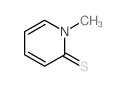 CAS#:2044-27-1
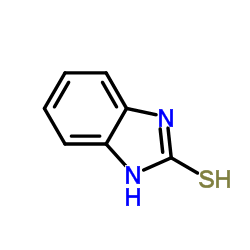 CAS#:583-39-1
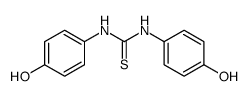 CAS#:1473-33-2
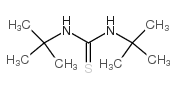 CAS#:4041-95-6
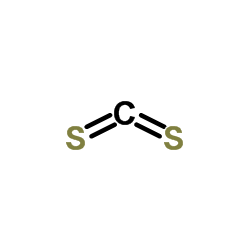 CAS#:75-15-0
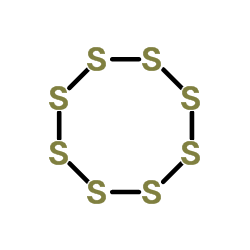 CAS#:7704-34-9
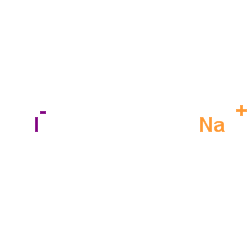 CAS#:7681-82-5
 CAS#:7783-06-4
 CAS#:497-19-8
 CAS#:102-08-9
This table contains target information, in‑vitro & in‑vivo assay data for this compound.
This table collects all English aliases, systematic names and CAS‑related synonyms of the compound.
| Carbonotrithioic acid, sodium salt (1:2) |
| Sodium thiocarbonate in water |
| Carbonotrithioic acid, disodium salt |
| Disodium carbonotrithioate |
| Carbonotrithioic acid,disodium salt |
| sodium trithiocarbonate |
| Trithiocarbonic acid disodium salt |
| Sodiumthiocarbonate |
This section contains frequently‑asked‑questions about this compound, including basic parameters, properties, storage conditions and corresponding answers.
| Q: What is the InChIKey of sodium thiocarbonate? |
| A: InChIKey of sodium thiocarbonate is USAIOOFEIMNEDN-UHFFFAOYSA-L. |
| Q: What is the polar surface area (PSA) of sodium thiocarbonate? |
| A: Polar surface area (PSA) of sodium thiocarbonate is 82.69000. |
| Q: What is the LogP of sodium thiocarbonate? |
| A: LogP of sodium thiocarbonate is 1.66630. |
| Q: What are the downstream products of sodium thiocarbonate? |
| A: Related downstream products(CAS) of sodium thiocarbonate: 2044-27-1;583-39-1;1473-33-2;4041-95-6;75-15-0;7704-34-9;7681-82-5;7783-06-4;497-19-8;102-08-9. |
| Q: What English synonyms does sodium thiocarbonate have? |
| A: English synonyms of sodium thiocarbonate: Carbonotrithioic acid, sodium salt (1:2), Sodium thiocarbonate in water, Carbonotrithioic acid, disodium salt, Disodium carbonotrithioate, Carbonotrithioic acid,disodium salt, sodium trithiocarbonate, Trithiocarbonic acid disodium salt, Sodiumthiocarbonate. |
| Q: What is the CAS number of sodium thiocarbonate? |
| A: CAS number of sodium thiocarbonate is 534-18-9. |
| Q: What is the boiling point of sodium thiocarbonate? |
| A: Boiling point of sodium thiocarbonate is 57.8ºC at 760mmHg. |
| Q: What is the molecular weight of sodium thiocarbonate? |
| A: Molecular weight of sodium thiocarbonate is 154.185. |
| Q: What is the English name of sodium thiocarbonate? |
| A: The English name of sodium thiocarbonate is sodium thiocarbonate. |
| Q: What is the SMILES notation of sodium thiocarbonate? |
| A: SMILES notation of sodium thiocarbonate is S=C([S-])[S-].[Na+].[Na+]. |
This table lists manufacturers and suppliers of this compound, including vendor names and product supply reference information.
| Dayang Chem (Hangzhou) Co., Ltd. |
| Henan Tianfu Chemical Co., Ltd. |