Tanshinone IIA
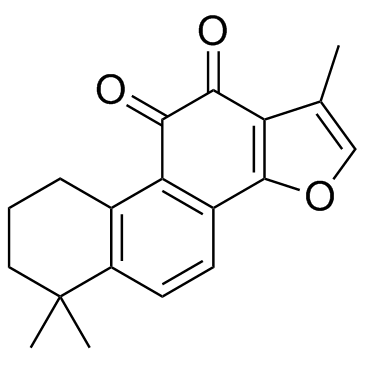
Tanshinone IIA structure
|
Common Name | Tanshinone IIA | ||
|---|---|---|---|---|
| CAS Number | 568-72-9 | Molecular Weight | 294.344 | |
| Density | 1.2±0.1 g/cm3 | Boiling Point | 480.7±44.0 °C at 760 mmHg | |
| Molecular Formula | C19H18O3 | Melting Point | 205-207ºC | |
| MSDS | Chinese USA | Flash Point | 236.4±21.1 °C | |
Use of Tanshinone IIATanshinone IIA (Tan IIA) is one of the main fat-soluble compositions in the root of red-rooted salvia. Tanshinone IIA may suppress angiogenesis by targeting the protein kinase domains of VEGF/VEGFR2. |
This table lists Chinese names, IUPAC names and various aliases of this chemical substance.
| Name | Tanshinone IIA |
|---|---|
| Synonym | More Synonyms |
This table contains bioactivity, target information and biological‑assay experimental data of this compound.
| Description | Tanshinone IIA (Tan IIA) is one of the main fat-soluble compositions in the root of red-rooted salvia. Tanshinone IIA may suppress angiogenesis by targeting the protein kinase domains of VEGF/VEGFR2. |
|---|---|
| Related Catalog | |
| Target |
VEGF/VEGFR2[1] |
| In Vitro | The anti-tumor effect of Tanshinone IIA includes inhibiting tumor cell proliferation, disturbing tumor cell cycle, promoting tumor cell apoptosis, and inhibiting tumor cell invasion and transfer. Tanshinone IIA has anti-proliferative effects on A549 cells: the IC50 of Tanshinone IIA after 24, 48 and 72 h are 145.3, 30.95 and 11.49 μM, respectively. The CCK-8 assay is used to evaluate the proliferative activity of A549 cells treated with Tanshinone IIA (2.5-80 μM) for 24, 48 and 72 h, respectively. The CCK-8 results show that Tanshinone IIA can significantly inhibit A549 cell proliferation in a dose- and time-dependent manner. Obvious apoptosis and cell growth inhibition of A549 cells are observed after drug treatment for 48 h (concentrations used are approximately IC50 values: Tanshinone IIA 31 μM on A549). Western blotting finds that 48 h exposures to Tanshinone IIA (31 μM) in A549 cells, downregulates expression of VEGF and VEGFR2 protein in both drug treatment groups vs. vehicle[1]. Tanshinone IIA, one of the most abundant constituents of the root of Salvia miltiorrhiza, protects rat myocardium-derived H9C2 cells against apoptosis. Treatment of H9C2 cells with Tanshinone IIA inhibits angiotensin II-induced apoptosis by downregulating the expression of PTEN (phosphatase and tensin homolog), a tumor suppressor that plays a critical role in apoptosis. Tanshinone IIA inhibits angiotensin II (AngII)-induced apoptosis by downregulating the expression of phosphatase and tensin homolog (PTEN)[2]. Tanshinone IIA decreases the protein expression of EGFR, and IGFR blocking the PI3K/Akt/mTOR pathway in gastric carcinoma AGS cells[3]. |
| Cell Assay | A549 cells are counted in logarithmic phase and 6000 cells (90 μL volume) are placed in 96-well plates. 10 μL varying concentrations of Tanshinone IIA (final concentrations 80, 60, 40, 30, 20, 15, 10, 5 and 2.5 μM) and ADM (final concentrations 8, 4, 2, 1, 0.5 and 0.25 μM) are added into drug groups, while negative control group (vehicle group) is only added 10 μL DMSO or normal saline without Tanshinone IIA or ADM. Cells are incubated for an additional 2 h with CCK-8 reagent (100 μL/mL medium) and the absorbance is read at 450 nm using a microplate reader. Cell proliferation inhibition rates are calculated according to the following formula: the proliferation inhibition ratio (%)=1-[(A1-A4)/(A2-A3)]×100, where, A1 is the OD value of drug experimental group, A2 is the OD value of blank control group, A3 is the OD value of the RPMI1640 medium without cells, and A4 is the OD value of drugs with the same concentration as A1 but without cells. The IC50 value, which represents the concentration of the drug that demonstrates 50% of cell growth inhibition, is calculated by nonlinear regression analysis using GraphPad Prism software[1]. |
| References |
This table shows physicochemical parameters including melting point, boiling point, density, solubility and optical rotation. Missing data is marked as N/A.
| Density | 1.2±0.1 g/cm3 |
|---|---|
| Boiling Point | 480.7±44.0 °C at 760 mmHg |
| Melting Point | 205-207ºC |
| Molecular Formula | C19H18O3 |
| Molecular Weight | 294.344 |
| Flash Point | 236.4±21.1 °C |
| Exact Mass | 294.125580 |
| PSA | 47.28000 |
| LogP | 5.47 |
| Vapour Pressure | 0.0±1.2 mmHg at 25°C |
| Index of Refraction | 1.588 |
| InChIKey | HYXITZLLTYIPOF-UHFFFAOYSA-N |
| SMILES | Cc1coc2c1C(=O)C(=O)c1c-2ccc2c1CCCC2(C)C |
| Storage condition | 2-8°C |
This table provides MSDS information including hazard classification, first‑aid, fire‑fighting, spill handling, operation and storage instructions.
This table covers safety warnings, protective measures, incompatible substances and disposal guidelines for this compound.
| Personal Protective Equipment | Eyeshields;Gloves;type N95 (US);type P1 (EN143) respirator filter |
|---|---|
| RIDADR | NONH for all modes of transport |
This table presents publicly reported synthetic routes, reaction conditions, reactants and product information of the compound.
This table lists upstream starting materials and downstream derivative products related to this chemical.
| Precursor 8 | |
|---|---|
| DownStream 0 | |
 CAS#:35825-57-1
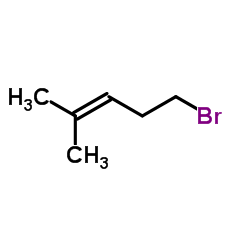 CAS#:2270-59-9
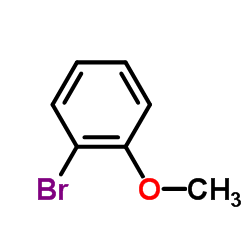 CAS#:578-57-4
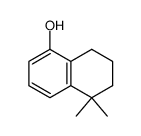 CAS#:171979-69-4
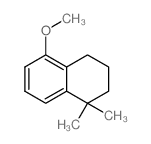 CAS#:33214-70-9
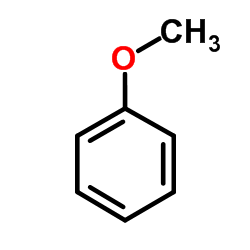 CAS#:100-66-3
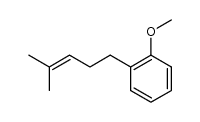 CAS#:171979-70-7
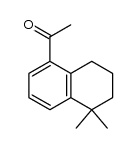 CAS#:171979-68-3
This table lists relevant public references with title, journal and publication metadata for this compound.
|
The CO donor CORM-2 inhibits LPS-induced vascular cell adhesion molecule-1 expression and leukocyte adhesion in human rheumatoid synovial fibroblasts.
Br. J. Pharmacol. 171(12) , 2993-3009, (2014) Infection with Gram-negative bacteria has been recognized as an initiator of rheumatoid arthritis, which is characterized by chronic inflammation and infiltration of immune cells. Carbon monoxide (CO)... |
|
|
Modulation of esterified drug metabolism by tanshinones from Salvia miltiorrhiza ("Danshen").
J. Nat. Prod. 76(1) , 36-44, (2013) The roots of Salvia miltiorrhiza ("Danshen") are used in traditional Chinese medicine for the treatment of numerous ailments including cardiovascular disease, hypertension, and ischemic stroke. Extrac... |
|
|
Surfactant-coated graphitized multiwalled carbon nanotubes as the pseudostationary phase in electrokinetic chromatography for the analysis of phytochemical compounds in biological fluids.
Electrophoresis 36(7-8) , 1055-63, (2015) This report describes the use of surfactant-coated graphitized multiwalled carbon nanotubes (SC-GMWNTs) as a novel pseudostationary phase in CE with diode array detection for the determination of phen... |
This table contains target information, in‑vitro & in‑vivo assay data for this compound.
|
Name: Inhibition of human recombinant telomerase activity in rabbit reticulocytes pre-incub...
Source: ChEMBL
Target: Telomerase reverse transcriptase
External Id: CHEMBL2160442
|
|
Name: Primary qHTS assay for inhibitors of alpha-synuclein gene (SNCA) expression
Source: NCGC
External Id: SNCA-p-activity-luciferase
|
|
Name: Fluorescence-based cell-based primary high throughput screening assay to identify ago...
Source: The Scripps Research Institute Molecular Screening Center
Target: muscarinic acetylcholine receptor M1 [Homo sapiens]
External Id: CHRM1_AG_FLUO8_1536_1X%ACT PRUN
|
|
Name: Induction of ROS generation assessed as hydrogen peroxide production in PBS buffer at...
Source: ChEMBL
Target: N/A
External Id: CHEMBL2160440
|
|
Name: Inhibition of pre-assembled human recombinant telomerase activity in rabbit reticuloc...
Source: ChEMBL
Target: Telomerase reverse transcriptase
External Id: CHEMBL2160441
|
|
Name: Induction of ROS generation assessed as hydrogen peroxide production in PBS buffer at...
Source: ChEMBL
Target: N/A
External Id: CHEMBL2160438
|
|
Name: Induction of ROS generation assessed as hydrogen peroxide production in PBS buffer at...
Source: ChEMBL
Target: N/A
External Id: CHEMBL2160439
|
|
Name: Quantitative High-Throughput drug screen in 47 multiple myeloma cell lines against th...
Source: NCGC
Target: N/A
External Id: s-my-keats_OPM1-m4-1
|
|
Name: Quantitative High-Throughput drug screen in 47 multiple myeloma cell lines against th...
Source: NCGC
Target: N/A
External Id: s-my-OC1MY5-m4-1
|
|
Name: Increase the activity of the Burkholderia fixLJ 2-component system
Source: ICCB-Longwood/NSRB Screening Facility, Harvard Medical School
Target: Burkholderia multivorans
External Id: HMS1625
|
This table collects all English aliases, systematic names and CAS‑related synonyms of the compound.
| Tanshinone IIA |
| tanshinone II-A |
| Dan Shen Ketone |
| Tanshionesiia |
| Tanshine II |
| TANSHION P.E |
| 1,6,6-Trimethyl-6,7,8,9-tetrahydrophenanthro[1,2-b]furan-10,11-dione |
| SweetOrange |
| MFCD00238692 |
| QS-D-77-4-2 |
| TANSHINONE A |
| tanshiones |
| Tanshinone II |
| TANSHINONES IIA |
This section contains frequently‑asked‑questions about this compound, including basic parameters, properties, storage conditions and corresponding answers.
| Q: What is the LogP of Tanshinone IIA? |
| A: LogP of Tanshinone IIA is 5.47. |
| Q: What English synonyms does Tanshinone IIA have? |
| A: English synonyms of Tanshinone IIA: Tanshinone IIA, tanshinone II-A, Dan Shen Ketone, Tanshionesiia, Tanshine II, TANSHION P.E, 1,6,6-Trimethyl-6,7,8,9-tetrahydrophenanthro[1,2-b]furan-10,11-dione, SweetOrange, MFCD00238692, QS-D-77-4-2, TANSHINONE A, tanshiones, Tanshinone II, TANSHINONES IIA. |
| Q: What is the CAS number of Tanshinone IIA? |
| A: CAS number of Tanshinone IIA is 568-72-9. |
| Q: What are the uses of Tanshinone IIA? |
| A: Main uses of Tanshinone IIA: Tanshinone IIA (Tan IIA) is one of the main fat-soluble compositions in the root of red-rooted salvia. Tanshinone IIA may suppress angiogenesis by targeting the protein kinase domains of VEGF/VEGFR2. |
| Q: What is the SMILES notation of Tanshinone IIA? |
| A: SMILES notation of Tanshinone IIA is Cc1coc2c1C(=O)C(=O)c1c-2ccc2c1CCCC2(C)C. |
| Q: What is the molecular weight of Tanshinone IIA? |
| A: Molecular weight of Tanshinone IIA is 294.344. |
| Q: What are the upstream materials of Tanshinone IIA? |
| A: Related upstream materials(CAS) of Tanshinone IIA: 35825-57-1;2270-59-9;578-57-4;171979-69-4;33214-70-9;100-66-3;171979-70-7;171979-68-3. |
| Q: What is the English name of Tanshinone IIA? |
| A: The English name of Tanshinone IIA is Tanshinone IIA. |
| Q: What is the polar surface area (PSA) of Tanshinone IIA? |
| A: Polar surface area (PSA) of Tanshinone IIA is 47.28000. |
| Q: What is the InChIKey of Tanshinone IIA? |
| A: InChIKey of Tanshinone IIA is HYXITZLLTYIPOF-UHFFFAOYSA-N. |
This table lists manufacturers and suppliers of this compound, including vendor names and product supply reference information.
| Shanghai Nianxing Industrial Co., Ltd |
| BioBioPha |
| Dayang Chem (Hangzhou) Co., Ltd. |
| naturewill |
| Henan Tianfu Chemical Co., Ltd. |