emylcamate
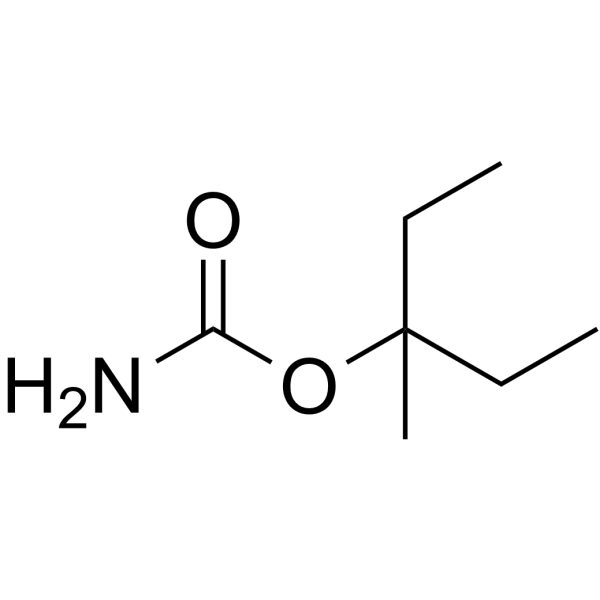
emylcamate structure
|
Common Name | emylcamate | ||
|---|---|---|---|---|
| CAS Number | 78-28-4 | Molecular Weight | 145.19900 | |
| Density | 0.959g/cm3 | Boiling Point | 233.3ºC at 760 mmHg | |
| Molecular Formula | C7H15NO2 | Melting Point | 56-58.5° | |
| MSDS | N/A | Flash Point | 92.7ºC | |
Use of emylcamateEmylcamate is a potent muscle relaxant. Emylcamate has the potential for the research of neurological diseases[1]. |
This table lists Chinese names, IUPAC names and various aliases of this chemical substance.
| Name | 3-methylpentan-3-yl carbamate |
|---|---|
| Synonym | More Synonyms |
This table contains bioactivity, target information and biological‑assay experimental data of this compound.
| Description | Emylcamate is a potent muscle relaxant. Emylcamate has the potential for the research of neurological diseases[1]. |
|---|---|
| Related Catalog | |
| References |
[1]. B. Melander. Emylcamate, A Potent Tranquillizing Relaxant |
This table shows physicochemical parameters including melting point, boiling point, density, solubility and optical rotation. Missing data is marked as N/A.
| Density | 0.959g/cm3 |
|---|---|
| Boiling Point | 233.3ºC at 760 mmHg |
| Melting Point | 56-58.5° |
| Molecular Formula | C7H15NO2 |
| Molecular Weight | 145.19900 |
| Flash Point | 92.7ºC |
| Exact Mass | 145.11000 |
| PSA | 52.32000 |
| LogP | 2.36070 |
| Index of Refraction | 1.438 |
| InChIKey | SLWGJZPKHAXZQL-UHFFFAOYSA-N |
| SMILES | CCC(C)(CC)OC(N)=O |
This table summarizes toxicological test data, acute & chronic toxicity and ecological hazard parameters for this chemical.
CHEMICAL IDENTIFICATION
HEALTH HAZARD DATAACUTE TOXICITY DATA
|
This table presents publicly reported synthetic routes, reaction conditions, reactants and product information of the compound.
|
~%
emylcamate CAS#:78-28-4 |
| Literature: Loev,B.; Kormendy,M.F. Journal of Organic Chemistry, 1963 , vol. 28, p. 3421 - 3426 |
|
~%
emylcamate CAS#:78-28-4 |
| Literature: Chininfabr.Zimmer and Co. Patent: DE245491 ; Fortschr. Teerfarbenfabr. Verw. Industriezweige, vol. 10, p. 1168 |
|
~%
emylcamate CAS#:78-28-4 |
| Literature: Melander Journal of Medicinal and Pharmaceutical Chemistry, 1959 , vol. 1, p. 443,444 |
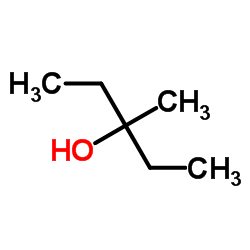
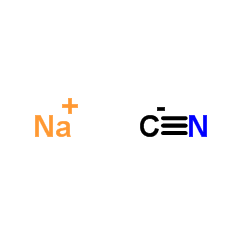

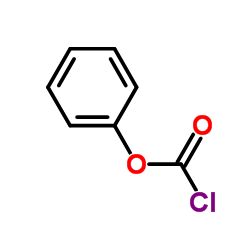
This table lists upstream starting materials and downstream derivative products related to this chemical.
| Precursor 4 | |
|---|---|
| DownStream 0 | |
This table collects all English aliases, systematic names and CAS‑related synonyms of the compound.
| 1-ethyl-1-methylpropyl carbamate |
| Carbamidsaeure-<1-methyl-1-aethyl-propylester> |
| Stratran |
| Emilcamato |
| Emylcamat |
| Statran |
| 3-Carbamoyloxy-3-methyl-pentan |
| Restetal |
| Striatran |
| Emylcamate |
| Striatan |
| Nuncital |
| Psicoplegil |
This section contains frequently‑asked‑questions about this compound, including basic parameters, properties, storage conditions and corresponding answers.
| Q: What is the boiling point of 3-methylpentan-3-yl carbamate? |
| A: Boiling point of 3-methylpentan-3-yl carbamate is 233.3ºC at 760 mmHg. |
| Q: What is the molecular weight of 3-methylpentan-3-yl carbamate? |
| A: Molecular weight of 3-methylpentan-3-yl carbamate is 145.19900. |
| Q: What is the English name of 3-methylpentan-3-yl carbamate? |
| A: The English name of 3-methylpentan-3-yl carbamate is 3-methylpentan-3-yl carbamate. |
| Q: What English synonyms does 3-methylpentan-3-yl carbamate have? |
| A: English synonyms of 3-methylpentan-3-yl carbamate: 1-ethyl-1-methylpropyl carbamate, Carbamidsaeure-, Stratran, Emilcamato, Emylcamat, Statran, 3-Carbamoyloxy-3-methyl-pentan, Restetal, Striatran, Emylcamate, Striatan, Nuncital, Psicoplegil. |
| Q: What is the CAS number of 3-methylpentan-3-yl carbamate? |
| A: CAS number of 3-methylpentan-3-yl carbamate is 78-28-4. |
| Q: What is the molecular formula of 3-methylpentan-3-yl carbamate? |
| A: Molecular formula of 3-methylpentan-3-yl carbamate is C7H15NO2. |
| Q: What is the SMILES notation of 3-methylpentan-3-yl carbamate? |
| A: SMILES notation of 3-methylpentan-3-yl carbamate is CCC(C)(CC)OC(N)=O. |
| Q: What is the polar surface area (PSA) of 3-methylpentan-3-yl carbamate? |
| A: Polar surface area (PSA) of 3-methylpentan-3-yl carbamate is 52.32000. |
| Q: What is the LogP of 3-methylpentan-3-yl carbamate? |
| A: LogP of 3-methylpentan-3-yl carbamate is 2.36070. |
| Q: What is the melting point of 3-methylpentan-3-yl carbamate? |
| A: Melting point of 3-methylpentan-3-yl carbamate is 56-58.5°. |
This table lists manufacturers and suppliers of this compound, including vendor names and product supply reference information.
| Shanghai Nianxing Industrial Co., Ltd |
| Dayang Chem (Hangzhou) Co., Ltd. |