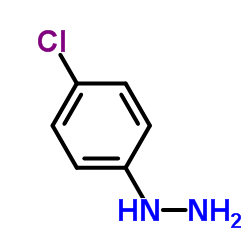
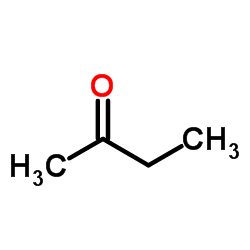
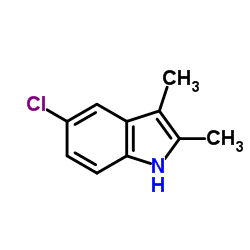
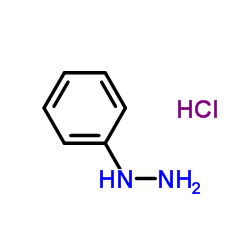
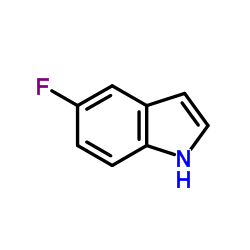
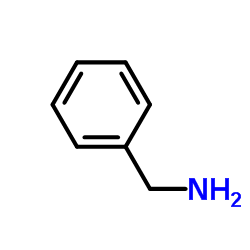
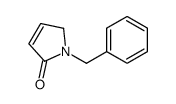
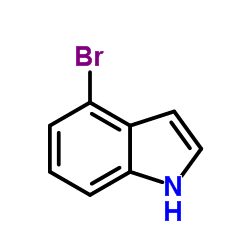
Chiral indole motifs are privileged heterocyclic structures in drug discovery and widely exist in synthetic bioactive compounds and natural products.[1] Therefore, intense effort has been devoted to the direct enantioselective functionalization of indole cores for the synthesis of optically active indole derivatives.[2] While many asymmetric alkylation methods exist for the functionalization of indoles at the C3 or C2 atom,[3] the asymmetric functionalization of ...