Journal of Agricultural and Food Chemistry 2004-08-25
Supplementation with grape seed polyphenols results in increased urinary excretion of 3-hydroxyphenylpropionic Acid, an important metabolite of proanthocyanidins in humans.
Natalie C Ward, Kevin D Croft, Ian B Puddey, Jonathan M Hodgson
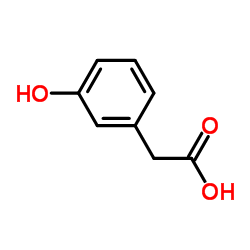
Grape seed extract provides a concentrated source of polyphenols, most of which are proanthocyanidins. Polymeric proanthocyanidins are poorly absorbed in the small intestine of humans, and exposure may result from metabolism to phenolic acids by colonic bacteria. Any biological effects of proanthocyanidins may be due to the phenolic acid metabolites. Several phenolic acids have been identified as proanthocyanidin metabolites, but these may be derived from a range of other dietary sources. The aim of this study was to determine if 24-h urinary excretion of specific phenolic acids increased significantly and consistently following regular supplementation with grape seed extract. In a randomized, double-blind placebo-controlled trial, 69 volunteers received grape seed extract (1000 mg/day total polyphenols) or placebo for 6 weeks. Supplementation with grape seed polyphenols resulted in a consistent increase in the excretion of 3-hydroxyphenylpropionic acid (3-HPP, P < 0.001) and 4-O-methylgallic acid (P < 0.001) and a less consistent increase in the excretion of 3-hydroxyphenylacetic acid (P = 0.002). The observed increase in 3-HPP is in line with the suggestion that this compound is a major phenolic acid breakdown product of proanthocyanidin metabolism in vivo.