前往化源商城

Journal of Ocular Pharmacology and Therapeutics 2003-12-01

Glucose-deprivation-induced [3H]D-aspartate release from isolated bovine and human retinae.

Sunny E Ohia, S Olubusayo Awe, Catherine A Opere, Angela M LeDay, Lydia C Harris, Kaustubh Kulkarni, Najam A Sharif

文献索引:J. Ocul. Pharmacol. Ther. 19(6) , 599-609, (2003)

全文:HTML全文

摘要

The glucose deprivation-induced release of [3H]D-aspartate was studied in bovine and human retinas in a superfusion apparatus. [3H]D-aspartate release was significantly increased upon omitting glucose in the superfusion buffer. This effect was dependent on external Ca2+ because L- and N-type Ca2+-channel blockers, such as diltiazem (1 microM), nitrendipine (1 microM), and omega-conotoxin (100 nM), significantly reduced the effect of glucose-deprivation induced release of [3H]D-aspartate. Furthermore, while glutamate receptor agonists (L-glutamate, N-methyl-D-aspartate, but not kainate) potentiated the effects of glucose deprivation, antagonists (MK-801, MCPG, ifenprodil, and L-AP3) at these receptors blocked the glucose deprivation-induced release process. Taken together, these studies have demonstrated that under conditions of glucose deprivation, as may happen during ischemic events in vivo, the retinal glutamatergic nerve endings and/or glial cells promote the efflux of [3H]D-aspartate into the extracellular environment. This process appears to be receptor-mediated and dependent on extracellular Ca2+ and is similar to previous reports pertaining to brain tissues.

相关化合物

结构式 名称/CAS号 全部文献
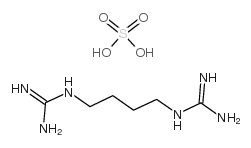
硫酸魁蛤素 结构式 硫酸魁蛤素
CAS:14923-17-2
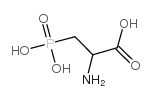
DL-2-氨基-3-膦酸丙酸(AP3) 结构式 DL-2-氨基-3-膦酸丙酸(AP3)
CAS:20263-06-3