Norcantharidin induces melanoma cell apoptosis through activation of TR3 dependent pathway.
Shujing Liu, Hong Yu, Suresh M Kumar, James S Martin, Zhanyong Bing, Weiqi Sheng, Marcus Bosenberg, Xiaowei Xu
文献索引:Cancer Biol. Ther. 12(11) , 1005-14, (2011)
全文:HTML全文
摘要
Norcantharidin (NCTD) has been reported to induce tumor cell apoptosis. However, the underlying mechanism behinds its antitumor effect remains elusive. We have previously shown that TR3 expression is significantly decreased in metastatic melanomas and involved in melanoma cell apoptosis. In this study, we showed that NCTD inhibited melanoma cell proliferation and induced apoptosis in a dose related manner. NCTD induced translocation of TR3 from nucleus to mitochondria where it co-localized with Bcl-2 in melanoma cells. NCTD also increased cytochome c release from mitochondria to the cytoplasm. These changes were accompanied by increased expression of Bax and cleaved caspase-3 along with decreased expression of Bcl2 and NF-κB2. The effects of NCTD were inhibited by knockdown of TR3 expression using TR3 specific shRNA in melanoma cells. Furthermore, NCTD significantly decreased tumor volume and improved survival of Tyr::CreER; BRAF(Ca/+); Pten(lox/lox) transgenic mice. Our data indicates that NCTD inhibits melanoma growth by inducing tumor cell apoptosis via activation of a TR3 dependent pathway. These results suggest that NCTD is a potential therapeutic agent for melanoma.
相关化合物
| 结构式 | 名称/CAS号 | 分子式 | 全部文献 |
|---|---|---|---|
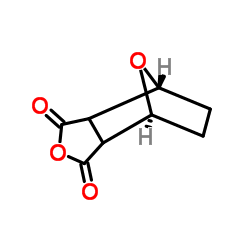 |
去甲斑蝥素
CAS:29745-04-8 |
C8H8O4 |
|
Two triterpenoid glycosides from the roots of Camellia oleif...
2015-01-01 [J. Asian Nat. Prod. Res. 17 , 800-7, (2015)] |
|
Cantharidin represses invasion of pancreatic cancer cells th...
2015-01-01 [Sci. Rep. 5 , 11836, (2015)] |
|
A novel cantharidin analogN-Benzylcantharidinamide reduces t...
2014-05-02 [Biochem. Biophys. Res. Commun. 447(2) , 371-7, (2014)] |
|
Norcantharidin combined with EGFR-TKIs overcomes HGF-induced...
2015-08-01 [Cancer Chemother. Pharmacol. 76 , 307-15, (2015)] |
|
Norcantharidin enhances TIMP‑2 anti‑vasculogenic mimicry act...
2015-02-01 [Int. J. Oncol. 46(2) , 627-40, (2014)] |