Nature Communications 2015-01-01

Metabolic and metagenomic outcomes from early-life pulsed antibiotic treatment.

Yael R Nobel, Laura M Cox, Francis F Kirigin, Nicholas A Bokulich, Shingo Yamanishi, Isabel Teitler, Jennifer Chung, Jiho Sohn, Cecily M Barber, David S Goldfarb, Kartik Raju, Sahar Abubucker, Yanjiao Zhou, Victoria E Ruiz, Huilin Li, Makedonka Mitreva, Alexander V Alekseyenko, George M Weinstock, Erica Sodergren, Martin J Blaser

Index: Nat. Commun. 6 , 7486, (2015)

Full Text: HTML

Abstract

Mammalian species have co-evolved with intestinal microbial communities that can shape development and adapt to environmental changes, including antibiotic perturbation or nutrient flux. In humans, especially children, microbiota disruption is common, yet the dynamic microbiome recovery from early-life antibiotics is still uncharacterized. Here we use a mouse model mimicking paediatric antibiotic use and find that therapeutic-dose pulsed antibiotic treatment (PAT) with a beta-lactam or macrolide alters both host and microbiota development. Early-life PAT accelerates total mass and bone growth, and causes progressive changes in gut microbiome diversity, population structure and metagenomic content, with microbiome effects dependent on the number of courses and class of antibiotic. Whereas control microbiota rapidly adapts to a change in diet, PAT slows the ecological progression, with delays lasting several months with previous macrolide exposure. This study identifies key markers of disturbance and recovery, which may help provide therapeutic targets for microbiota restoration following antibiotic treatment.

Related Compounds

Structure Name/CAS No. Articles
AEBSF HCl Structure AEBSF HCl
CAS:30827-99-7
DL-Glyceraldehyde 3-phosphate Structure DL-Glyceraldehyde 3-phosphate
CAS:591-59-3
Patulin Structure Patulin
CAS:149-29-1
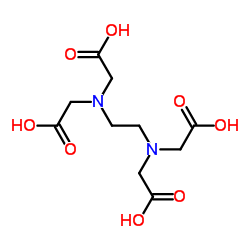
Ethylenediaminetetraacetic acid Structure Ethylenediaminetetraacetic acid
CAS:60-00-4
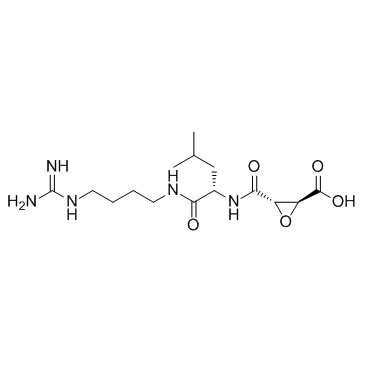
E-64 Structure E-64
CAS:66701-25-5