Molecular Medicine Reports 2015-11-01

Azorella compacta methanolic extract induces apoptosis via activation of mitogen-activated protein kinase.

Min Hee Sung, Ok-Kyoung Kwon, Sei-Ryang Oh, Joongku Lee, Sang-Hong Park, Sang Bae Han, Kyung-Seop Ahn

Index: Mol. Med. Report. 12 , 6821-8, (2015)

Full Text: HTML

Abstract

Azorella compacta Phil. (AC) is an alpine medicinal plant used traditionally for antibacterial treatment. Recent studies have revealed that this plant also has anti‑diabetic effects, but that it is toxic. The present study investigated the underlying mechanisms of action of AC extract against human leukemia HL60 cells. Apoptosis induction was measured by MTT assay, fluorescence microscopy, DNA fragmentation assay, flow cytometric analysis, reverse transcription quantitative polymerase chain reaction and western blot analyses. It was found that AC extract inhibited the growth of HL60 and other cancer cell lines in a dose‑dependent manner. The cytotoxic effects of AC extract on HL60 cells were associated with apoptosis characterized by DNA fragmentation and dose‑dependent increases in Annexin V‑positive cells, as determined by flow cytometric analysis. AC‑extract‑induced apoptosis was accompanied by activated/cleaved caspase‑3, caspase‑9 and poly(adenosine diphosphate‑ribose) polymerase (PARP). The increases in apoptosis were also associated with decreases of the apoptosis-inhibitor B-cell lymphoma 2 (Bcl‑2), upregulation of pro‑apoptotic Bcl-2-associated X (Bax) protein and downregulation of anti‑apoptotic Bcl extra large protein. Furthermore, western blot analysis of mitogen-activated protein kinase (MAPK)-associated proteins indicated that treatment with AC extract increased the levels of c-Jun N-terminal kinase, extracellular signal-regulated kinase and p38. In addition, the expression of Bax and cleaved PARP was blocked when AC treatment was performed in the presence of MAPK inhibitors. It was therefore concluded that AC induced apoptosis in human leukemia HL60 cells via an intrinsic pathway controlled through MAPK-associated signaling.

Related Compounds

Structure Name/CAS No. Articles
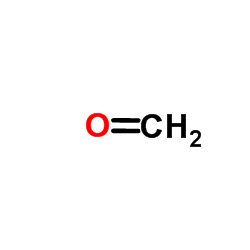
Formaldehyde Structure Formaldehyde
CAS:50-00-0
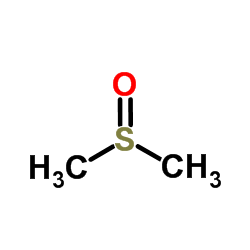
Dimethyl sulfoxide Structure Dimethyl sulfoxide
CAS:67-68-5
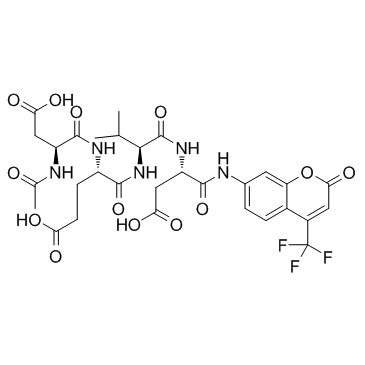
Ac-Asp-Glu-Val-Asp-AFC Structure Ac-Asp-Glu-Val-Asp-AFC
CAS:201608-14-2
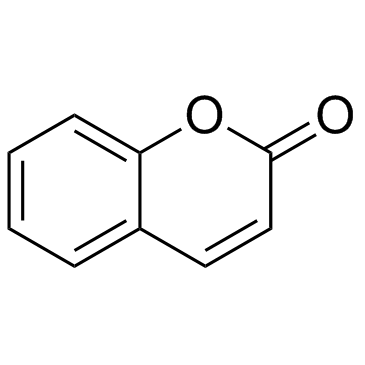
Coumarin Structure Coumarin
CAS:91-64-5
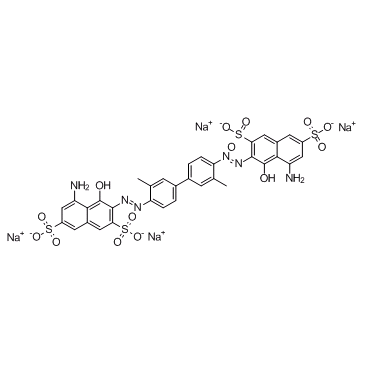
Direct Blue 14 Structure Direct Blue 14
CAS:72-57-1
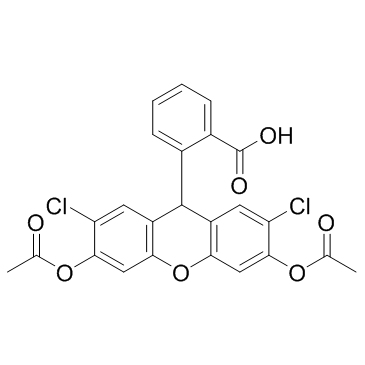
H2DCFDA Structure H2DCFDA
CAS:4091-99-0
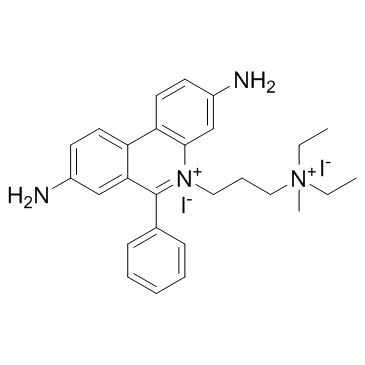
Propidium Iodide Structure Propidium Iodide
CAS:25535-16-4
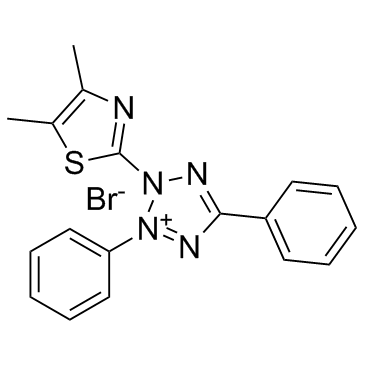
Thiazolyl Blue Structure Thiazolyl Blue
CAS:298-93-1
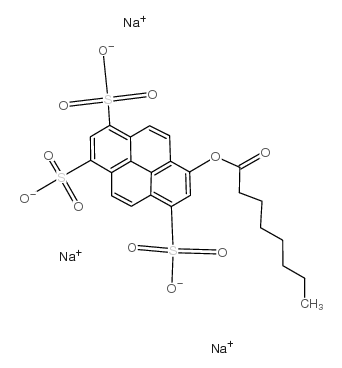
8-Octanoyloxypyrene-1,3,6-trisulfonic acid trisodium salt Structure 8-Octanoyloxypyrene-1,3,6-trisulfonic acid trisodium salt
CAS:115787-84-3