Journal of Cell Science 2015-08-15

A local VE-cadherin and Trio-based signaling complex stabilizes endothelial junctions through Rac1.

Ilse Timmerman, Niels Heemskerk, Jeffrey Kroon, Antje Schaefer, Jos van Rijssel, Mark Hoogenboezem, Jakobus van Unen, Joachim Goedhart, Theodorus W J Gadella, Taofei Yin, Yi Wu, Stephan Huveneers, Jaap D van Buul

Index: J. Cell Sci. 128 , 3041-54, (2015)

Full Text: HTML

Abstract

Endothelial cell-cell junctions maintain a restrictive barrier that is tightly regulated to allow dynamic responses to permeability-inducing angiogenic factors, as well as to inflammatory agents and adherent leukocytes. The ability of these stimuli to transiently remodel adherens junctions depends on Rho-GTPase-controlled cytoskeletal rearrangements. How the activity of Rho-GTPases is spatio-temporally controlled at endothelial adherens junctions by guanine-nucleotide exchange factors (GEFs) is incompletely understood. Here, we identify a crucial role for the Rho-GEF Trio in stabilizing junctions based around vascular endothelial (VE)-cadherin (also known as CDH5). Trio interacts with VE-cadherin and locally activates Rac1 at adherens junctions during the formation of nascent contacts, as assessed using a novel FRET-based Rac1 biosensor and biochemical assays. The Rac-GEF domain of Trio is responsible for the remodeling of junctional actin from radial into cortical actin bundles, a crucial step for junction stabilization. This promotes the formation of linear adherens junctions and increases endothelial monolayer resistance. Collectively, our data show the importance of spatio-temporal regulation of the actin cytoskeleton through Trio and Rac1 at VE-cadherin-based cell-cell junctions in the maintenance of the endothelial barrier. © 2015. Published by The Company of Biologists Ltd.

Related Compounds

Structure Name/CAS No. Articles
ITX 3 Structure ITX 3
CAS:347323-96-0
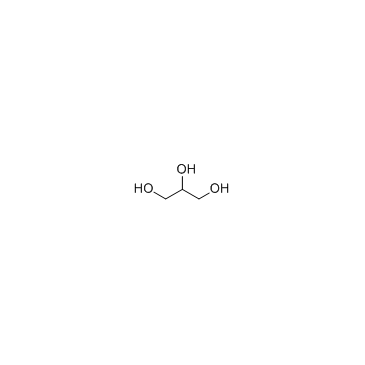
Glycerol Structure Glycerol
CAS:56-81-5
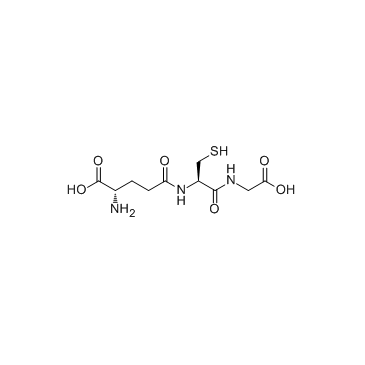
Glutathione Structure Glutathione
CAS:70-18-8