- Shanghai Nianxing Industrial Co., Ltd
- China
- Product Name: Palmitic acid
- Price: Check
- Purity: 98.0%
- Stocking Period: 10 Day
- Contact: Yang
- Email: sales@echemcloud.com
- Dayang Chem (Hangzhou) Co., Ltd.
- China
- Product Name: Diisopropyl adipate
- Price: $Inquiry/100g $Inquiry/1kg $Inquiry/100kg $Inquiry/1000kg
- Purity: 98.0%
- Stocking Period: Inquiry
- Contact: Ms Wang
- Email: enquiry@dycnchem.com
- Henan Tianfu Chemical Co., Ltd.
- China
- Product Name: Diisopropyl adipate
- Price: $Inquiry/1kg $Inquiry/25kg $Inquiry/1000kg $Inquiry/10ton
- Purity: 99.0%
- Stocking Period: Inquiry
- Contact: Anson
- Email: info@tianfuchem.com
- Zhongshan Xingrui Chemical Co. , Ltd.
- China
- Product Name: Isopropyl adipate
- Price: ¥Inquiry/25kg
- Purity: 99.0%
- Stocking Period: Inquiry
- Contact: Wang Jie

- Email: 3096638339@qq.com
6938-94-9
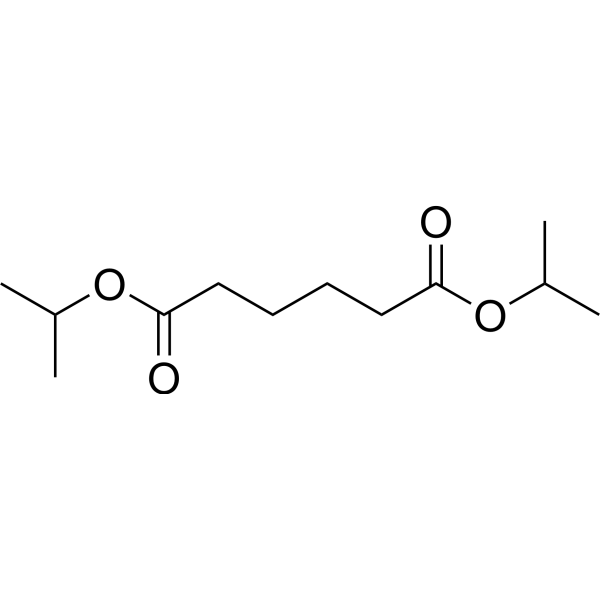
6938-94-9 structure
- Name: Isopropyl adipate
- Chemical Name: Adipic Acid Diisopropyl Ester
- CAS Number: 6938-94-9
- Molecular Formula: C12H22O4
- Molecular Weight: 230.30
- Catalog: Catalysts and additives Plastic rubber additive
- Create Date: 2018-04-20 08:00:00
- Modify Date: 2026-07-07 11:53:01
-
Diisopropyl adipate is an alternative plasticizer and a TRPA1 activator. Diisopropyl adipate activates TRPA1 and enhances FITC-induced contact hypersensitivity (CHS).Diisopropyl adipate also serves as an ingredient in cosmetics and drug formulations topically applied to the skin. Diisopropyl adipate can be used as an excipient, such as emollients, plasticizers. Pharmaceutical excipients, or pharmaceutical auxiliaries, refer to other chemical substances used in the pharmaceutical process other than pharmaceutical ingredients. Pharmaceutical excipients generally refer to inactive ingredients in pharmaceutical preparations, which can improve the stability, solubility and processability of pharmaceutical preparations. Pharmaceutical excipients also affect the absorption, distribution, metabolism, and elimination (ADME) processes of co-administered drugs[1][2].
| Name | Adipic Acid Diisopropyl Ester |
|---|---|
| Synonyms |
betadia
Hexanedioic acid,1,6-bis(1-methylethyl) ester Unimate DIPA bis(1-methylethyl) hexanedioate tegester504-d iso-adipate2 wickenol116 isopropyladipate Schercemol dia MFCD00026391 Wickenol Adipic acid, diisopropyl ester Diisopropyl hexanedioate EINECS 230-072-0 Hexanedioic acid, bis(1-methylethyl) ester crodamolda hexanedioic acid bis(1-methylethyl) ester standamuldipa Diisoproryl adipate Diisopropyl adipate Adipic acid diisopropyl ester Tegester 504-D Nsc56587 Prodipate Ceraphyl Crodamol da DIISOPROPYL HEXANDIOATE beta dia Di isopropyl Adipate (DIPA) ceraphyl230 Diisopropyladipat Diisopropyl Adipate > DIPA (Diisopropyl Adipate ) Adipic acid isopropyl ester ADIPIC ACID DIISOPROPYL ESTER DIISOPROPYL ADIPATE schercemoldia hexanedioicaciddiisopropylester Standamul DIPA iso-Adipate 2 ISOADIPAT |
| Description | Diisopropyl adipate is an alternative plasticizer and a TRPA1 activator. Diisopropyl adipate activates TRPA1 and enhances FITC-induced contact hypersensitivity (CHS).Diisopropyl adipate also serves as an ingredient in cosmetics and drug formulations topically applied to the skin. Diisopropyl adipate can be used as an excipient, such as emollients, plasticizers. Pharmaceutical excipients, or pharmaceutical auxiliaries, refer to other chemical substances used in the pharmaceutical process other than pharmaceutical ingredients. Pharmaceutical excipients generally refer to inactive ingredients in pharmaceutical preparations, which can improve the stability, solubility and processability of pharmaceutical preparations. Pharmaceutical excipients also affect the absorption, distribution, metabolism, and elimination (ADME) processes of co-administered drugs[1][2]. |
|---|---|
| Related Catalog | |
| References |
| Density | 1.0±0.1 g/cm3 |
|---|---|
| Boiling Point | 252.6±8.0 °C at 760 mmHg |
| Melting Point | -1 °C |
| Molecular Formula | C12H22O4 |
| Molecular Weight | 230.30 |
| Flash Point | 109.8±16.9 °C |
| Exact Mass | 230.151810 |
| PSA | 52.60000 |
| LogP | 2.79 |
| Vapour Pressure | 0.0±0.5 mmHg at 25°C |
| Index of Refraction | 1.435 |
CHEMICAL IDENTIFICATION
HEALTH HAZARD DATAACUTE TOXICITY DATA
|
| Risk Phrases | R36/37/38 |
|---|---|
| Safety Phrases | S26-S36/37/39 |
| RTECS | AV1575000 |
| HS Code | 2917120090 |
|
~86%
6938-94-9 |
| Literature: Lee, Jong Chan; Ku, Chang Hoe Synlett, 2002 , # 10 p. 1679 - 1680 |
|
~71%
6938-94-9 |
| Literature: Ballini, Roberto; Bosica, Giovanna Tetrahedron, 1997 , vol. 53, # 47 p. 16131 - 16138 |
|
~89%
6938-94-9 |
| Literature: Kazemi, Foad; Kiasat, Ali Reza; Mombaini, Began Phosphorus, Sulfur and Silicon and the Related Elements, 2004 , vol. 179, # 6 p. 1187 - 1191 |
|
~67%
6938-94-9 |
| Literature: Parmar, Anupama; Kaur, Jatinder; Goyal, Rita; Kumar, Baldev; Kumar, Harish Synthetic Communications, 1998 , vol. 28, # 15 p. 2821 - 2826 |
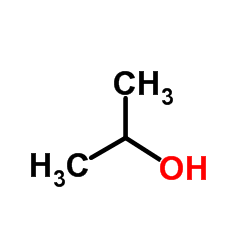

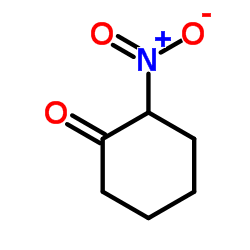
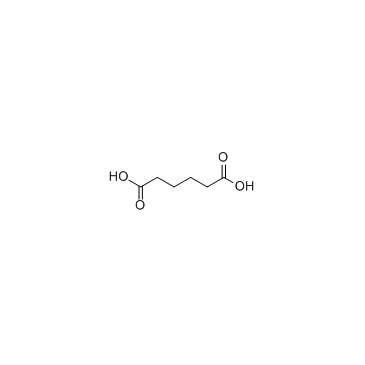
| Precursor 4 | |
|---|---|
| DownStream 2 | |


| HS Code | 2917120090 |
|---|---|
| Summary | 2917120090. adipic acid and its salts. VAT:17.0%. Tax rebate rate:13.0%. Supervision conditions:AB(certificate of inspection for goods inward,certificate of inspection for goods outward). MFN tariff:6.5%. General tariff:30.0% |