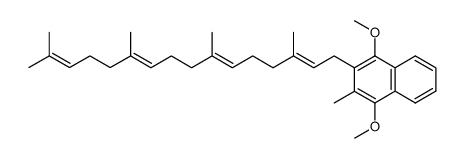
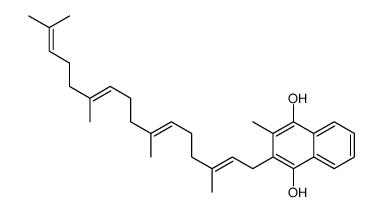
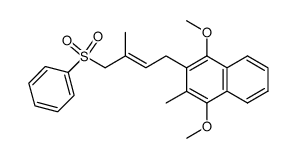
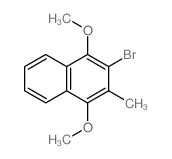
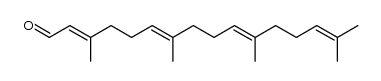
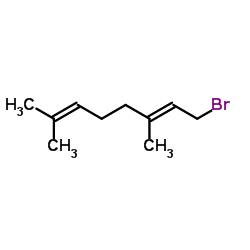
863-61-6
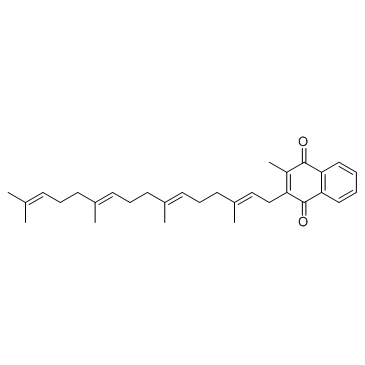
863-61-6 structure
- Name: Menatetrenone
- Chemical Name: menatetrenone
- CAS Number: 863-61-6
- Molecular Formula: C31H40O2
- Molecular Weight: 444.648
- Catalog: API Vitamins and minerals Vitamin C drugs
- Create Date: 2018-06-26 17:38:07
- Modify Date: 2026-06-30 18:32:34
-
Menaquinone-4 is a vitamin K, used as a hemostatic agent, and also a adjunctive therapy for the pain of osteoporosis.
| Name | menatetrenone |
|---|---|
| Synonyms |
[R-[R*,R*-(Z)]]-2-Methyl-3-(3,7,11,15-tetramethyl-2-hexadecenyl)-1,4-naphthalenedione
Menatetrenone //BP MENAQUINONE 4 Vitamin K2(20),MK-4 JP14 powder 2-methyl-3-[(2E,6E,10E)-3,7,11,15-tetramethyl-2,6,10,14-hexadecatetraenyl]naphthoquinone 1,4-naphthoquinone,2-methyl-3-(3,7,11,15-tetramethyl-2,6,10,14-hexadecatetraen vitamink2(sub20) Phytonadione,(Z) 2-Methyl-3-((2E,6E,10E)-3,7,11,15-tetramethylhexadeca-2,6,10,14-tetraen-1-yl)naphthalene-1,4-dione VitaminK2Oil Menaquinone 4 (Mixture of cis-trans isoMers) MK 4 Menatetrenone (MK-4) Menatetrenone(11-8) Phytomenadione,(Z) MENAQUINONE Phylloquinone,cis Glakay 2-Methyl-3-[(2E,6E,10E)-3,7,11,15-tetramethylhexadeca-2,6,10,14-tetraenyl]naphthalene-1,4-dione 2-methyl-3-[(2E,6E,10E)-3,7,11,15-tetramethylhexadeca-2,6,10,14-tetraen-1-yl]naphthalene-1,4-dione 2-Methyl-3-(3,7,11,15-tetramethyl-2,6,10,14-hexadecatetraenyl)-1,4-naphthalenedione 2-Methyl-3-[(2E,6E,10E)-3,7,11,15-tetramethyl-2,6,10,14-hexadecatetraen-1-yl]-1,4-naphthoquinone Vitamin K2(20),MK4 powder vitamin K2 Menatetrenone 1,4-Naphthalenedione, 2-methyl-3-[(2E,6E,10E)-3,7,11,15-tetramethyl-2,6,10,14-hexadecatetraen-1-yl] (E,E,E)-2-Methyl-3-(3,7,11,15-tetramethyl-2,6,10,14-hexadecatetraenyl)-1,4-naphthalenedione Vitamin K2 Menatetrenone (Vitamin MK4, E3100) Metetrenone kaytwo Vitamin K2(20),MK4 oil Vitamin K2(MK-4) 2-Methyl-3-[(2E,6E,10E)-3,7,11,15-tetramethylhexadeca-2,6,10,14-tetraen-1-yl]-1,4-naphthoquinone Phylloquinone,(Z) Vitamin K2 (tn) VitaminK2Powder Menaquinone4, Menatetrenone VitaminK2Min.Powder Vitamin K2 (MK-4) solution menaquinon-4 Vitamin K2,MK4,menaquinone, menaquinon-4, menatetrenone, menatetren, menatetrenona, menatetrenonum UNII-A034SE7857 component MBWXNTAXLNYFJB-ODDKJFTJSA-N MENAQUINONE (K2) 100MG NEAT cis-Phylloquinone Vitamin MK-4 2-methyl-3-((E)-3,7,11,15-tetramethyl-hexadec-2-enyl)-[1,4]naphthoquinone VITAMIN K2(MENAQUINONE-4)(SH) 2-methyl-3-trans-tetraprenyl-1,4-naphthoquinone Vitamin K2(20),MK4 mk(sub4) 2-Methyl-3-[(2E)-3,7,11,15-tetramethyl-2-hexadecaenyl]naphthoquinone cis-Vitamin K1 Vitamin K2-Menatetrenone ( MK-4 ) menaquinonek(sub4) e3100 k2(sub20) K220 menatetranone D00100 Menaquinone4, Menatetrenone, VitaminK2 MFCD00079646 2-methyl-3-(3,7,11,15-tetramethyl-2,6,10,14-hexadecatetraenyl)-1,4-naphthoqu Menatetrenone (jp15/inn) MENATETRENONE Menaquinone-4 Standd 2-Methyl-3-geranylgeranyl-1,4-naphthoquinone Menaquinone K4 menaquinone-4 Menatetrenone RS VitaminK2 |
| Description | Menaquinone-4 is a vitamin K, used as a hemostatic agent, and also a adjunctive therapy for the pain of osteoporosis. |
|---|---|
| Related Catalog | |
| In Vitro | Menaquinone-4 (MK-4, 0, 1, 5, 10 μM) increases the ALP activity in Caco-2 cells. Menaquinone-4 (1 μM) significantly increases intensities of hSI expression[1]. |
| In Vivo | Menaquinone-4 (K2, 0.2 g/kg diet) in HF-K2 group produces epididymal fat in C57BL/6J mice, and also increases the bone density of mice[2]. |
| Cell Assay | Caco-2 cells are plated at a density of 2-5 × 10⁴ cells/cm2 onto a 35-mm dish. Cells are incubated for 2 to 3 days until 60%-70% confluency, and desired concentrations of Menaquinone-4 (0, 1.0, 5.0, and 10.0 μM) are added. The final concentration of the vehicle is 0.1% of the culture medium, and the culture medium is changed twice a week. Cells are assayed on days 0, 3, 7, and 11 after the addition of Menaquinone-4[1]. |
| Animal Admin | Forty-two male, 4-week-old C57BL/6J mice provided with feed and drink ad libitum. For environmental adaptation, the animals had 1 week of circulation, and then are provided with the experimental diet after being randomly divided into 6 groups (7 animals in each group; randomized block design). The AIN-93G diets consist of a normal diet (N), normal diet + vitamin K1 (N-K1), normal diet + vitamin Menaquinone-4 (N-K2), 45% high-fat diet (HF), 45% high-fat diet + vitamin K1 (HF-K1), and a 45% high-fat diet + vitamin Menaquinone-4 (HF-K2). The vitamin K1 and vitamin Menaquinone-4 contents are 200 mg/1,000 g, and the diet is provided in pellet form. Body weight is measured once a week, and the food efficiency ratio (FER) is calculated by dividing the increased body weight from day 1 to the final day by the food intake amount during the experiment period. For fat amount measurement, the epididymal fat, perirenal fat, and retroperitoneal fat are extracted from dead animal subjects, are washed with 0.9% NaCl, dried by filter paper, and then are weighed[2]. |
| References |
| Density | 1.0±0.1 g/cm3 |
|---|---|
| Boiling Point | 570.6±50.0 °C at 760 mmHg |
| Melting Point | 350ºC |
| Molecular Formula | C31H40O2 |
| Molecular Weight | 444.648 |
| Flash Point | 208.3±27.1 °C |
| Exact Mass | 444.302826 |
| PSA | 34.14000 |
| LogP | 10.94 |
| Vapour Pressure | 0.0±1.6 mmHg at 25°C |
| Index of Refraction | 1.539 |
| Storage condition | −20°C |
CHEMICAL IDENTIFICATION
HEALTH HAZARD DATAACUTE TOXICITY DATA
|
| Symbol |


GHS02, GHS07 |
|---|---|
| Signal Word | Danger |
| Hazard Statements | H225-H302 + H312 + H332-H319 |
| Precautionary Statements | P210-P280-P305 + P351 + P338 |
| Personal Protective Equipment | Eyeshields;Gloves;type N95 (US);type P1 (EN143) respirator filter |
| Safety Phrases | 22-24/25 |
| RIDADR | UN 1648 3 / PGII |
| WGK Germany | 3 |
| RTECS | QL9279500 |
| Precursor 8 | |
|---|---|
| DownStream 1 | |