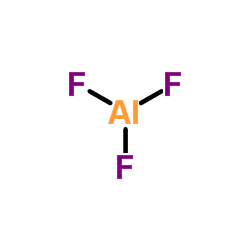
1302-42-7

1302-42-7 structure
- Name: Sodium aluminate
- Chemical Name: sodium aluminum oxide
- CAS Number: 1302-42-7
- Molecular Formula: Al2Na2O4
- Molecular Weight: 165.95600
- Catalog: Inorganic chemical industry Inorganic salt Metal oxide acid salt
- Create Date: 2018-09-26 11:35:54
- Modify Date: 2026-07-01 17:32:05
| Name | sodium aluminum oxide |
|---|---|
| Synonyms |
Natriumaluminat
sodiumaluminate(na2al2o4) AluMinate (AlO21-),sodiuM (1:1) EINECS 215-100-1 Sodium Aluminate Fisher Chemical TudorSN sodiummetaaluminate ASC1p100 sodiummetaaluminate(naalo2) Natrium-Aluminat aluminumsodiumoxide(alnao2) sodiumaluminumoxide(naalo2) Sodium Aluminate aluminate(alo2(1-)),sodium Granular clay Sodium aluminum oxide, ade Dynagrout (Sodiooxy)aluminum oxide NaAlO2 Aluminate,sodium aluminate(alo21-),sodium FimA Dynaflock SODIUM ALUMINUM OXIDE ISO 9001:2015 REACH SODIUMALUMINATE aluminium sodium dioxide MFCD00801010 Sodium metaluminate Amerfloc 2 sodiumaluminiumoxide SODIUM ALUMINATE COSE POWDER Sodium Aluminate powder p49/p100) Manfloc aluminumsodiumoxide(alnao4) Sodium aluminum dioxide sodiumaluminate,solid sodiumaluminumdioxide SodiumaluminatecaHO SODIUM ALUMINUM OXIDE SODIUM ALUMINATE: (CA H2O), (-AL) Kitakurito 10 sodiumaluminate(naalo2) Sodium aluminate(1-) CVID10 anulclay Sodiumaluminate,contains~H2O(-Al) aluminumsodiumoxide(al2na2o4) TIANFU-CHEM SODIUM ALUMINUM OXIDE Dynaout Aluminate (AlO21-), sodium TDRD11 Sodium metaaluminate Sodium aluminate, contains approx. H2O (-Al) |
| Density | 1.5 g/cm3 |
|---|---|
| Melting Point | 1800°C |
| Molecular Formula | Al2Na2O4 |
| Molecular Weight | 165.95600 |
| Exact Mass | 165.93800 |
| PSA | 43.37000 |
| Index of Refraction | 1.566 |
| Storage condition | -20°C |
| Stability | Stable. Reacts exothermically with water. Incompatible with strong oxidizing agents. |
|
Section 1: Product Identification Chemical Name:Sodium aluminate, contains approx. 8% H2O (99.9%-Al) CAS Registry Number:1302-42-7 Formula:NaAlO2 EINECS Number:215-100-1 Chemical Family:inorganic compound Synonym:Aluminum sodium oxide
Section 2: Composition and Information on Ingredients IngredientCAS NumberPercentACGIH (TWA)OSHA (PEL) Title Compound1302-42-790%no datano data Section 3: Hazards Identification Emergency Overview:Corrosive to eyes, skin and respiratory tract. May be harmful if swallowed Primary Routes of Exposure:Ingestion, inhalation Eye Contact:Causes burns to the eyes. Skin Contact:Causes burns to the skin. Inhalation:Corrosive to the nose, mucous membranes and respiratory tract. Ingestion:No information on the physiological effects of ingestion. Acute Health Affects:Corrosive to skin, eyes and respiratory tract. Chronic Health Affects:No information available on long-term chronic effects. NTP:No IARC:No OSHA:No SECTION 4: First Aid Measures Immediately flush the eyes with copious amounts of water for at least 10-15 minutes. A victim may need Eye Exposure: assistance in keeping their eye lids open. Get immediate medical attention. Wash the affected area with water. Remove contaminated clothes if necessary. Seek medical assistance if Skin Exposure: irritation persists. Remove the victim to fresh air. Closely monitor the victim for signs of respiratory problems, such as difficulty Inhalation: in breathing, coughing, wheezing, or pain. In such cases seek immediate medical assistance. Seek medical attention immediately. Keep the victim calm. Give the victim water (only if conscious). Induce Ingestion: vomiting only if directed by medical personnel. SECTION 5: Fire Fighting Measures Flash Point:not applicable Autoignition Temperature:none Explosion Limits:none Extinguishing Medium:none required If involved in a fire, fire fighters should be equipped with a NIOSH approved positive pressure self-contained Special Fire Fighting Procedures: breathing apparatus and full protective clothing. Hazardous Combustion andNone Decomposion Products: Unusual Fire or Explosion Hazards: No unusual fire or explosion hazards. SECTION 6: Accidental Release Measures Spill and Leak Procedures:Small spills can be mixed with powdered sodium carbonate or ground limestone and swept up. SECTION 7: Handling and Storage Handling and Storage:Store material in a tightly sealed bottle away from moisture. SECTION 8: Exposure Controls and Personal Protection Eye Protection:Always wear approved safety glasses when handling a chemical substance in the laboratory. Skin Protection:Wear protective clothes and gloves. Consult with glove manufacturer to determine the proper type of glove. Ventilation:If possible, handle the material in an efficient fume hood. In the absence of adequate ventilation a respirator should be worn. The use of a respiratory requires a Respirator: Respirator Protection Program to be in compliance with 29 CFR 1910.134. Ventilation:If possible, handle the material in an efficient fume hood. Additional Protection:No additional protection required. SECTION 9: Physical and Chemical Properties Color and Form:white pwdr. Molecular Weight:81.97 Melting Point:1800° Boiling Point:no data Vapor Pressure:no data Specific Gravity:no data Odor:none Solubility in Water:soluble SECTION 10: Stability and Reactivity Stability:hygroscopic Hazardous Polymerization:no hazardous polymerization Conditions to Avoid:none Incompatibility:Active metals Decomposition Products:none SECTION 11: Toxicological Information RTECS Data:No information available in the RTECS files. Carcinogenic Effects:none Mutagenic Effects:none Tetratogenic Effects:none SECTION 12: Ecological Information Ecological Information:No information available SECTION 13: Disposal Considerations Disposal:Dispose of according to local, state and federal regulations. SECTION 14: Transportation Shipping Name (CFR):Sodium aluminate, solid Hazard Class (CFR):8 Additional Hazard Class (CFR):NA Packaging Group (CFR):III UN ID Number (CFR):UN# 2812 Shipping Name (IATA):Sodium aluminate, solid Hazard Class (IATA):8 Additional Hazard Class (IATA):NA Packaging Group (IATA):III UN ID Number (IATA):UN# 2812 SECTION 15: Regulatory Information TSCA:Listed in the TSCA inventory. SARA (Title 313):Title compound not listed Second Ingredient:none SECTION 16 - ADDITIONAL INFORMATION N/A |
| Precursor 9 | |
|---|---|
| DownStream 1 | |