121-32-4

121-32-4 structure
- Name: Ethyl vanillin
- Chemical Name: ethyl vanillin
- CAS Number: 121-32-4
- Molecular Formula: C9H10O3
- Molecular Weight: 166.174
- Catalog: Food additive Food spice Artificial spice
- Create Date: 2018-07-05 10:49:34
- Modify Date: 2026-06-30 07:45:59
-
Ethylvanillin is a flavorant, about three times as potent as vanillin and is used in the production of chocolate.
| Name | ethyl vanillin |
|---|---|
| Synonyms |
protocatechualdehyde ethyl ether
burbonal FEMA 2464 vanirome Bourbonal ETHYL VANILLIN, JAPANESE Vanillin, ethyl ethyl-vanilli Benzaldehyde, 3-ethoxy-4-hydroxy Vanilal 3-ETHOXY-4-HYDROXYBENZALDEHYDE / ETHYL VANILLIN VANILLAL ETHYL PROTOCATECHUIC ALDEHYDE 3-ethoxy VHR DQ CO2 4-OH-3-OEtC6H3CHO 3-Ethoxy-4-hydroxybenzaldehyde, R Ethylvanillin, synthesis ade ETHYLVANILLIN(SECONDY STANDD) 3-ethoxy-4-hydroxy-benzaldehyd PROTOCATECHUALDEHYDE 3-ETHYL ETHER Rhodiome ETHYLVANILLINE 4-hydroxy-3-ethoxybenzaldehyde 4-Hydroxy-3-ethoxybenzaldehyde LABOTEST-BB LT00927158 3-Ethoxy-4-hydroxybenzaldehyde ethyl pyrocatechuric aldehyde Ethyl Vanillin ETHYL VANILLIN (RHODIOME) TIMTEC-BB SBB008268 ETHYLVANILLIN(SH) EINECS 204-464-7 Benzaldehyde,3-ethoxy-4-hydroxy 3-Ethoxy-4-hydroxybenzaldehyde,Ethylvanillin 3-Ethoxy-4-Hydroxybenzaldehyde,(S) ETHOVAN ethvlvanillin ethylvanillin ETHYLPROTAL Vanirom 3-ETHOXY-4-HYDROXYBENZALDEHYDE MFCD00006944 ETHYLVANILLIN,NF Ethyl protocatechualdehyde protocatechuicaldehydeethylether 2-Ethoxy-4-formylphenol, Ethyl vanillin Protocatechuic aldehyde 3-ethyl ether ETHYLVANILLIN WITH BOURBONAL 3-Ethoxy-4-hydroxybenzaldehyde ReagentPlus(R) ETHYL VANILLIN Ethyl vanillin(FCC4) 3-Ethoxy-4-hydroxybenzaldehyd ETHYL VANILLIN extrapure Ethyl protocatechualdehyde 3-ethyl ether Vanbeenol Ethavan ETHYL VANILLIN FCC Quantrovanil |
| Description | Ethylvanillin is a flavorant, about three times as potent as vanillin and is used in the production of chocolate. |
|---|---|
| Related Catalog |
| Density | 1.2±0.1 g/cm3 |
|---|---|
| Boiling Point | 295.1±20.0 °C at 760 mmHg |
| Melting Point | 76 °C |
| Molecular Formula | C9H10O3 |
| Molecular Weight | 166.174 |
| Flash Point | 119.0±15.3 °C |
| Exact Mass | 166.062988 |
| PSA | 46.53000 |
| LogP | 1.72 |
| Vapour Pressure | 0.0±0.6 mmHg at 25°C |
| Index of Refraction | 1.574 |
| Water Solubility | slightly soluble |
CHEMICAL IDENTIFICATION
HEALTH HAZARD DATAACUTE TOXICITY DATA
MUTATION DATA
|
| Symbol |

GHS07 |
|---|---|
| Signal Word | Warning |
| Hazard Statements | H302-H315-H319-H335 |
| Precautionary Statements | P261-P305 + P351 + P338 |
| Personal Protective Equipment | dust mask type N95 (US);Eyeshields;Gloves |
| Hazard Codes | Xn:Harmful |
| Risk Phrases | R22;R36/37/38 |
| Safety Phrases | S26-S36 |
| RIDADR | NONH for all modes of transport |
| WGK Germany | 1 |
| RTECS | CU6125000 |
| Packaging Group | I; II; III |
| HS Code | 2912420000 |
| Precursor 9 | |
|---|---|
| DownStream 10 | |

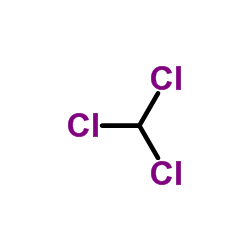

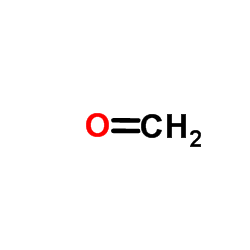
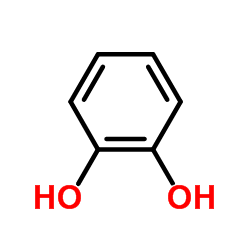

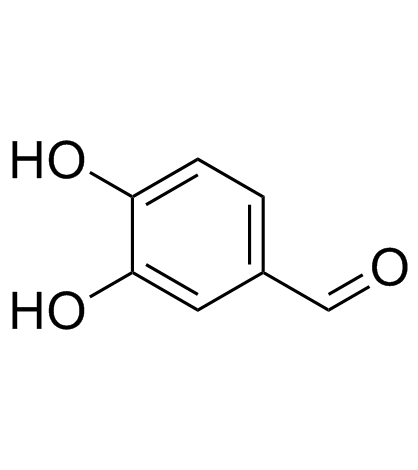


| HS Code | 2912420000 |
|---|---|
| Summary | 2912420000 3-ethoxy-4-hydroxybenzaldehyde。Supervision conditions:None。VAT:17.0%。Tax rebate rate:13.0%。Lowest tariff:5.5%。General tariff:30.0% |