1143-70-0
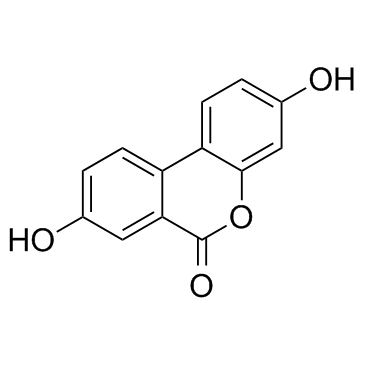
1143-70-0 structure
- Name: Urolithin A
- Chemical Name: 3,8-dihydroxybenzo[c]chromen-6-one
- CAS Number: 1143-70-0
- Molecular Formula: C13H8O4
- Molecular Weight: 228.20000
- Catalog: Research Areas Cancer
- Create Date: 2018-02-25 08:00:00
- Modify Date: 2026-06-30 11:00:02
-
Urolithin A is an intestinal metabolite of ellagic acid with antioxidant and antiproliferative effects; inhibits T24 and Caco-2 cell growth with IC50 values of 43.9 and 49 μM, respectively.
| Name | 3,8-dihydroxybenzo[c]chromen-6-one |
|---|---|
| Synonyms |
3,8-Hydroxydibenzo-alpha-pyrone
Uro-A 3,8-dihydroxy-6H-benzo[c]chromen-6-one/Urolithin A 3,8-DIHYDROXYDIBENZO-(B,D)PYRAN-6-ONE 3,8-Dihydroxyurolithin 2',7-Dihydroxy-3,4-benzocoumin urolithin-A CastoreumpigmentI 3,8-Dihydroxy-6H-dibenzo<b,d>pyran-6-one 3,8-dihydroxy-6H-dibenzo(b,d)pyran-6-one J-1143 Uriny calculus a 3,8-dihydroxy-6H-dibenzopyran-6-one) Urolithin A, 10 mM in DMSO urolithin-A(UA 6H-Dibenzo(B,D)pyran-6-one, 3,8-dihydroxy NeolithicA urolithin B 3, 8-Dihydroxy-6H-benzo[c]chromen-6-one Castoreum pigment I |
| Description | Urolithin A is an intestinal metabolite of ellagic acid with antioxidant and antiproliferative effects; inhibits T24 and Caco-2 cell growth with IC50 values of 43.9 and 49 μM, respectively. |
|---|---|
| Related Catalog | |
| Target |
IC50: 43.9 μM (T24 cell)[1], 49 μM (Caco-2cell)[2] |
| In Vitro | Urolithins could mainly inhibit prostate cancer and colon cancer cell growth. Urolithin A increases mRNA and protein expression of Phospho-p38 MAPK, and decreases mRNA and protein expression of MEKK1 and Phospho-c-Jun in T24 cells. Caspase-3 is also activated and PPAR-γ protein expression increased in drug-induced apoptosis[1]. Urolithin A exerts a dose- and time-dependent significant arrest at G2/M and S phases after treatments with 50 and 100 μM at 24 and 48 h compared to control cells. It induces cell apoptosis with 50 and 100 μM [2]. Urolithin A shows potent antiproliferative activity on HepG2 cells. When cell death is induced by Urolithin A, the expression of β-catenin, c-Myc and Cyclin D1 are decreased and TCF/LEF transcriptional activation is notably down-regulated. Urolithin A also increases protein expression of p53, p38-MAPK and caspase-3, but suppresses expression of NF-κB p65 and other inflammatory mediators[3]. |
| In Vivo | The volume of paw edema is reduced at 1 h after oral administration of urolithin A. In addition, plasma in treated mice exhibited significant oxygen radical antioxidant capacity (ORAC) scores with high plasma levels of the unconjugated form at 1 h after oral administration of urolithin A[4]. |
| Cell Assay | Human colon cancer cells HT-29 are treated for 24 and 48 h at 100 and 50 μM of Urolithin A and Iso Urolithin A aglycones and their glucuronide conjugates. Cell viability and proliferation are measured using a TC10 automated cell counter with the addition of Trypan blue for viability determination. IC50 values are determined by MTT assay[2]. |
| Animal Admin | Mice: Paw edema is induced in the right hind paw of ICR mice by the subcutaneous injection of 1% λ-carrageenan in pysiological saline (50 μL). The inflammation level is quantified by the volume of paw edema. Urolithin A dissolved in 0.5% carboxymethylcellulose suspension is orally administered to the mice at 1 or 6 h before carrageenan injection. The anti-inflammatory effects of urolithin A on carrageenan-induced edema in mice are analyzed[4]. |
| References |
| Density | 1.516g/cm3 |
|---|---|
| Boiling Point | 527.9ºC at 760 mmHg |
| Molecular Formula | C13H8O4 |
| Molecular Weight | 228.20000 |
| Flash Point | 214.2ºC |
| Exact Mass | 228.04200 |
| PSA | 70.67000 |
| LogP | 2.35740 |
| Vapour Pressure | 9.24E-12mmHg at 25°C |
| Index of Refraction | 1.717 |
| HS Code | 2914400090 |
|---|
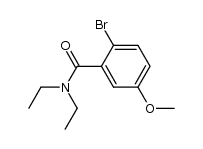
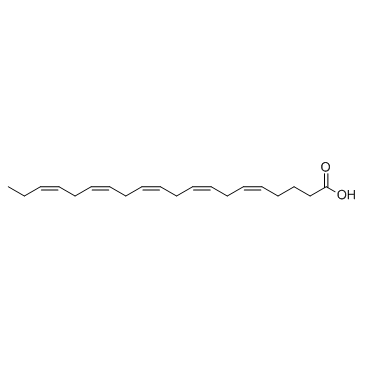
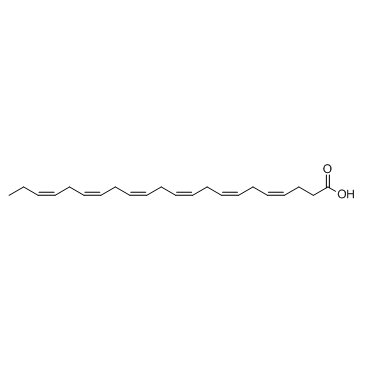
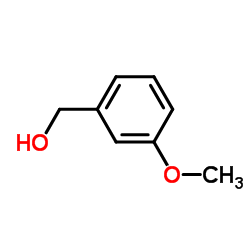
| Precursor 9 | |
|---|---|
| DownStream 0 | |


| HS Code | 2914400090 |
|---|---|
| Summary | 2914400090 other ketone-alcohols and ketone-aldehydes。Supervision conditions:None。VAT:17.0%。Tax rebate rate:9.0%。MFN tariff:5.5%。General tariff:30.0% |