- Shanghai Nianxing Industrial Co., Ltd
- China
- Product Name: Palmitic acid
- Price: Check
- Purity: 98.0%
- Stocking Period: 10 Day
- Contact: Yang
- Email: sales@echemcloud.com
- Dayang Chem (Hangzhou) Co., Ltd.
- China
- Product Name: Isopropyl palmitate
- Price: $Inquiry/100g $Inquiry/1kg $Inquiry/100kg $Inquiry/1000kg
- Purity: 98.0%
- Stocking Period: Inquiry
- Contact: Ms Wang
- Email: enquiry@dycnchem.com
- Henan Tianfu Chemical Co., Ltd.
- China
- Product Name: Isopropyl palmitate
- Price: $Inquiry/1kg $Inquiry/25kg $Inquiry/1000kg $Inquiry/10ton
- Purity: 99.0%
- Stocking Period: Inquiry
- Contact: Anson
- Email: info@tianfuchem.com
- Zhongshan Xingrui Chemical Co. , Ltd.
- China
- Product Name: Isopropyl palmitate
- Price: ¥Inquiry/25kg
- Purity: 99.0%
- Stocking Period: Inquiry
- Contact: Wang Jie

- Email: 3096638339@qq.com
142-91-6
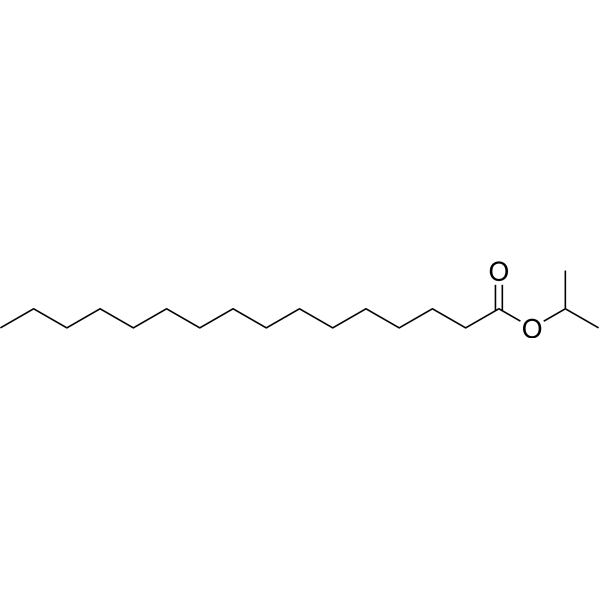
142-91-6 structure
- Name: Isopropyl palmitate
- Chemical Name: isopropyl palmitate
- CAS Number: 142-91-6
- Molecular Formula: C19H38O2
- Molecular Weight: 298.51
- Catalog: Organic raw materials Carboxylic compounds and derivatives Carboxylic esters and their derivatives
- Create Date: 2018-06-05 08:00:00
- Modify Date: 2026-07-03 08:21:53
-
Isopropyl palmitate is an fatty acid ester. Isopropyl palmitate can be used for design and characterization of bioactive bilayer films. The bilayer membrane not only has the ability to scavenge free radicals and inhibit lipid peroxidation, but also can inhibit the growth of known foodborne pathogens. Isopropyl palmitate can be used as an excipient, such as lubricant, oily carrier, solvent, controlled-release transdermal film. Pharmaceutical excipients, or pharmaceutical auxiliaries, refer to other chemical substances used in the pharmaceutical process other than pharmaceutical ingredients. Pharmaceutical excipients generally refer to inactive ingredients in pharmaceutical preparations, which can improve the stability, solubility and processability of pharmaceutical preparations. Pharmaceutical excipients also affect the absorption, distribution, metabolism, and elimination (ADME) processes of co-administered drugs[1][2].
| Name | isopropyl palmitate |
|---|---|
| Synonyms |
kesscoipp
Isopropyl n-hexadecanoate hexadecanoicacidisopropylester Isopal propan-2-yl hexadecanoate ISOPROPYLPALMITATE,NF Hexadecanoic acid 1-methylethyl ester sinnoesterpit 1-Methylethyl ester1-methylethyl hexandecanoate ISOPROPYLPALMITAT Radia 7732 (IPP) Kessco IPP Isopalm Emerest HEXADECANOIC ACID 1-METHYLETHYL ESTER Emcol-IP Hexadecanoic acidisopropyl n-hexadecanoate ISOPROPYL PALMITATE crodamolipp hexadecanoicacid,isopropylester plymouthipp 1-methylethyl hexadecanoate estol103 Crodamol IPP kesscoisopropylpalmitate Isopropyl ester of hexadecanoic acid 1-Methylethylhexadecanoate Palmitic acid esters Estol Isopropyl palmitate ade Isopropylpalmilate Isopropyl hexadecanoate Kessco isopropyl palmitate Hexadecanoic acid, 1-methylethyl ester Liponate IPP deltylprime nikkolipp Palmitinsureisopropylester Hexadecanoic acid, isopropyl ester Deltyl Prime zhonglvsuanyixinzhi Plymouth ipp 2-propyl hexadecanoate emerest2316 Ja-fa ippkessco PALMITIC ACID ISOPROPYL ESTER Propan-2-yl hexadecanoate EINECS 205-571-1 stfolipp Stfol ipp Sinnoester PIT ja-faipp Deltyl isopropyln-hexadecanoate Isopropyl PalMitate, NF Lexol IPP Radia Palmitic Acid Isopropyl Ester isopropylpalmitate,2-methylpropylhexadecanoate Ja-fa ipp MFCD00008993 |
| Description | Isopropyl palmitate is an fatty acid ester. Isopropyl palmitate can be used for design and characterization of bioactive bilayer films. The bilayer membrane not only has the ability to scavenge free radicals and inhibit lipid peroxidation, but also can inhibit the growth of known foodborne pathogens. Isopropyl palmitate can be used as an excipient, such as lubricant, oily carrier, solvent, controlled-release transdermal film. Pharmaceutical excipients, or pharmaceutical auxiliaries, refer to other chemical substances used in the pharmaceutical process other than pharmaceutical ingredients. Pharmaceutical excipients generally refer to inactive ingredients in pharmaceutical preparations, which can improve the stability, solubility and processability of pharmaceutical preparations. Pharmaceutical excipients also affect the absorption, distribution, metabolism, and elimination (ADME) processes of co-administered drugs[1][2]. |
|---|---|
| Related Catalog | |
| References |
| Density | 0.9±0.1 g/cm3 |
|---|---|
| Boiling Point | 340.7±10.0 °C at 760 mmHg |
| Melting Point | 11-13 °C(lit.) |
| Molecular Formula | C19H38O2 |
| Molecular Weight | 298.51 |
| Flash Point | 162.2±8.8 °C |
| Exact Mass | 298.287170 |
| PSA | 26.30000 |
| LogP | 8.49 |
| Vapour Pressure | 0.0±0.7 mmHg at 25°C |
| Index of Refraction | 1.443 |
| Storage condition | 2-8°C |
CHEMICAL IDENTIFICATION
HEALTH HAZARD DATAACUTE TOXICITY DATA
|
| Personal Protective Equipment | Eyeshields;full-face respirator (US);Gloves;multi-purpose combination respirator cartridge (US);type ABEK (EN14387) respirator filter |
|---|---|
| Hazard Codes | Xi:Irritant |
| Risk Phrases | R36/37/38 |
| Safety Phrases | S26-S36 |
| RIDADR | NONH for all modes of transport |
| WGK Germany | - |
| RTECS | RT4900000 |
| HS Code | 2915709000 |
|
~65%
142-91-6 |
| Literature: US2004/106813 A1, ; Page 3 ; |
|
~98%
142-91-6 |
| Literature: Burger; Greyling; Spies Journal of Chemical Ecology, 1999 , vol. 25, # 9 p. 2099 - 2108 |
|
~%
142-91-6 |
| Literature: Journal of the American Oil Chemists' Society, , vol. 24, p. 257 |
|
~%
142-91-6 |
| Literature: Journal of Organic Chemistry, , vol. 78, # 6 p. 2386 - 2396 |
|
~%
142-91-6 |
| Literature: Australian Journal of Chemistry, , vol. 30, p. 2487 - 2492 |
|
~%
142-91-6 |
| Literature: Australian Journal of Chemistry, , vol. 30, p. 2487 - 2492 |
|
~%
142-91-6 |
| Literature: Australian Journal of Chemistry, , vol. 30, p. 2487 - 2492 |
|
~%
142-91-6 |
| Literature: JAOCS, Journal of the American Oil Chemists' Society, , vol. 81, # 4 p. 331 - 337 |
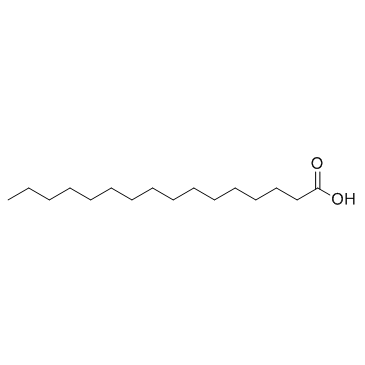
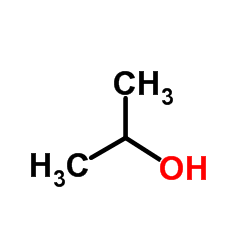

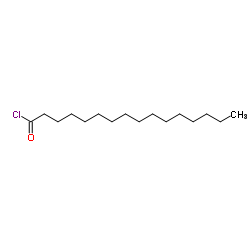

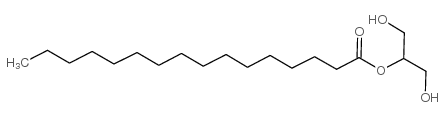


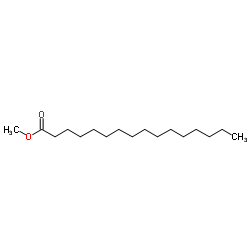
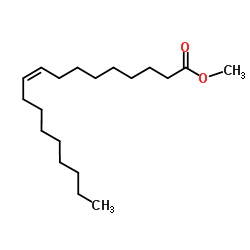
| Precursor 7 | |
|---|---|
| DownStream 0 | |
| HS Code | 2915709000 |
|---|---|
| Summary | 2915709000. palmitic acid and its salts and esters. VAT:17.0%. Tax rebate rate:13.0%. . MFN tariff:5.5%. General tariff:30.0% |