n-propylbenzene
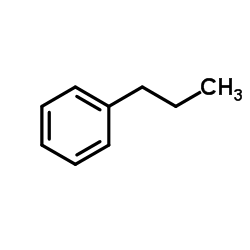
n-propylbenzene structure
|
Common Name | n-propylbenzene | ||
|---|---|---|---|---|
| CAS Number | 103-65-1 | Molecular Weight | 120.192 | |
| Density | 0.862 | Boiling Point | 159 °C at 760 mmHg | |
| Molecular Formula | C9H12 | Melting Point | −99 °C(lit.) | |
| MSDS | Chinese USA | Flash Point | 47.8±0.0 °C | |
| Symbol |


GHS02, GHS07, GHS08, GHS09 |
Signal Word | Danger | |
Summary: Propylbenzene, also known as n-propylbenzene, has a Chinese name of 正丙基苯. Its molecular formula is C9H12, with a molecular weight of 120.192. This compound is a colorless or pale yellow liquid with a melting point of -99°C and a boiling point of 159°C. For research-use only, not for medical or clinical usage.
This table lists Chinese names, IUPAC names and various aliases of this chemical substance.
| Name | propylbenzene |
|---|---|
| Synonym | More Synonyms |
This table shows physicochemical parameters including melting point, boiling point, density, solubility and optical rotation. Missing data is marked as N/A.
| Density | 0.862 |
|---|---|
| Boiling Point | 159 °C at 760 mmHg |
| Melting Point | −99 °C(lit.) |
| Molecular Formula | C9H12 |
| Molecular Weight | 120.192 |
| Flash Point | 47.8±0.0 °C |
| Exact Mass | 120.093903 |
| LogP | 3.74 |
| Vapour density | 4.14 (vs air) |
| Vapour Pressure | 3.1±0.1 mmHg at 25°C |
| Index of Refraction | 1.495 |
| InChIKey | ODLMAHJVESYWTB-UHFFFAOYSA-N |
| SMILES | CCCc1ccccc1 |
| Stability | Stable. Flammable. Incompatible with strong oxidizing agents. |
This table provides MSDS information including hazard classification, first‑aid, fire‑fighting, spill handling, operation and storage instructions.
This table summarizes toxicological test data, acute & chronic toxicity and ecological hazard parameters for this chemical.
CHEMICAL IDENTIFICATION
HEALTH HAZARD DATAACUTE TOXICITY DATA
|
This table covers safety warnings, protective measures, incompatible substances and disposal guidelines for this compound.
| Symbol |
GHS02, GHS07, GHS08, GHS09 |
|---|---|
| Signal Word | Danger |
| Hazard Statements | H226-H304-H335-H411 |
| Precautionary Statements | P261-P273-P301 + P310-P331 |
| Personal Protective Equipment | Eyeshields;Faceshields;full-face respirator (US);Gloves;multi-purpose combination respirator cartridge (US);type ABEK (EN14387) respirator filter |
| Hazard Codes | Xn:Harmful;N:Dangerousfortheenvironment; |
| Risk Phrases | R10;R37;R51/53;R65 |
| Safety Phrases | S24-S37-S61-S62 |
| RIDADR | UN 2364 3/PG 3 |
| WGK Germany | 2 |
| RTECS | DA8750000 |
| Packaging Group | III |
| Hazard Class | 3 |
| HS Code | 2902909090 |
This table presents publicly reported synthetic routes, reaction conditions, reactants and product information of the compound.
This table lists upstream starting materials and downstream derivative products related to this chemical.
| Precursor 9 | |
|---|---|
| DownStream 10 | |
 CAS#:637-59-2
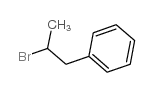 CAS#:2114-39-8
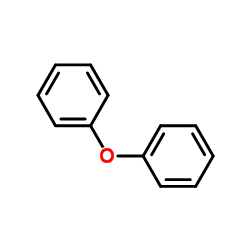 CAS#:101-84-8
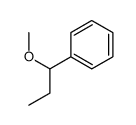 CAS#:59588-12-4
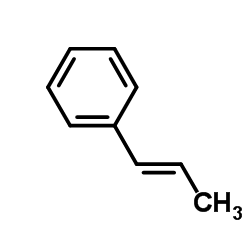 CAS#:637-50-3
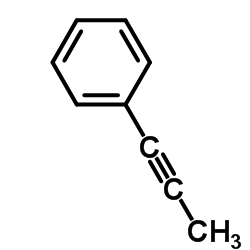 CAS#:673-32-5
 CAS#:698-87-3
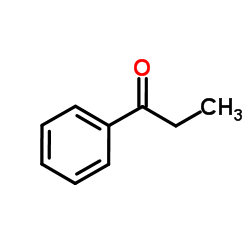 CAS#:93-55-0
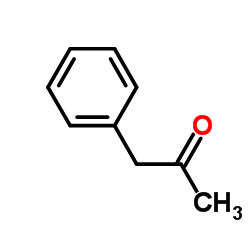 CAS#:103-79-7
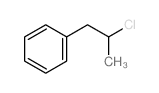 CAS#:10304-81-1
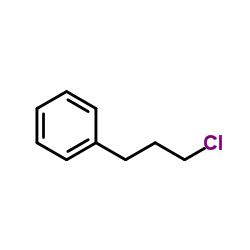 CAS#:104-52-9
 CAS#:934-11-2
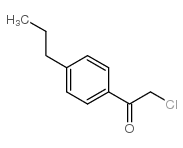 CAS#:105443-49-0
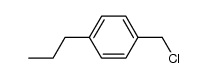 CAS#:3166-97-0
 CAS#:52710-27-7
![2-[[(10S,13S)-13-methyl-3,17-dioxo-2,6,7,8,9,11,12,14,15,16-decahydro-1H-cyclopenta[a]phenanthren-10-yl]methoxy]acetic acid structure](https://image.chemsrc.com/caspic/215/83808-03-1.png) CAS#:83808-03-1
CAS#:83808-03-1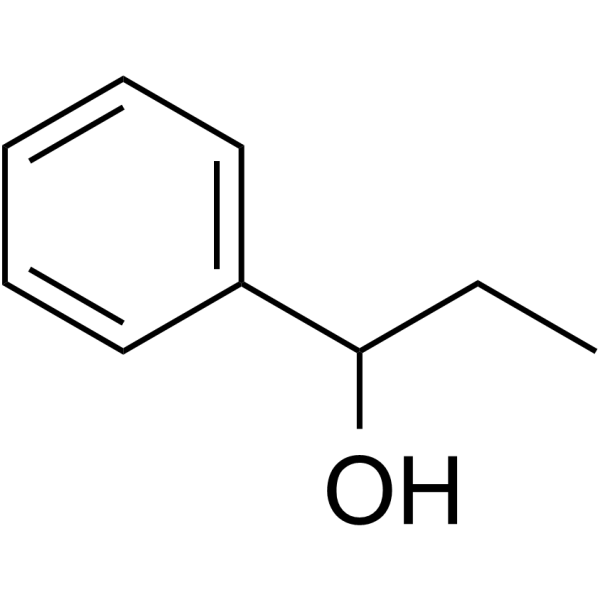 CAS#:93-54-9
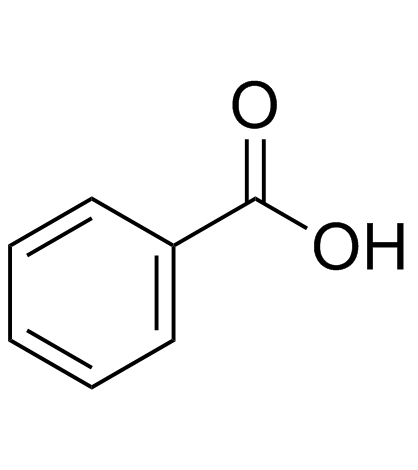 CAS#:65-85-0
This table shows customs‑related data including HS‑code, tariff and regulatory conditions for import and export.
| HS Code | 2902909090 |
|---|---|
| Summary | 2902909090 other aromatic hydrocarbons。Supervision conditions:None。VAT:17.0%。Tax rebate rate:9.0%。MFN tariff:2.0%。General tariff:30.0% |
This table lists relevant public references with title, journal and publication metadata for this compound.
|
Evaluation of injection methods for fast, high peak capacity separations with low thermal mass gas chromatography.
J. Chromatogr. A. 1392 , 82-90, (2015) Low thermal mass gas chromatography (LTM-GC) was evaluated for rapid, high peak capacity separations with three injection methods: liquid, headspace solid phase micro-extraction (HS-SPME), and direct ... |
|
|
Conformational mobility of small molecules in glass-forming solutions studied by FTIR spectroscopy.
Spectrochim. Acta. A. Mol. Biomol. Spectrosc. 91 , 184-91, (2012) Small molecules with two or more stable conformations when embedded in a glass-forming liquid (matrix) serve the role of "conformational probes", i.e., their conformational transitions are used to fol... |
|
|
Development of an equilibrium headspace gas chromatographic method for the measurement of noncovalent association and partitioning of n-alkylbenzenes at infinite dilution in fulvic acid pseudophase.
J. Chromatogr. A. 1383 , 1-7, (2015) Fulvic acid (FA), the most important water soluble fraction of humic substances in nature, is known to form aggregate pseudophase and complexes with organic and inorganic species. Here, we report a no... |
This table contains target information, in‑vitro & in‑vivo assay data for this compound.
This table collects all English aliases, systematic names and CAS‑related synonyms of the compound.
| N-PROPYL BENZENE |
| Propylbenzene |
| 4-N-PROPYL BENZENE |
| 1-Phenylpropane |
| N-PROPYLBENZEN |
| EINECS 203-132-9 |
| phenylpropane |
| N-PROPYLBENZENE |
| N-POPYL BENZENE |
| PROPYLBENZENE FOR SYNTHESIS |
| n-Propylbenzene (1-Phenylpropane) |
| UNII:0WR86ZHG2Z |
| MFCD00009377 |
This section contains frequently‑asked‑questions about this compound, including basic parameters, properties, storage conditions and corresponding answers.
| Q: What English synonyms does propylbenzene have? |
| A: English synonyms of propylbenzene: N-PROPYL BENZENE, Propylbenzene, 4-N-PROPYL BENZENE, 1-Phenylpropane, N-PROPYLBENZEN, EINECS 203-132-9, phenylpropane, N-PROPYLBENZENE, N-POPYL BENZENE, PROPYLBENZENE FOR SYNTHESIS, n-Propylbenzene (1-Phenylpropane), UNII:0WR86ZHG2Z, MFCD00009377. |
| Q: What is the CAS number of propylbenzene? |
| A: CAS number of propylbenzene is 103-65-1. |
| Q: What are the upstream materials of propylbenzene? |
| A: Related upstream materials(CAS) of propylbenzene: 637-59-2;2114-39-8;101-84-8;59588-12-4;637-50-3;673-32-5;698-87-3;93-55-0;103-79-7. |
| Q: What is the melting point of propylbenzene? |
| A: Melting point of propylbenzene is −99 °C(lit.). |
| Q: What is the boiling point of propylbenzene? |
| A: Boiling point of propylbenzene is 159 °C at 760 mmHg. |
| Q: What is the molecular weight of propylbenzene? |
| A: Molecular weight of propylbenzene is 120.192. |
| Q: What is the safety information for propylbenzene? |
| A: Safety information for propylbenzene: S24-S37-S61-S62. |
| Q: What is the SMILES notation of propylbenzene? |
| A: SMILES notation of propylbenzene is CCCc1ccccc1. |
| Q: What are the downstream products of propylbenzene? |
| A: Related downstream products(CAS) of propylbenzene: 10304-81-1;104-52-9;934-11-2;105443-49-0;3166-97-0;52710-27-7;93-55-0;83808-03-1;93-54-9;65-85-0. |
| Q: What is the molecular formula of propylbenzene? |
| A: Molecular formula of propylbenzene is C9H12. |
This table lists manufacturers and suppliers of this compound, including vendor names and product supply reference information.
| Shanghai Nianxing Industrial Co., Ltd |
| Dayang Chem (Hangzhou) Co., Ltd. |