Chrysene

Chrysene structure
|
Common Name | Chrysene | ||
|---|---|---|---|---|
| CAS Number | 218-01-9 | Molecular Weight | 228.288 | |
| Density | 1.2±0.1 g/cm3 | Boiling Point | 448.0±0.0 °C at 760 mmHg | |
| Molecular Formula | C18H12 | Melting Point | 246-256ºC | |
| MSDS | Chinese USA | Flash Point | 209.1±13.7 °C | |
| Symbol |


GHS08, GHS09 |
Signal Word | Danger | |
Use of ChryseneChrysene is a high molecular weight (HMW), polycyclic aromatic hydrocarbon (PAH) known for its recalcitrance and carcinogenic properties[1]. |
This table lists Chinese names, IUPAC names and various aliases of this chemical substance.
| Name | chrysene |
|---|---|
| Synonym | More Synonyms |
This table contains bioactivity, target information and biological‑assay experimental data of this compound.
| Description | Chrysene is a high molecular weight (HMW), polycyclic aromatic hydrocarbon (PAH) known for its recalcitrance and carcinogenic properties[1]. |
|---|---|
| Related Catalog | |
| References |
This table shows physicochemical parameters including melting point, boiling point, density, solubility and optical rotation. Missing data is marked as N/A.
| Density | 1.2±0.1 g/cm3 |
|---|---|
| Boiling Point | 448.0±0.0 °C at 760 mmHg |
| Melting Point | 246-256ºC |
| Molecular Formula | C18H12 |
| Molecular Weight | 228.288 |
| Flash Point | 209.1±13.7 °C |
| Exact Mass | 228.093903 |
| LogP | 5.91 |
| Vapour Pressure | 0.0±0.5 mmHg at 25°C |
| Index of Refraction | 1.771 |
| InChIKey | WDECIBYCCFPHNR-UHFFFAOYSA-N |
| SMILES | c1ccc2c(c1)ccc1c3ccccc3ccc21 |
| Storage condition | 2-8°C |
| Stability | Stable. Combustible. Incompatible with strong oxidizing agents. |
| Water Solubility | insoluble |
This table provides MSDS information including hazard classification, first‑aid, fire‑fighting, spill handling, operation and storage instructions.
This table summarizes toxicological test data, acute & chronic toxicity and ecological hazard parameters for this chemical.
CHEMICAL IDENTIFICATION
HEALTH HAZARD DATAACUTE TOXICITY DATA
MUTATION DATA
|
This table covers safety warnings, protective measures, incompatible substances and disposal guidelines for this compound.
| Symbol |
GHS08, GHS09 |
|---|---|
| Signal Word | Danger |
| Hazard Statements | H341-H350-H410 |
| Supplemental HS | Repeated exposure may cause skin dryness or cracking. |
| Precautionary Statements | P201-P273-P281-P308 + P313-P501 |
| Personal Protective Equipment | dust mask type N95 (US);Eyeshields;Gloves;type P2 (EN 143) respirator cartridges |
| Hazard Codes | T:Toxic;N:Dangerousfortheenvironment; |
| Risk Phrases | R45;R50/53;R68 |
| Safety Phrases | S45-S53-S60-S61 |
| RIDADR | UN 3077 |
| WGK Germany | 3 |
| RTECS | GC0700000 |
| Packaging Group | III |
| Hazard Class | 9.0 |
| HS Code | 2902909090 |
This table presents publicly reported synthetic routes, reaction conditions, reactants and product information of the compound.
This table lists upstream starting materials and downstream derivative products related to this chemical.
| Precursor 7 | |
|---|---|
| DownStream 10 | |
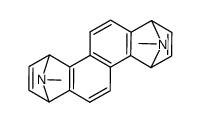 CAS#:85337-34-4
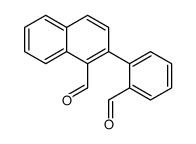 CAS#:132335-14-9
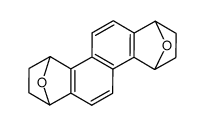 CAS#:85337-33-3
 CAS#:27559-94-0
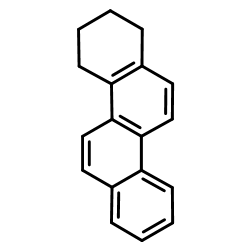 CAS#:2091-90-9
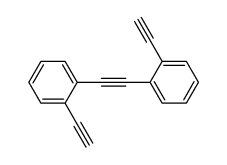 CAS#:27499-64-5
 CAS#:85337-32-2
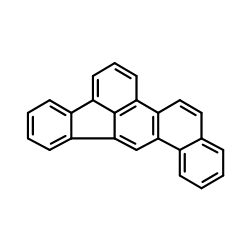 CAS#:111189-32-3
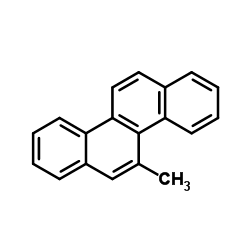 CAS#:3697-24-3
 CAS#:2091-91-0
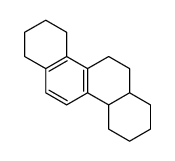 CAS#:1610-22-6
![5,6,8,9,10,11-Hexahydrobenz[a]anthracene structure](https://image.chemsrc.com/caspic/185/67064-61-3.png) CAS#:67064-61-3
CAS#:67064-61-3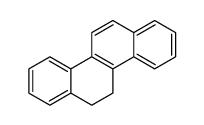 CAS#:2091-92-1
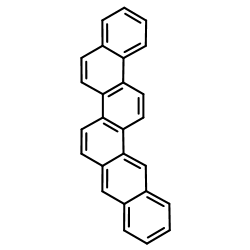
![Naphtho[2,1-a]naphthacene structure](https://image.chemsrc.com/caspic/112/220-82-6.png) CAS#:220-82-6
CAS#:220-82-6 CAS#:2090-14-4
 CAS#:217-42-5
This table shows customs‑related data including HS‑code, tariff and regulatory conditions for import and export.
| HS Code | 2902909090 |
|---|---|
| Summary | 2902909090 other aromatic hydrocarbons。Supervision conditions:None。VAT:17.0%。Tax rebate rate:9.0%。MFN tariff:2.0%。General tariff:30.0% |
This table lists relevant public references with title, journal and publication metadata for this compound.
|
Characterization and tissue distribution of conjugated metabolites of pyrene in the rat.
J. Vet. Med. Sci. 77 , 1261-7, (2015) Pyrene (PY) is a polycyclic aromatic hydrocarbon (PAH) that is often used as a biomarker for human and wildlife exposure to PAHs. As the metabolites of PAHs, similar to their parent compounds, pose pu... |
|
|
QSPR modeling of octanol/water partition coefficient for vitamins by optimal descriptors calculated with SMILES.
Eur. J. Med. Chem. 43 , 714-40, (2008) Simplified molecular input line entry system (SMILES) has been utilized in constructing quantitative structure-property relationships (QSPR) for octanol/water partition coefficient of vitamins and org... |
|
|
Polymeric ionic liquid bucky gels as sorbent coatings for solid-phase microextraction
J. Chromatogr. A. 1344 , 15-22, (2014) • Polymeric ionic liquid bucky gel sorbent coatings were developed for SPME. • Method involved on-fiber co-polymerization by thermal free-radical polymerization. • Sorbent coatings were used for the e... |
This table collects all English aliases, systematic names and CAS‑related synonyms of the compound.
| 1,2,5,6-Dibenzonaphthalene |
| 1,2-Benzophenanthrene |
| 1,2-Benzphenanthrene |
| MFCD07698607 |
| Chrysene |
| Benzo[a]phenanthrene |
| EINECS 205-923-4 |
This section contains frequently‑asked‑questions about this compound, including basic parameters, properties, storage conditions and corresponding answers.
| Q: What is the SMILES notation of chrysene? |
| A: SMILES notation of chrysene is c1ccc2c(c1)ccc1c3ccccc3ccc21. |
| Q: What are the uses of chrysene? |
| A: Main uses of chrysene: Chrysene is a high molecular weight (HMW), polycyclic aromatic hydrocarbon (PAH) known for its recalcitrance and carcinogenic properties[1]. |
| Q: What is the InChIKey of chrysene? |
| A: InChIKey of chrysene is WDECIBYCCFPHNR-UHFFFAOYSA-N. |
| Q: What is the molecular weight of chrysene? |
| A: Molecular weight of chrysene is 228.288. |
| Q: What is the CAS number of chrysene? |
| A: CAS number of chrysene is 218-01-9. |
| Q: What are the storage conditions for chrysene? |
| A: Storage conditions for chrysene: 2-8°C. |
| Q: What are the upstream materials of chrysene? |
| A: Related upstream materials(CAS) of chrysene: 85337-34-4;132335-14-9;85337-33-3;27559-94-0;2091-90-9;27499-64-5;85337-32-2. |
| Q: What is the safety information for chrysene? |
| A: Safety information for chrysene: S45-S53-S60-S61. |
| Q: How is the water solubility of chrysene? |
| A: Water solubility of chrysene: insoluble. |
| Q: What is the molecular formula of chrysene? |
| A: Molecular formula of chrysene is C18H12. |
This table lists manufacturers and suppliers of this compound, including vendor names and product supply reference information.
| Shanghai Nianxing Industrial Co., Ltd |
| Henan Tianfu Chemical Co., Ltd. |