Alternariol
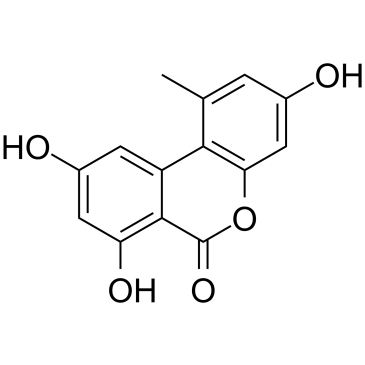
Alternariol structure
|
Common Name | Alternariol | ||
|---|---|---|---|---|
| CAS Number | 641-38-3 | Molecular Weight | 258.226 | |
| Density | 1.6±0.1 g/cm3 | Boiling Point | 586.9±39.0 °C at 760 mmHg | |
| Molecular Formula | C14H10O5 | Melting Point | 350°C (rough estimate) | |
| MSDS | Chinese USA | Flash Point | 232.3±20.6 °C | |
| Symbol |

GHS06 |
Signal Word | Danger | |
Use of AlternariolAlternariol is a mycotoxin produced by Alternaria species. AOH inhibits the catalytic activity of topoisomerase I and topoisomerase II enzymes[1]. Alternariol exhibits a variety of therapeutic and biological properties such as phytotoxicity, cytotoxicity, anti-HIV, anti-cancer, and anti-microbial properties[2]. |
This table lists Chinese names, IUPAC names and various aliases of this chemical substance.
| Name | alternariol |
|---|---|
| Synonym | More Synonyms |
This table contains bioactivity, target information and biological‑assay experimental data of this compound.
| Description | Alternariol is a mycotoxin produced by Alternaria species. AOH inhibits the catalytic activity of topoisomerase I and topoisomerase II enzymes[1]. Alternariol exhibits a variety of therapeutic and biological properties such as phytotoxicity, cytotoxicity, anti-HIV, anti-cancer, and anti-microbial properties[2]. |
|---|---|
| Related Catalog | |
| References |
This table shows physicochemical parameters including melting point, boiling point, density, solubility and optical rotation. Missing data is marked as N/A.
| Density | 1.6±0.1 g/cm3 |
|---|---|
| Boiling Point | 586.9±39.0 °C at 760 mmHg |
| Melting Point | 350°C (rough estimate) |
| Molecular Formula | C14H10O5 |
| Molecular Weight | 258.226 |
| Flash Point | 232.3±20.6 °C |
| Exact Mass | 258.052826 |
| PSA | 90.90000 |
| LogP | 2.93 |
| Vapour Pressure | 0.0±1.7 mmHg at 25°C |
| Index of Refraction | 1.731 |
| InChIKey | CEBXXEKPIIDJHL-UHFFFAOYSA-N |
| SMILES | Cc1cc(O)cc2oc(=O)c3c(O)cc(O)cc3c12 |
This table provides MSDS information including hazard classification, first‑aid, fire‑fighting, spill handling, operation and storage instructions.
This table summarizes toxicological test data, acute & chronic toxicity and ecological hazard parameters for this chemical.
CHEMICAL IDENTIFICATION
HEALTH HAZARD DATAACUTE TOXICITY DATA
|
This table covers safety warnings, protective measures, incompatible substances and disposal guidelines for this compound.
| Symbol |
GHS06 |
|---|---|
| Signal Word | Danger |
| Hazard Statements | H300-H310-H330 |
| Precautionary Statements | P260-P264-P280-P284-P302 + P350-P310 |
| Personal Protective Equipment | Eyeshields;Faceshields;full-face particle respirator type N100 (US);Gloves;respirator cartridge type N100 (US);type P1 (EN143) respirator filter;type P3 (EN 143) respirator cartridges |
| Hazard Codes | T+ |
| Risk Phrases | 26/27/28 |
| Safety Phrases | 28-36/37/39-45 |
| RIDADR | UN 3462 6.1/PG 1 |
| WGK Germany | 3 |
| RTECS | HP8757000 |
| Packaging Group | III |
| Hazard Class | 6.1(b) |
| HS Code | 2914400090 |
This table lists upstream starting materials and downstream derivative products related to this chemical.
| Precursor 6 | |
|---|---|
| DownStream 2 | |
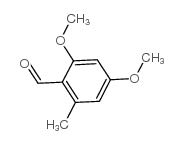 CAS#:7149-90-8
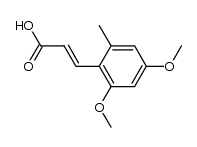 CAS#:131035-44-4
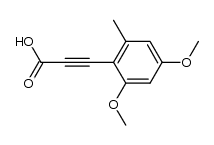 CAS#:131035-47-7
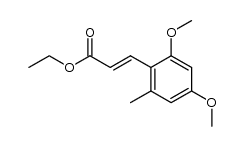 CAS#:131035-45-5
 CAS#:131035-48-8
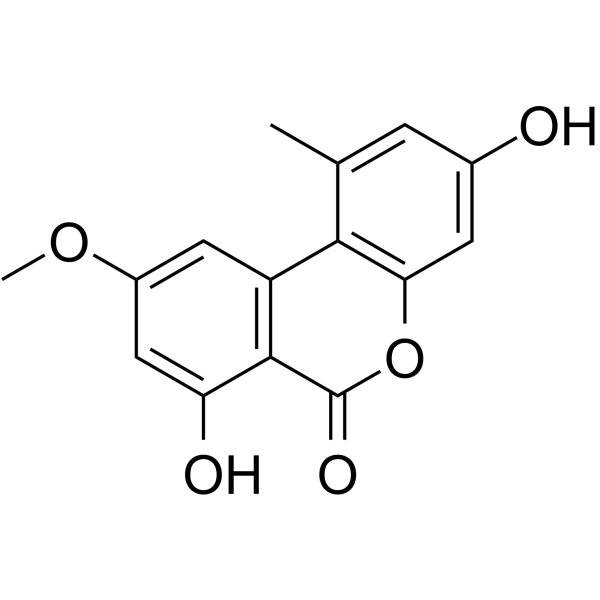 CAS#:23452-05-3
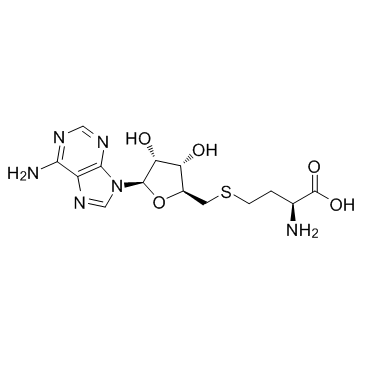 CAS#:979-92-0
This table shows customs‑related data including HS‑code, tariff and regulatory conditions for import and export.
| HS Code | 2914400090 |
|---|---|
| Summary | 2914400090 other ketone-alcohols and ketone-aldehydes。Supervision conditions:None。VAT:17.0%。Tax rebate rate:9.0%。MFN tariff:5.5%。General tariff:30.0% |
This table lists relevant public references with title, journal and publication metadata for this compound.
|
Autophagy and senescence, stress responses induced by the DNA-damaging mycotoxin alternariol.
Toxicology 326 , 119-29, (2014) The mycotoxin alternariol (AOH), a frequent contaminant in fruit and grain, is known to induce cellular stress responses such as reactive oxygen production, DNA damage and cell cycle arrest. Cellular ... |
|
|
AFLP variability, toxin production, and pathogenicity of Alternaria species from Argentinean tomato fruits and puree.
Int. J. Food Microbiol. 145(2-3) , 414-9, (2011) Large amounts of tomato fruits and derived products are produced in Argentina and may be contaminated by Alternaria toxins. Limited information is available on the genetic variability, toxigenicity, a... |
|
|
Minor contribution of alternariol, alternariol monomethyl ether and tenuazonic acid to the genotoxic properties of extracts from Alternaria alternata infested rice.
Toxicol. Lett. 214(1) , 46-52, (2012) Alternaria spp. are known to form a spectrum of secondary metabolites with alternariol (AOH), alternariol monomethyl ether (AME), altenuene (ALT) and tenuazonic acid (TA) as the major mycotoxins with ... |
This table contains target information, in‑vitro & in‑vivo assay data for this compound.
|
Name: Protection against AfB1-induced toxicity in human HepG2 cells assessed as increase in...
Source: ChEMBL
Target: HepG2
External Id: CHEMBL4393571
|
|
Name: USP8 deubiquitinase inhibition: Primary qHTS
Source: 24642
Target: ubiquitin specific peptidase 8
External Id: USP8 FAST DUB HTS Primary
|
|
Name: USP17 deubiquitinase inhibition: Primary qHTS
Source: 24642
Target: ubiquitin specific peptidase 17 like family member 5
External Id: USP17 FAST DUB HTS Primary
|
|
Name: USP7 deubiquitinase inhibition: Primary qHTS
Source: 24642
Target: ubiquitin specific peptidase 7
External Id: USP7 FAST DUB HTS Primary
|
|
Name: Cytotoxicity against human A549 cells at 10 uM by MTT assay
Source: ChEMBL
Target: NON-PROTEIN TARGET
External Id: CHEMBL3866812
|
|
Name: Protection against AfB1-induced toxicity in human HepG2 cells assessed as live cell a...
Source: ChEMBL
Target: HepG2
External Id: CHEMBL4393568
|
|
Name: Inhibition of recombinant VEGFR2
Source: ChEMBL
Target: Vascular endothelial growth factor receptor 2
External Id: CHEMBL962872
|
|
Name: Inhibition of recombinant AKT1
Source: ChEMBL
Target: RAC-alpha serine/threonine-protein kinase
External Id: CHEMBL966174
|
|
Name: Antibacterial activity against Xanthomonas vesicatoria ATCC 11633 by broth dilution c...
Source: ChEMBL
Target: Xanthomonas euvesicatoria
External Id: CHEMBL3866788
|
|
Name: Inhibition of recombinant ARK5
Source: ChEMBL
Target: NUAK family SNF1-like kinase 1
External Id: CHEMBL966175
|
This table collects all English aliases, systematic names and CAS‑related synonyms of the compound.
| Alternariol |
| Alternariol from Alternaria sp. |
| 3,7,9-Trihydroxy-1-methyl-6H-benzo[c]chromen-6-one |
| AOH |
| 3,7,9-trihydroxy-1-methylbenzo[c]chromen-6-one |
This section contains frequently‑asked‑questions about this compound, including basic parameters, properties, storage conditions and corresponding answers.
| Q: What are the uses of alternariol? |
| A: Main uses of alternariol: Alternariol is a mycotoxin produced by Alternaria species. AOH inhibits the catalytic activity of topoisomerase I and topoisomerase II enzymes[1]. Alternariol exhibits a variety of therapeutic and biological properties such as phytotoxicity, cytotoxicity, anti-HIV, anti-cancer, and anti-microbial properties[2]. |
| Q: What is the safety information for alternariol? |
| A: Safety information for alternariol: 28-36/37/39-45. |
| Q: What is the InChIKey of alternariol? |
| A: InChIKey of alternariol is CEBXXEKPIIDJHL-UHFFFAOYSA-N. |
| Q: What are the downstream products of alternariol? |
| A: Related downstream products(CAS) of alternariol: 23452-05-3;979-92-0. |
| Q: What is the English name of alternariol? |
| A: The English name of alternariol is alternariol. |
| Q: What is the boiling point of alternariol? |
| A: Boiling point of alternariol is 586.9±39.0 °C at 760 mmHg. |
| Q: What is the molecular weight of alternariol? |
| A: Molecular weight of alternariol is 258.226. |
| Q: What is the polar surface area (PSA) of alternariol? |
| A: Polar surface area (PSA) of alternariol is 90.90000. |
| Q: What is the SMILES notation of alternariol? |
| A: SMILES notation of alternariol is Cc1cc(O)cc2oc(=O)c3c(O)cc(O)cc3c12. |
| Q: What are the upstream materials of alternariol? |
| A: Related upstream materials(CAS) of alternariol: 7149-90-8;131035-44-4;131035-47-7;131035-45-5;131035-48-8;23452-05-3. |
This table lists manufacturers and suppliers of this compound, including vendor names and product supply reference information.
| Shanghai Nianxing Industrial Co., Ltd |
| BioBioPha |