CHEMICAL IDENTIFICATION
-
RTECS NUMBER :
-
LQ2100000
-
CHEMICAL NAME :
-
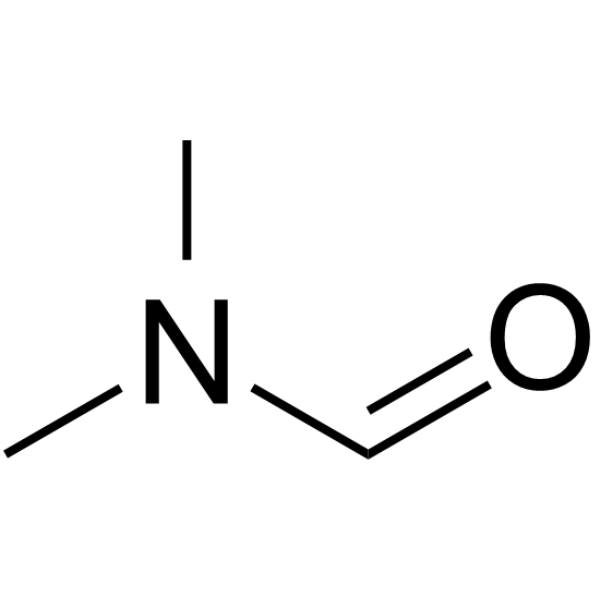
Formamide, N,N-dimethyl-
-
CAS REGISTRY NUMBER :
-
68-12-2
-
LAST UPDATED :
-
199806
-
DATA ITEMS CITED :
-
102
-
MOLECULAR FORMULA :
-
C3-H7-N-O
-
MOLECULAR WEIGHT :
-
73.11
-
WISWESSER LINE NOTATION :
-
VHN1&1
HEALTH HAZARD DATA
ACUTE TOXICITY DATA
-
TYPE OF TEST :
-
Standard Draize test
-
ROUTE OF EXPOSURE :
-
Administration onto the skin
-
SPECIES OBSERVED :
-
Human
-
TYPE OF TEST :
-
Rinsed with water
-
ROUTE OF EXPOSURE :
-
Administration into the eye
-
SPECIES OBSERVED :
-
Rodent - rabbit
-
TYPE OF TEST :
-
LD50 - Lethal dose, 50 percent kill
-
ROUTE OF EXPOSURE :
-
Oral
-
SPECIES OBSERVED :
-
Rodent - rat
-
DOSE/DURATION :
-
2800 mg/kg
-
TOXIC EFFECTS :
-
Details of toxic effects not reported other than lethal dose value
-
TYPE OF TEST :
-
LCLo - Lowest published lethal concentration
-
ROUTE OF EXPOSURE :
-
Inhalation
-
SPECIES OBSERVED :
-
Rodent - rat
-
DOSE/DURATION :
-
5000 ppm/6H
-
TOXIC EFFECTS :
-
Details of toxic effects not reported other than lethal dose value
-
TYPE OF TEST :
-
LD - Lethal dose
-
ROUTE OF EXPOSURE :
-
Administration onto the skin
-
SPECIES OBSERVED :
-
Rodent - rat
-
DOSE/DURATION :
-
>3160 mg/kg
-
TOXIC EFFECTS :
-
Details of toxic effects not reported other than lethal dose value
-
TYPE OF TEST :
-
LD50 - Lethal dose, 50 percent kill
-
ROUTE OF EXPOSURE :
-
Intraperitoneal
-
SPECIES OBSERVED :
-
Rodent - rat
-
DOSE/DURATION :
-
1400 mg/kg
-
TOXIC EFFECTS :
-
Behavioral - somnolence (general depressed activity) Behavioral - muscle weakness Nutritional and Gross Metabolic - weight loss or decreased weight gain
-
TYPE OF TEST :
-
LD50 - Lethal dose, 50 percent kill
-
ROUTE OF EXPOSURE :
-
Subcutaneous
-
SPECIES OBSERVED :
-
Rodent - rat
-
DOSE/DURATION :
-
3800 mg/kg
-
TOXIC EFFECTS :
-
Details of toxic effects not reported other than lethal dose value
-
TYPE OF TEST :
-
LD50 - Lethal dose, 50 percent kill
-
ROUTE OF EXPOSURE :
-
Intravenous
-
SPECIES OBSERVED :
-
Rodent - rat
-
DOSE/DURATION :
-
2 gm/kg
-
TOXIC EFFECTS :
-
Details of toxic effects not reported other than lethal dose value
-
TYPE OF TEST :
-
LD50 - Lethal dose, 50 percent kill
-
ROUTE OF EXPOSURE :
-
Unreported
-
SPECIES OBSERVED :
-
Rodent - rat
-
DOSE/DURATION :
-
>3 gm/kg
-
TOXIC EFFECTS :
-
Details of toxic effects not reported other than lethal dose value
-
TYPE OF TEST :
-
LD50 - Lethal dose, 50 percent kill
-
ROUTE OF EXPOSURE :
-
Oral
-
SPECIES OBSERVED :
-
Rodent - mouse
-
DOSE/DURATION :
-
3700 mg/kg
-
TOXIC EFFECTS :
-
Behavioral - somnolence (general depressed activity) Behavioral - excitement Behavioral - muscle contraction or spasticity
-
TYPE OF TEST :
-
LC50 - Lethal concentration, 50 percent kill
-
ROUTE OF EXPOSURE :
-
Inhalation
-
SPECIES OBSERVED :
-
Rodent - mouse
-
DOSE/DURATION :
-
9400 mg/m3/2H
-
TOXIC EFFECTS :
-
Behavioral - convulsions or effect on seizure threshold Behavioral - muscle weakness Lungs, Thorax, or Respiration - dyspnea
-
TYPE OF TEST :
-
LD50 - Lethal dose, 50 percent kill
-
ROUTE OF EXPOSURE :
-
Intraperitoneal
-
SPECIES OBSERVED :
-
Rodent - mouse
-
DOSE/DURATION :
-
650 mg/kg
-
TOXIC EFFECTS :
-
Details of toxic effects not reported other than lethal dose value
-
TYPE OF TEST :
-
LD50 - Lethal dose, 50 percent kill
-
ROUTE OF EXPOSURE :
-
Subcutaneous
-
SPECIES OBSERVED :
-
Rodent - mouse
-
DOSE/DURATION :
-
4500 mg/kg
-
TOXIC EFFECTS :
-
Details of toxic effects not reported other than lethal dose value
-
TYPE OF TEST :
-
LD50 - Lethal dose, 50 percent kill
-
ROUTE OF EXPOSURE :
-
Intravenous
-
SPECIES OBSERVED :
-
Rodent - mouse
-
DOSE/DURATION :
-
2500 mg/kg
-
TOXIC EFFECTS :
-
Details of toxic effects not reported other than lethal dose value
-
TYPE OF TEST :
-
LD50 - Lethal dose, 50 percent kill
-
ROUTE OF EXPOSURE :
-
Intramuscular
-
SPECIES OBSERVED :
-
Rodent - mouse
-
DOSE/DURATION :
-
3900 mg/kg
-
TOXIC EFFECTS :
-
Details of toxic effects not reported other than lethal dose value
-
TYPE OF TEST :
-
LD50 - Lethal dose, 50 percent kill
-
ROUTE OF EXPOSURE :
-
Intravenous
-
SPECIES OBSERVED :
-
Mammal - dog
-
DOSE/DURATION :
-
470 mg/kg
-
TOXIC EFFECTS :
-
Details of toxic effects not reported other than lethal dose value
-
TYPE OF TEST :
-
LD50 - Lethal dose, 50 percent kill
-
ROUTE OF EXPOSURE :
-
Intraperitoneal
-
SPECIES OBSERVED :
-
Mammal - cat
-
DOSE/DURATION :
-
500 mg/kg
-
TOXIC EFFECTS :
-
Liver - other changes Kidney, Ureter, Bladder - other changes in urine composition Blood - changes in cell count (unspecified)
-
TYPE OF TEST :
-
LD50 - Lethal dose, 50 percent kill
-
ROUTE OF EXPOSURE :
-
Oral
-
SPECIES OBSERVED :
-
Rodent - rabbit
-
DOSE/DURATION :
-
5 gm/kg
-
TOXIC EFFECTS :
-
Details of toxic effects not reported other than lethal dose value
-
TYPE OF TEST :
-
LD50 - Lethal dose, 50 percent kill
-
ROUTE OF EXPOSURE :
-
Administration onto the skin
-
SPECIES OBSERVED :
-
Rodent - rabbit
-
DOSE/DURATION :
-
4720 mg/kg
-
TOXIC EFFECTS :
-
Details of toxic effects not reported other than lethal dose value
-
TYPE OF TEST :
-
LD50 - Lethal dose, 50 percent kill
-
ROUTE OF EXPOSURE :
-
Intraperitoneal
-
SPECIES OBSERVED :
-
Rodent - rabbit
-
DOSE/DURATION :
-
1 gm/kg
-
TOXIC EFFECTS :
-
Liver - other changes Kidney, Ureter, Bladder - other changes in urine composition Blood - changes in cell count (unspecified)
-
TYPE OF TEST :
-
LD50 - Lethal dose, 50 percent kill
-
ROUTE OF EXPOSURE :
-
Intravenous
-
SPECIES OBSERVED :
-
Rodent - rabbit
-
DOSE/DURATION :
-
1800 mg/kg
-
TOXIC EFFECTS :
-
Details of toxic effects not reported other than lethal dose value
-
TYPE OF TEST :
-
LDLo - Lowest published lethal dose
-
ROUTE OF EXPOSURE :
-
Intraperitoneal
-
SPECIES OBSERVED :
-
Rodent - guinea pig
-
DOSE/DURATION :
-
4 gm/kg
-
TOXIC EFFECTS :
-
Liver - fatty liver degeneration
-
TYPE OF TEST :
-
LD50 - Lethal dose, 50 percent kill
-
ROUTE OF EXPOSURE :
-
Intravenous
-
SPECIES OBSERVED :
-
Rodent - guinea pig
-
DOSE/DURATION :
-
1050 mg/kg
-
TOXIC EFFECTS :
-
Details of toxic effects not reported other than lethal dose value
-
TYPE OF TEST :
-
TDLo - Lowest published toxic dose
-
ROUTE OF EXPOSURE :
-
Oral
-
SPECIES OBSERVED :
-
Rodent - rat
-
DOSE/DURATION :
-
13 gm/kg/15W-C
-
TOXIC EFFECTS :
-
Behavioral - food intake (animal) Liver - changes in liver weight Nutritional and Gross Metabolic - weight loss or decreased weight gain
-
TYPE OF TEST :
-
TDLo - Lowest published toxic dose
-
ROUTE OF EXPOSURE :
-
Oral
-
SPECIES OBSERVED :
-
Rodent - rat
-
DOSE/DURATION :
-
5400 mg/kg/90D-C
-
TOXIC EFFECTS :
-
Liver - changes in liver weight Blood - changes in erythrocyte (RBC) count Blood - changes in leukocyte (WBC) count
-
TYPE OF TEST :
-
TCLo - Lowest published toxic concentration
-
ROUTE OF EXPOSURE :
-
Inhalation
-
SPECIES OBSERVED :
-
Rodent - rat
-
DOSE/DURATION :
-
400 ppm/6H/13W-I
-
TOXIC EFFECTS :
-
Liver - changes in liver weight Blood - changes in erythrocyte (RBC) count Biochemical - Enzyme inhibition, induction, or change in blood or tissue levels - transaminases
-
TYPE OF TEST :
-
TCLo - Lowest published toxic concentration
-
ROUTE OF EXPOSURE :
-
Inhalation
-
SPECIES OBSERVED :
-
Rodent - mouse
-
DOSE/DURATION :
-
300 mg/m3/4H/26W-I
-
TOXIC EFFECTS :
-
Brain and Coverings - recordings from specific areas of CNS Behavioral - altered sleep time (including change in righting reflex)
-
TYPE OF TEST :
-
TCLo - Lowest published toxic concentration
-
ROUTE OF EXPOSURE :
-
Inhalation
-
SPECIES OBSERVED :
-
Rodent - rat
-
DOSE/DURATION :
-
500 ug/m3/24H/60D-C
-
TOXIC EFFECTS :
-
Kidney, Ureter, Bladder - other changes in urine composition Biochemical - Enzyme inhibition, induction, or change in blood or tissue levels - true cholinesterase Biochemical - Metabolism (Intermediary) - porphyrin including bile pigments
-
TYPE OF TEST :
-
TCLo - Lowest published toxic concentration
-
ROUTE OF EXPOSURE :
-
Inhalation
-
SPECIES OBSERVED :
-
Rodent - rat
-
DOSE/DURATION :
-
2523 ppm/6H/5D-I
-
TOXIC EFFECTS :
-
Related to Chronic Data - death
-
TYPE OF TEST :
-
TCLo - Lowest published toxic concentration
-
ROUTE OF EXPOSURE :
-
Inhalation
-
SPECIES OBSERVED :
-
Rodent - mouse
-
DOSE/DURATION :
-
800 ppm/6H/13W-I
-
TOXIC EFFECTS :
-
Liver - changes in liver weight Kidney, Ureter, Bladder - changes in bladder weight Nutritional and Gross Metabolic - weight loss or decreased weight gain
-
TYPE OF TEST :
-
TDLo - Lowest published toxic dose
-
ROUTE OF EXPOSURE :
-
Administration onto the skin
-
SPECIES OBSERVED :
-
Rodent - rabbit
-
DOSE/DURATION :
-
18 gm/kg/2W-I
-
TOXIC EFFECTS :
-
Nutritional and Gross Metabolic - weight loss or decreased weight gain Related to Chronic Data - death
-
TYPE OF TEST :
-
TDLo - Lowest published toxic dose
-
ROUTE OF EXPOSURE :
-
Oral
-
DOSE :
-
5030 mg/kg
-
SEX/DURATION :
-
female 6-15 day(s) after conception
-
TOXIC EFFECTS :
-
Reproductive - Fertility - post-implantation mortality (e.g. dead and/or resorbed implants per total number of implants) Reproductive - Effects on Embryo or Fetus - extra-embryonic structures (e.g., placenta, umbilical cord) Reproductive - Effects on Embryo or Fetus - fetotoxicity (except death, e.g., stunted fetus)
-
TYPE OF TEST :
-
TCLo - Lowest published toxic concentration
-
ROUTE OF EXPOSURE :
-
Inhalation
-
DOSE :
-
800 ppm/6H
-
SEX/DURATION :
-
female 13 week(s) pre-mating
-
TOXIC EFFECTS :
-
Reproductive - Maternal Effects - other effects Endocrine - effect on menstrual cycle
-
TYPE OF TEST :
-
TCLo - Lowest published toxic concentration
-
ROUTE OF EXPOSURE :
-
Inhalation
-
DOSE :
-
50 ppm/6H
-
SEX/DURATION :
-
male 13 week(s) pre-mating
-
TOXIC EFFECTS :
-
Reproductive - Paternal Effects - spermatogenesis (incl. genetic material, sperm morphology, motility, and count)
-
TYPE OF TEST :
-
TCLo - Lowest published toxic concentration
-
ROUTE OF EXPOSURE :
-
Inhalation
-
DOSE :
-
4 mg/m3/4H
-
SEX/DURATION :
-
female 1-19 day(s) after conception
-
TOXIC EFFECTS :
-
Reproductive - Fertility - pre-implantation mortality (e.g. reduction in number of implants per female; total number of implants per corpora lutea) Reproductive - Effects on Embryo or Fetus - fetotoxicity (except death, e.g., stunted fetus) Reproductive - Effects on Embryo or Fetus - fetal death
-
TYPE OF TEST :
-
TCLo - Lowest published toxic concentration
-
ROUTE OF EXPOSURE :
-
Inhalation
-
DOSE :
-
600 mg/m3/24H
-
SEX/DURATION :
-
female 1-19 day(s) after conception
-
TOXIC EFFECTS :
-
Reproductive - Effects on Newborn - behavioral
-
TYPE OF TEST :
-
TCLo - Lowest published toxic concentration
-
ROUTE OF EXPOSURE :
-
Inhalation
-
DOSE :
-
287 ppm/6H
-
SEX/DURATION :
-
female 0-19 day(s) after conception
-
TOXIC EFFECTS :
-
Reproductive - Fertility - post-implantation mortality (e.g. dead and/or resorbed implants per total number of implants) Reproductive - Effects on Embryo or Fetus - extra-embryonic structures (e.g., placenta, umbilical cord) Reproductive - Effects on Embryo or Fetus - fetotoxicity (except death, e.g., stunted fetus)
-
TYPE OF TEST :
-
TCLo - Lowest published toxic concentration
-
ROUTE OF EXPOSURE :
-
Inhalation
-
DOSE :
-
300 ppm/6H
-
SEX/DURATION :
-
female 6-15 day(s) after conception
-
TOXIC EFFECTS :
-
Reproductive - Effects on Embryo or Fetus - fetotoxicity (except death, e.g., stunted fetus)
-
TYPE OF TEST :
-
TDLo - Lowest published toxic dose
-
ROUTE OF EXPOSURE :
-
Administration onto the skin
-
DOSE :
-
3600 mg/kg
-
SEX/DURATION :
-
female 11-13 day(s) after conception
-
TOXIC EFFECTS :
-
Reproductive - Effects on Embryo or Fetus - fetal death
-
TYPE OF TEST :
-
TDLo - Lowest published toxic dose
-
ROUTE OF EXPOSURE :
-
Administration onto the skin
-
DOSE :
-
7552 mg/kg
-
SEX/DURATION :
-
female 6-15 day(s) after conception
-
TOXIC EFFECTS :
-
Reproductive - Effects on Embryo or Fetus - fetotoxicity (except death, e.g., stunted fetus) Reproductive - Effects on Embryo or Fetus - other effects to embryo
-
TYPE OF TEST :
-
TDLo - Lowest published toxic dose
-
ROUTE OF EXPOSURE :
-
Administration onto the skin
-
DOSE :
-
20 gm/kg
-
SEX/DURATION :
-
female 6-15 day(s) after conception
-
TOXIC EFFECTS :
-
Reproductive - Fertility - pre-implantation mortality (e.g. reduction in number of implants per female; total number of implants per corpora lutea) Reproductive - Fertility - post-implantation mortality (e.g. dead and/or resorbed implants per total number of implants) Reproductive - Effects on Embryo or Fetus - fetotoxicity (except death, e.g., stunted fetus)
-
TYPE OF TEST :
-
TDLo - Lowest published toxic dose
-
ROUTE OF EXPOSURE :
-
Administration onto the skin
-
DOSE :
-
20 gm/kg
-
SEX/DURATION :
-
female 1-20 day(s) after conception
-
TOXIC EFFECTS :
-
Reproductive - Fertility - female fertility index (e.g. # females pregnant per # sperm positive females; # females pregnant per # females mated) Reproductive - Effects on Newborn - delayed effects
-
TYPE OF TEST :
-
TDLo - Lowest published toxic dose
-
ROUTE OF EXPOSURE :
-
Oral
-
DOSE :
-
1820 mg/kg
-
SEX/DURATION :
-
female 6-15 day(s) after conception
-
TOXIC EFFECTS :
-
Reproductive - Effects on Embryo or Fetus - fetotoxicity (except death, e.g., stunted fetus)
-
TYPE OF TEST :
-
TCLo - Lowest published toxic concentration
-
ROUTE OF EXPOSURE :
-
Inhalation
-
DOSE :
-
200 ppm/6H
-
SEX/DURATION :
-
female 13 week(s) pre-mating
-
TOXIC EFFECTS :
-
Reproductive - Maternal Effects - other effects Endocrine - effect on menstrual cycle
-
TYPE OF TEST :
-
TDLo - Lowest published toxic dose
-
ROUTE OF EXPOSURE :
-
Intraperitoneal
-
DOSE :
-
2100 mg/kg
-
SEX/DURATION :
-
female 11 day(s) after conception
-
TOXIC EFFECTS :
-
Reproductive - Fertility - post-implantation mortality (e.g. dead and/or resorbed implants per total number of implants) Reproductive - Effects on Embryo or Fetus - fetotoxicity (except death, e.g., stunted fetus)
-
TYPE OF TEST :
-
TDLo - Lowest published toxic dose
-
ROUTE OF EXPOSURE :
-
Intraperitoneal
-
DOSE :
-
15120 mg/kg
-
SEX/DURATION :
-
female 1-14 day(s) after conception
-
TOXIC EFFECTS :
-
Reproductive - Specific Developmental Abnormalities - musculoskeletal system Reproductive - Specific Developmental Abnormalities - craniofacial (including nose and tongue) Reproductive - Specific Developmental Abnormalities - other developmental abnormalities
-
TYPE OF TEST :
-
TDLo - Lowest published toxic dose
-
ROUTE OF EXPOSURE :
-
Oral
-
DOSE :
-
2600 mg/kg
-
SEX/DURATION :
-
female 6-18 day(s) after conception
-
TOXIC EFFECTS :
-
Reproductive - Specific Developmental Abnormalities - Central Nervous System Reproductive - Specific Developmental Abnormalities - body wall Reproductive - Specific Developmental Abnormalities - musculoskeletal system
-
TYPE OF TEST :
-
TDLo - Lowest published toxic dose
-
ROUTE OF EXPOSURE :
-
Oral
-
DOSE :
-
2600 mg/kg
-
SEX/DURATION :
-
female 6-18 day(s) after conception
-
TOXIC EFFECTS :
-
Reproductive - Effects on Embryo or Fetus - fetotoxicity (except death, e.g., stunted fetus)
-
TYPE OF TEST :
-
TCLo - Lowest published toxic concentration
-
ROUTE OF EXPOSURE :
-
Inhalation
-
DOSE :
-
450 ppm/6H
-
SEX/DURATION :
-
female 7-19 day(s) after conception
-
TOXIC EFFECTS :
-
Reproductive - Effects on Embryo or Fetus - fetotoxicity (except death, e.g., stunted fetus) Reproductive - Specific Developmental Abnormalities - body wall Reproductive - Specific Developmental Abnormalities - musculoskeletal system
-
TYPE OF TEST :
-
TDLo - Lowest published toxic dose
-
ROUTE OF EXPOSURE :
-
Administration onto the skin
-
DOSE :
-
5200 mg/kg
-
SEX/DURATION :
-
female 6-18 day(s) after conception
-
TOXIC EFFECTS :
-
Reproductive - Effects on Embryo or Fetus - other effects to embryo
-
TYPE OF TEST :
-
Cytogenetic analysis
-
TYPE OF TEST :
-
Dominant lethal test
-
TYPE OF TEST :
-
Micronucleus test
-
TYPE OF TEST :
-
Cytogenetic analysis
MUTATION DATA
-
TYPE OF TEST :
-
Host-mediated assay
-
TEST SYSTEM :
-
Rodent - mouse Bacteria - Salmonella typhimurium
-
REFERENCE :
-
CHPUA4 Chemicky Prumysl. Chemical Industry. (SNTL-Statni Nakladatelstvi Technicke Literatury, Spalena 51, 113 02 Prague 1, Czechoslovakia) V.1- 1951- Volume(issue)/page/year: 31,548,1981 *** REVIEWS *** ACGIH TLV-Not classifiable as a human carcinogen DTLVS* The Threshold Limit Values (TLVs) and Biological Exposure Indices (BEIs) booklet issues by American Conference of Governmental Industrial Hygienists (ACGIH), Cincinnati, OH, 1996 Volume(issue)/page/year: TLV/BEI,1997 ACGIH TLV-TWA 30 mg/m3 (10 ppm) (skin) DTLVS* The Threshold Limit Values (TLVs) and Biological Exposure Indices (BEIs) booklet issues by American Conference of Governmental Industrial Hygienists (ACGIH), Cincinnati, OH, 1996 Volume(issue)/page/year: TLV/BEI,1997 IARC Cancer Review:Human Limited Evidence IMEMDT IARC Monographs on the Evaluation of Carcinogenic Risk of Chemicals to Man. (WHO Publications Centre USA, 49 Sheridan Ave., Albany, NY 12210) V.1- 1972- Volume(issue)/page/year: 47,171,1989 IARC Cancer Review:Animal Inadequate Evidence IMEMDT IARC Monographs on the Evaluation of Carcinogenic Risk of Chemicals to Man. (WHO Publications Centre USA, 49 Sheridan Ave., Albany, NY 12210) V.1- 1972- Volume(issue)/page/year: 47,171,1989 IARC Cancer Review:Group 2B IMEMDT IARC Monographs on the Evaluation of Carcinogenic Risk of Chemicals to Man. (WHO Publications Centre USA, 49 Sheridan Ave., Albany, NY 12210) V.1- 1972- Volume(issue)/page/year: 47,171,1989 TOXICOLOGY REVIEW CMTVAS Cahiers de Medecine du Travail. (Association Professionnelle Belge des Medecine du Travail, rue du Bultia, 6280 Gerpinnes, Belgium) V.1- 1963- Volume(issue)/page/year: 10(3),49,1973 *** U.S. STANDARDS AND REGULATIONS *** MSHA STANDARD-air:TWA 10 ppm (30 mg/m3) (skin) DTLVS* The Threshold Limit Values (TLVs) and Biological Exposure Indices (BEIs) booklet issues by American Conference of Governmental Industrial Hygienists (ACGIH), Cincinnati, OH, 1996 Volume(issue)/page/year: 3,90,1971 OSHA PEL (Gen Indu):8H TWA 10 ppm (30 mg/m3) (skin) CFRGBR Code of Federal Regulations. (U.S. Government Printing Office, Supt. of Documents, Washington, DC 20402) Volume(issue)/page/year: 29,1910.1000,1994 OSHA PEL (Construc):8H TWA 10 ppm (30 mg/m3) (skin) CFRGBR Code of Federal Regulations. (U.S. Government Printing Office, Supt. of Documents, Washington, DC 20402) Volume(issue)/page/year: 29,1926.55,1994 OSHA PEL (Shipyard):8H TWA 10 ppm (30 mg/m3) (skin) CFRGBR Code of Federal Regulations. (U.S. Government Printing Office, Supt. of Documents, Washington, DC 20402) Volume(issue)/page/year: 29,1915.1000,1993 OSHA PEL (Fed Cont):8H TWA 10 ppm (30 mg/m3) (skin) CFRGBR Code of Federal Regulations. (U.S. Government Printing Office, Supt. of Documents, Washington, DC 20402) Volume(issue)/page/year: 41,50-204.50,1994 *** OCCUPATIONAL EXPOSURE LIMITS *** OEL-AUSTRALIA:TWA 10 ppm (30 mg/m3);Skin JAN 1993 OEL-BELGIUM:TWA 10 ppm (30 mg/m3);Skin JAN 1993 OEL-DENMARK:TWA 10 ppm (30 mg/m3);Skin JAN 1993 OEL-FINLAND:TWA 10 ppm (30 mg/m3);STEL 20 ppm (60 mg/m3);Skin JAN 1993 OEL-FRANCE:TWA 10 ppm (30 mg/m3);Skin JAN 1993 OEL-GERMANY:TWA 20 ppm (60 mg/m3);Skin JAN 1993 OEL-HUNGARY:TWA 10 mg/m3;STEL 20 mg/m3;Skin JAN 1993 OEL-JAPAN:TWA 10 ppm (30 mg/m3);Skin JAN 1993 OEL-THE NETHERLANDS:TWA 10 ppm (30 mg/m3);Skin JAN 1993 OEL-THE PHILIPPINES:TWA 10 ppm (30 mg/m3);Skin JAN 1993 OEL-POLAND:TWA 10 mg/m3 JAN 1993 OEL-RUSSIA:TWA 10 ppm;STEL 10 mg/m3;Skin JAN 1993 OEL-SWEDEN:TWA 10 ppm (30 mg/m3);STEL 15 ppm (45 mg/m3);Skin JAN 1993 OEL-SWITZERLAND:TWA 10 ppm (30 mg/m3);STEL 20 ppm;Skin JAN 1993 OEL-TURKEY:TWA 10 ppm (30 mg/m3);Skin JAN 1993 OEL-UNITED KINGDOM:TWA 10 ppm (30 mg/m3);STEL 20 ppm;Skin JAN 1993 OEL IN BULGARIA, COLOMBIA, JORDAN, KOREA check ACGIH TLV OEL IN NEW ZEALAND, SINGAPORE, VIETNAM check ACGIH TLV *** NIOSH STANDARDS DEVELOPMENT AND SURVEILLANCE DATA *** NIOSH RECOMMENDED EXPOSURE LEVEL (REL) : NIOSH REL TO DIMETHYLFORMAMIDE-air:10H TWA 10 ppm (Sk) REFERENCE : NIOSH* National Institute for Occupational Safety and Health, U.S. Dept. of Health, Education, and Welfare, Reports and Memoranda. Volume(issue)/page/year: DHHS #92-100,1992 NIOSH OCCUPATIONAL EXPOSURE SURVEY DATA : NOHS - National Occupational Hazard Survey (1974) NOHS Hazard Code - 26560 No. of Facilities: 3115 (estimated) No. of Industries: 64 No. of Occupations: 71 No. of Employees: 69191 (estimated) NOES - National Occupational Exposure Survey (1983) NOES Hazard Code - 26560 No. of Facilities: 6209 (estimated) No. of Industries: 85 No. of Occupations: 93 No. of Employees: 124683 (estimated) No. of Female Employees: 16011 (estimated)
|


 CAS#:201230-82-2
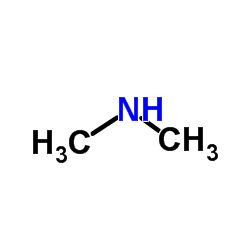 CAS#:124-40-3
 CAS#:124-38-9
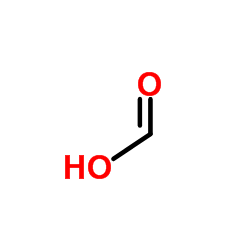 CAS#:64-18-6
 CAS#:3585-33-9
 CAS#:506-59-2
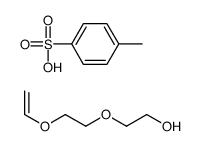 CAS#:117731-86-9
 CAS#:107-31-3
 CAS#:75-50-3
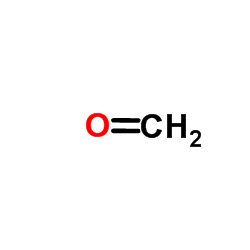 CAS#:50-00-0
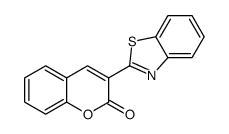 CAS#:1032-98-0
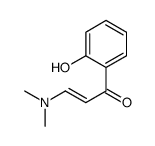 CAS#:106129-86-6
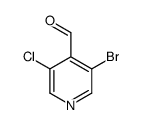 CAS#:1064678-66-5
 CAS#:10045-65-5
![Furo[3,2-c]pyridine-2-carboxaldehyde (9CI) structure](https://image.chemsrc.com/caspic/074/112372-07-3.png) CAS#:112372-07-3
CAS#:112372-07-3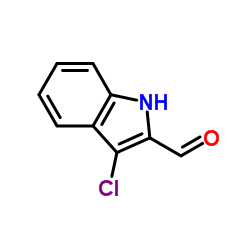 CAS#:110912-15-7
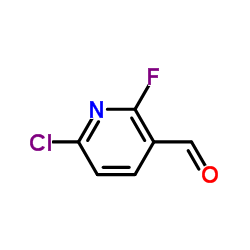 CAS#:1093880-37-5
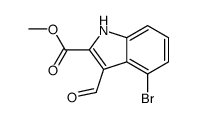 CAS#:1079252-75-7
![Furo[3,2-b]pyridine-2-carboxaldehyde (9CI) structure](https://image.chemsrc.com/caspic/150/112372-05-1.png) CAS#:112372-05-1
CAS#:112372-05-1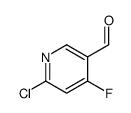 CAS#:1060809-20-2