CHEMICAL IDENTIFICATION
-
RTECS NUMBER :
-
TZ2975000
-
CHEMICAL NAME :
-
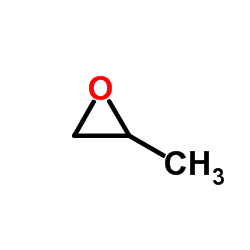
Propane, 1,2-epoxy-
-
CAS REGISTRY NUMBER :
-
75-56-9
-
BEILSTEIN REFERENCE NO. :
-
0079763
-
LAST UPDATED :
-
199806
-
DATA ITEMS CITED :
-
122
-
MOLECULAR FORMULA :
-
C3-H6-O
-
MOLECULAR WEIGHT :
-
58.09
-
WISWESSER LINE NOTATION :
-
T3OTJ B1
HEALTH HAZARD DATA
ACUTE TOXICITY DATA
-
TYPE OF TEST :
-
Open irritation test
-
ROUTE OF EXPOSURE :
-
Administration onto the skin
-
SPECIES OBSERVED :
-
Rodent - rabbit
-
TYPE OF TEST :
-
Standard Draize test
-
ROUTE OF EXPOSURE :
-
Administration onto the skin
-
SPECIES OBSERVED :
-
Rodent - rabbit
-
TYPE OF TEST :
-
Standard Draize test
-
ROUTE OF EXPOSURE :
-
Administration into the eye
-
SPECIES OBSERVED :
-
Rodent - rabbit
-
TYPE OF TEST :
-
Standard Draize test
-
ROUTE OF EXPOSURE :
-
Administration into the eye
-
SPECIES OBSERVED :
-
Rodent - rabbit
-
TYPE OF TEST :
-
TCLo - Lowest published toxic concentration
-
ROUTE OF EXPOSURE :
-
Inhalation
-
SPECIES OBSERVED :
-
Human - man
-
DOSE/DURATION :
-
1400 gm/m3/10M
-
TOXIC EFFECTS :
-
Behavioral - somnolence (general depressed activity) Behavioral - headache Gastrointestinal - nausea or vomiting
-
TYPE OF TEST :
-
LD50 - Lethal dose, 50 percent kill
-
ROUTE OF EXPOSURE :
-
Oral
-
SPECIES OBSERVED :
-
Rodent - rat
-
DOSE/DURATION :
-
380 mg/kg
-
TOXIC EFFECTS :
-
Behavioral - excitement Behavioral - ataxia Lungs, Thorax, or Respiration - respiratory stimulation
-
TYPE OF TEST :
-
LC50 - Lethal concentration, 50 percent kill
-
ROUTE OF EXPOSURE :
-
Inhalation
-
SPECIES OBSERVED :
-
Rodent - rat
-
DOSE/DURATION :
-
4000 ppm/4H
-
TOXIC EFFECTS :
-
Sense Organs and Special Senses (Olfaction) - effect, not otherwise specified Sense Organs and Special Senses (Eye) - lacrimation Lungs, Thorax, or Respiration - dyspnea
-
TYPE OF TEST :
-
LD50 - Lethal dose, 50 percent kill
-
ROUTE OF EXPOSURE :
-
Intraperitoneal
-
SPECIES OBSERVED :
-
Rodent - rat
-
DOSE/DURATION :
-
150 mg/kg
-
TOXIC EFFECTS :
-
Details of toxic effects not reported other than lethal dose value
-
TYPE OF TEST :
-
LD50 - Lethal dose, 50 percent kill
-
ROUTE OF EXPOSURE :
-
Oral
-
SPECIES OBSERVED :
-
Rodent - mouse
-
DOSE/DURATION :
-
440 mg/kg
-
TOXIC EFFECTS :
-
Behavioral - excitement Behavioral - ataxia Lungs, Thorax, or Respiration - respiratory stimulation
-
TYPE OF TEST :
-
LC50 - Lethal concentration, 50 percent kill
-
ROUTE OF EXPOSURE :
-
Inhalation
-
SPECIES OBSERVED :
-
Rodent - mouse
-
DOSE/DURATION :
-
1740 ppm/4H
-
TOXIC EFFECTS :
-
Sense Organs and Special Senses (Olfaction) - effect, not otherwise specified Lungs, Thorax, or Respiration - dyspnea Gastrointestinal - changes in structure or function of salivary glands
-
TYPE OF TEST :
-
LD50 - Lethal dose, 50 percent kill
-
ROUTE OF EXPOSURE :
-
Intraperitoneal
-
SPECIES OBSERVED :
-
Rodent - mouse
-
DOSE/DURATION :
-
175 mg/kg
-
TOXIC EFFECTS :
-
Details of toxic effects not reported other than lethal dose value
-
TYPE OF TEST :
-
LCLo - Lowest published lethal concentration
-
ROUTE OF EXPOSURE :
-
Inhalation
-
SPECIES OBSERVED :
-
Mammal - dog
-
DOSE/DURATION :
-
2005 ppm/4H
-
TOXIC EFFECTS :
-
Sense Organs and Special Senses (Olfaction) - effect, not otherwise specified Sense Organs and Special Senses (Eye) - lacrimation Gastrointestinal - nausea or vomiting
-
TYPE OF TEST :
-
LD50 - Lethal dose, 50 percent kill
-
ROUTE OF EXPOSURE :
-
Administration onto the skin
-
SPECIES OBSERVED :
-
Rodent - rabbit
-
DOSE/DURATION :
-
1500 uL/kg
-
TOXIC EFFECTS :
-
Details of toxic effects not reported other than lethal dose value
-
TYPE OF TEST :
-
LD50 - Lethal dose, 50 percent kill
-
ROUTE OF EXPOSURE :
-
Oral
-
SPECIES OBSERVED :
-
Rodent - guinea pig
-
DOSE/DURATION :
-
660 mg/kg
-
TOXIC EFFECTS :
-
Behavioral - somnolence (general depressed activity) Liver - other changes Kidney, Ureter, Bladder - other changes
-
TYPE OF TEST :
-
LCLo - Lowest published lethal concentration
-
ROUTE OF EXPOSURE :
-
Inhalation
-
SPECIES OBSERVED :
-
Rodent - guinea pig
-
DOSE/DURATION :
-
4000 ppm/4H
-
TOXIC EFFECTS :
-
Sense Organs and Special Senses (Eye) - iritis Behavioral - muscle weakness Lungs, Thorax, or Respiration - dyspnea
-
TYPE OF TEST :
-
LD50 - Lethal dose, 50 percent kill
-
ROUTE OF EXPOSURE :
-
Oral
-
SPECIES OBSERVED :
-
Mammal - species unspecified
-
DOSE/DURATION :
-
440 mg/kg
-
TOXIC EFFECTS :
-
Details of toxic effects not reported other than lethal dose value
-
TYPE OF TEST :
-
TDLo - Lowest published toxic dose
-
ROUTE OF EXPOSURE :
-
Oral
-
SPECIES OBSERVED :
-
Rodent - rat
-
DOSE/DURATION :
-
1170 mg/kg/45D-I
-
TOXIC EFFECTS :
-
Brain and Coverings - other degenerative changes Liver - other changes Blood - other changes
-
TYPE OF TEST :
-
TCLo - Lowest published toxic concentration
-
ROUTE OF EXPOSURE :
-
Inhalation
-
SPECIES OBSERVED :
-
Rodent - rat
-
DOSE/DURATION :
-
457 ppm/7H/28W-I
-
TOXIC EFFECTS :
-
Sense Organs and Special Senses (Eye) - effect, not otherwise specified Lungs, Thorax, or Respiration - fibrosis, focal (pneumoconiosis) Related to Chronic Data - death
-
TYPE OF TEST :
-
TCLo - Lowest published toxic concentration
-
ROUTE OF EXPOSURE :
-
Inhalation
-
SPECIES OBSERVED :
-
Rodent - rat
-
DOSE/DURATION :
-
1433 ppm/6H/12D-I
-
TOXIC EFFECTS :
-
Lungs, Thorax, or Respiration - dyspnea Gastrointestinal - hypermotility, diarrhea Related to Chronic Data - death
-
TYPE OF TEST :
-
TCLo - Lowest published toxic concentration
-
ROUTE OF EXPOSURE :
-
Inhalation
-
SPECIES OBSERVED :
-
Rodent - rat
-
DOSE/DURATION :
-
25 mg/m3/4H/26W-I
-
TOXIC EFFECTS :
-
Brain and Coverings - changes in surface EEG Brain and Coverings - other degenerative changes Vascular - BP lowering not characterized in autonomic section
-
TYPE OF TEST :
-
TCLo - Lowest published toxic concentration
-
ROUTE OF EXPOSURE :
-
Inhalation
-
SPECIES OBSERVED :
-
Rodent - rat
-
DOSE/DURATION :
-
529 ppm/6H/4W-I
-
TOXIC EFFECTS :
-
Sense Organs and Special Senses (Olfaction) - effect, not otherwise specified
-
TYPE OF TEST :
-
TCLo - Lowest published toxic concentration
-
ROUTE OF EXPOSURE :
-
Inhalation
-
SPECIES OBSERVED :
-
Rodent - rat
-
DOSE/DURATION :
-
997 ppm/6H
-
TOXIC EFFECTS :
-
Cardiac - changes in heart weight Lungs, Thorax, or Respiration - structural or functional change in trachea or bronchi Nutritional and Gross Metabolic - weight loss or decreased weight gain
-
TYPE OF TEST :
-
TCLo - Lowest published toxic concentration
-
ROUTE OF EXPOSURE :
-
Inhalation
-
SPECIES OBSERVED :
-
Rodent - mouse
-
DOSE/DURATION :
-
125 ppm/6H/13W-I
-
TOXIC EFFECTS :
-
Related to Chronic Data - death
-
TYPE OF TEST :
-
TCLo - Lowest published toxic concentration
-
ROUTE OF EXPOSURE :
-
Inhalation
-
SPECIES OBSERVED :
-
Rodent - guinea pig
-
DOSE/DURATION :
-
457 ppm/7H/22W-I
-
TOXIC EFFECTS :
-
Sense Organs and Special Senses (Eye) - effect, not otherwise specified Lungs, Thorax, or Respiration - changes in lung weight Nutritional and Gross Metabolic - weight loss or decreased weight gain
-
TYPE OF TEST :
-
TDLo - Lowest published toxic dose
-
ROUTE OF EXPOSURE :
-
Oral
-
SPECIES OBSERVED :
-
Rodent - rat
-
DOSE/DURATION :
-
10798 mg/kg/2Y-I
-
TOXIC EFFECTS :
-
Tumorigenic - Carcinogenic by RTECS criteria Gastrointestinal - tumors
-
TYPE OF TEST :
-
TCLo - Lowest published toxic concentration
-
ROUTE OF EXPOSURE :
-
Inhalation
-
SPECIES OBSERVED :
-
Rodent - mouse
-
DOSE/DURATION :
-
400 ppm/6H/2Y-I
-
TOXIC EFFECTS :
-
Tumorigenic - Carcinogenic by RTECS criteria Sense Organs and Special Senses (Olfaction) - tumors
-
TYPE OF TEST :
-
TCLo - Lowest published toxic concentration
-
ROUTE OF EXPOSURE :
-
Inhalation
-
SPECIES OBSERVED :
-
Rodent - rat
-
DOSE/DURATION :
-
100 ppm/7H/2Y-I
-
TOXIC EFFECTS :
-
Tumorigenic - neoplastic by RTECS criteria Endocrine - tumors
-
TYPE OF TEST :
-
TDLo - Lowest published toxic dose
-
ROUTE OF EXPOSURE :
-
Subcutaneous
-
SPECIES OBSERVED :
-
Rodent - rat
-
DOSE/DURATION :
-
1500 mg/kg/46W-I
-
TOXIC EFFECTS :
-
Tumorigenic - equivocal tumorigenic agent by RTECS criteria Tumorigenic - facilitates action of known carcinogen
-
TYPE OF TEST :
-
TCLo - Lowest published toxic concentration
-
ROUTE OF EXPOSURE :
-
Inhalation
-
SPECIES OBSERVED :
-
Rodent - mouse
-
DOSE/DURATION :
-
400 ppm/6H/2Y-I
-
TOXIC EFFECTS :
-
Tumorigenic - Carcinogenic by RTECS criteria Sense Organs and Special Senses (Olfaction) - tumors
-
TYPE OF TEST :
-
TDLo - Lowest published toxic dose
-
ROUTE OF EXPOSURE :
-
Subcutaneous
-
SPECIES OBSERVED :
-
Rodent - mouse
-
DOSE/DURATION :
-
272 mg/kg/95W-I
-
TOXIC EFFECTS :
-
Tumorigenic - Carcinogenic by RTECS criteria Blood - lymphoma, including Hodgkin's disease Tumorigenic - tumors at site of application
-
TYPE OF TEST :
-
TD - Toxic dose (other than lowest)
-
ROUTE OF EXPOSURE :
-
Subcutaneous
-
SPECIES OBSERVED :
-
Rodent - mouse
-
DOSE/DURATION :
-
3640 mg/kg/91W-I
-
TOXIC EFFECTS :
-
Tumorigenic - neoplastic by RTECS criteria Blood - lymphoma, including Hodgkin's disease Tumorigenic - tumors at site of application
-
TYPE OF TEST :
-
TD - Toxic dose (other than lowest)
-
ROUTE OF EXPOSURE :
-
Subcutaneous
-
SPECIES OBSERVED :
-
Rodent - mouse
-
DOSE/DURATION :
-
868 mg/kg/95W-I
-
TOXIC EFFECTS :
-
Tumorigenic - Carcinogenic by RTECS criteria Blood - lymphoma, including Hodgkin's disease Tumorigenic - tumors at site of application
-
TYPE OF TEST :
-
TD - Toxic dose (other than lowest)
-
ROUTE OF EXPOSURE :
-
Subcutaneous
-
SPECIES OBSERVED :
-
Rodent - mouse
-
DOSE/DURATION :
-
2912 mg/kg/95W-I
-
TOXIC EFFECTS :
-
Tumorigenic - Carcinogenic by RTECS criteria Blood - lymphoma, including Hodgkin's disease Tumorigenic - tumors at site of application
-
TYPE OF TEST :
-
TD - Toxic dose (other than lowest)
-
ROUTE OF EXPOSURE :
-
Subcutaneous
-
SPECIES OBSERVED :
-
Rodent - mouse
-
DOSE/DURATION :
-
6616 mg/kg/95W-I
-
TOXIC EFFECTS :
-
Tumorigenic - Carcinogenic by RTECS criteria Blood - lymphoma, including Hodgkin's disease Tumorigenic - tumors at site of application
-
TYPE OF TEST :
-
TD - Toxic dose (other than lowest)
-
ROUTE OF EXPOSURE :
-
Oral
-
SPECIES OBSERVED :
-
Rodent - rat
-
DOSE/DURATION :
-
2714 mg/kg/2Y-I
-
TOXIC EFFECTS :
-
Tumorigenic - equivocal tumorigenic agent by RTECS criteria Gastrointestinal - tumors
-
TYPE OF TEST :
-
TC - Toxic concentration (other than lowest)
-
ROUTE OF EXPOSURE :
-
Inhalation
-
SPECIES OBSERVED :
-
Rodent - rat
-
DOSE/DURATION :
-
400 ppm/6H/2Y-I
-
TOXIC EFFECTS :
-
Tumorigenic - equivocal tumorigenic agent by RTECS criteria Sense Organs and Special Senses (Olfaction) - tumors
-
TYPE OF TEST :
-
TC - Toxic concentration (other than lowest)
-
ROUTE OF EXPOSURE :
-
Inhalation
-
SPECIES OBSERVED :
-
Rodent - rat
-
DOSE/DURATION :
-
300 ppm/6H/2.3Y-I
-
TOXIC EFFECTS :
-
Tumorigenic - neoplastic by RTECS criteria Skin and Appendages - tumors
-
TYPE OF TEST :
-
TCLo - Lowest published toxic concentration
-
ROUTE OF EXPOSURE :
-
Inhalation
-
DOSE :
-
500 ppm/7H
-
SEX/DURATION :
-
female 7-16 day(s) after conception
-
TOXIC EFFECTS :
-
Reproductive - Effects on Embryo or Fetus - fetotoxicity (except death, e.g., stunted fetus) Reproductive - Specific Developmental Abnormalities - musculoskeletal system
-
TYPE OF TEST :
-
TCLo - Lowest published toxic concentration
-
ROUTE OF EXPOSURE :
-
Inhalation
-
DOSE :
-
500 ppm/7H
-
SEX/DURATION :
-
female 1-16 day(s) after conception
-
TOXIC EFFECTS :
-
Reproductive - Specific Developmental Abnormalities - craniofacial (including nose and tongue)
-
TYPE OF TEST :
-
TCLo - Lowest published toxic concentration
-
ROUTE OF EXPOSURE :
-
Inhalation
-
DOSE :
-
500 ppm/7H
-
SEX/DURATION :
-
female 15 day(s) pre-mating female 1-16 day(s) after conception
-
TOXIC EFFECTS :
-
Reproductive - Fertility - pre-implantation mortality (e.g. reduction in number of implants per female; total number of implants per corpora lutea) Reproductive - Fertility - litter size (e.g. # fetuses per litter; measured before birth) Reproductive - Fertility - other measures of fertility
-
TYPE OF TEST :
-
TCLo - Lowest published toxic concentration
-
ROUTE OF EXPOSURE :
-
Inhalation
-
DOSE :
-
100 ppm/7H
-
SEX/DURATION :
-
male 2 year(s) pre-mating
-
TOXIC EFFECTS :
-
Reproductive - Paternal Effects - spermatogenesis (incl. genetic material, sperm morphology, motility, and count)
-
TYPE OF TEST :
-
Sex chromosome loss and nondisjunction
-
TYPE OF TEST :
-
Sex chromosome loss and nondisjunction
-
TYPE OF TEST :
-
Sex chromosome loss and nondisjunction
-
TYPE OF TEST :
-
Heritable translocation test
-
TYPE OF TEST :
-
Dominant lethal test
-
TYPE OF TEST :
-
Micronucleus test
-
TYPE OF TEST :
-
Cytogenetic analysis
-
TYPE OF TEST :
-
Sister chromatid exchange
MUTATION DATA
-
TYPE OF TEST :
-
DNA adduct
-
TEST SYSTEM :
-
Mammal - species unspecified Lymphocyte
-
REFERENCE :
-
CBINA8 Chemico-Biological Interactions. (Elsevier Scientific Pub. Ireland Ltd., POB 85, Limerick, Ireland) V.1- 1969- Volume(issue)/page/year: 67,275,1988 *** REVIEWS *** ACGIH TLV-Animal carcinogen DTLVS* The Threshold Limit Values (TLVs) and Biological Exposure Indices (BEIs) booklet issues by American Conference of Governmental Industrial Hygienists (ACGIH), Cincinnati, OH, 1996 Volume(issue)/page/year: TLV/BEI,1997 ACGIH TLV-TWA 48 mg/m3 (20 ppm) DTLVS* The Threshold Limit Values (TLVs) and Biological Exposure Indices (BEIs) booklet issues by American Conference of Governmental Industrial Hygienists (ACGIH), Cincinnati, OH, 1996 Volume(issue)/page/year: TLV/BEI,1997 IARC Cancer Review:Animal Sufficient Evidence IMEMDT IARC Monographs on the Evaluation of Carcinogenic Risk of Chemicals to Man. (WHO Publications Centre USA, 49 Sheridan Ave., Albany, NY 12210) V.1- 1972- Volume(issue)/page/year: 36,227,1985 IARC Cancer Review:Animal Sufficient Evidence IMEMDT IARC Monographs on the Evaluation of Carcinogenic Risk of Chemicals to Man. (WHO Publications Centre USA, 49 Sheridan Ave., Albany, NY 12210) V.1- 1972- Volume(issue)/page/year: 60,181,1994 IARC Cancer Review:Human Inadequate Evidence IMEMDT IARC Monographs on the Evaluation of Carcinogenic Risk of Chemicals to Man. (WHO Publications Centre USA, 49 Sheridan Ave., Albany, NY 12210) V.1- 1972- Volume(issue)/page/year: 36,227,1985 IARC Cancer Review:Human Inadequate Evidence IMEMDT IARC Monographs on the Evaluation of Carcinogenic Risk of Chemicals to Man. (WHO Publications Centre USA, 49 Sheridan Ave., Albany, NY 12210) V.1- 1972- Volume(issue)/page/year: 60,181,1994 IARC Cancer Review:Group 2B IMEMDT IARC Monographs on the Evaluation of Carcinogenic Risk of Chemicals to Man. (WHO Publications Centre USA, 49 Sheridan Ave., Albany, NY 12210) V.1- 1972- Volume(issue)/page/year: 60,181,1994 *** U.S. STANDARDS AND REGULATIONS *** EPA FIFRA 1988 PESTICIDE SUBJECT TO REGISTRATION OR RE-REGISTRATION FEREAC Federal Register. (U.S. Government Printing Office, Supt. of Documents, Washington, DC 20402) V.1- 1936- Volume(issue)/page/year: 54,7740,1989 MSHA STANDARD-air:TWA 100 ppm (240 mg/m3) DTLVS* The Threshold Limit Values (TLVs) and Biological Exposure Indices (BEIs) booklet issues by American Conference of Governmental Industrial Hygienists (ACGIH), Cincinnati, OH, 1996 Volume(issue)/page/year: 3,219,1971 OSHA PEL (Gen Indu):8H TWA 100 ppm (240 mg/m3) CFRGBR Code of Federal Regulations. (U.S. Government Printing Office, Supt. of Documents, Washington, DC 20402) Volume(issue)/page/year: 29,1910.1000,1994 OSHA PEL (Construc):8H TWA 100 ppm (240 mg/m3) CFRGBR Code of Federal Regulations. (U.S. Government Printing Office, Supt. of Documents, Washington, DC 20402) Volume(issue)/page/year: 29,1926.55,1994 OSHA PEL (Shipyard):8H TWA 100 ppm (240 mg/m3) CFRGBR Code of Federal Regulations. (U.S. Government Printing Office, Supt. of Documents, Washington, DC 20402) Volume(issue)/page/year: 29,1915.1000,1993 OSHA PEL (Fed Cont):8H TWA 100 ppm (240 mg/m3) CFRGBR Code of Federal Regulations. (U.S. Government Printing Office, Supt. of Documents, Washington, DC 20402) Volume(issue)/page/year: 41,50-204.50,1994 *** OCCUPATIONAL EXPOSURE LIMITS *** OEL-AUSTRALIA:TWA 20 ppm (50 mg/m3);Carcinogen JAN 1993 OEL-BELGIUM:TWA 20 ppm (48 mg/m3) JAN 1993 OEL-DENMARK:TWA 5 ppm (12 mg/m3);Skin;Carcinogen JAN 1993 OEL-FINLAND:TWA 5 ppm (12 mg/m3);Carcinogen JAN 1993 OEL-FRANCE:TWA 20 ppm (50 mg/m3) JAN 1993 OEL-GERMANY;Carcinogen JAN 1993 OEL-THE NETHERLANDS:TWA 100 ppm (240 mg/m3) JAN 1993 OEL-THE PHILIPPINES:TWA 100 ppm (240 mg/m3) JAN 1993 OEL-RUSSIA:STEL 1 mg/m3;Skin JAN 1993 OEL-SWEDEN:TWA 5 ppm (12 mg/m3);STEL 10 ppm (25 mg/m3) JAN 1993 OEL-SWITZERLAND:TWA 2.5 ppm (6 mg/m3);Carcinogen JAN 1993 OEL-TURKEY:TWA 100 ppm (240 mg/m3) JAN 1993 OEL-UNITED KINGDOM:TWA 20 ppm (50 mg/m3);STEL 100 ppm JAN 1993 OEL IN BULGARIA, COLOMBIA, JORDAN, KOREA check ACGIH TLV OEL IN NEW ZEALAND, SINGAPORE, VIETNAM check ACGIH TLV *** NIOSH STANDARDS DEVELOPMENT AND SURVEILLANCE DATA *** NIOSH RECOMMENDED EXPOSURE LEVEL (REL) : NIOSH REL TO PROPYLENE OXIDE-air:CA lowest feasible concentrtion REFERENCE : NIOSH* National Institute for Occupational Safety and Health, U.S. Dept. of Health, Education, and Welfare, Reports and Memoranda. Volume(issue)/page/year: DHHS #92-100,1992 NIOSH OCCUPATIONAL EXPOSURE SURVEY DATA : NOHS - National Occupational Hazard Survey (1974) NOHS Hazard Code - 63550 No. of Facilities: 9032 (estimated) No. of Industries: 78 No. of Occupations: 60 No. of Employees: 75135 (estimated) NOES - National Occupational Exposure Survey (1983) NOES Hazard Code - 63550 No. of Facilities: 5786 (estimated) No. of Industries: 57 No. of Occupations: 67 No. of Employees: 421140 (estimated) No. of Female Employees: 317309 (estimated)
|


 CAS#:187737-37-7
 CAS#:311-86-4
 CAS#:74-98-6
 CAS#:3071-32-7
 CAS#:67-56-1
 CAS#:34557-54-5
 CAS#:124-38-9
 CAS#:78-75-1
 CAS#:19686-73-8
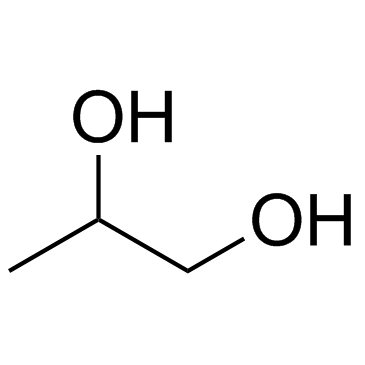 CAS#:57-55-6
 CAS#:4203-80-9
 CAS#:109605-04-1
 CAS#:109605-10-9
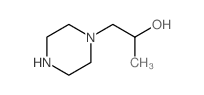 CAS#:1074-54-0
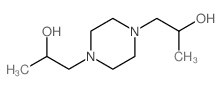 CAS#:7672-76-6
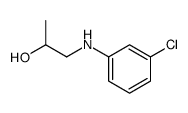 CAS#:111609-82-6
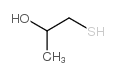 CAS#:1068-47-9
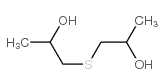 CAS#:6704-15-0
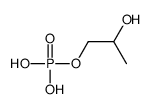 CAS#:10602-14-9
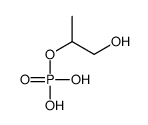 CAS#:14807-82-0