tert-Butyl Hydroperoxide
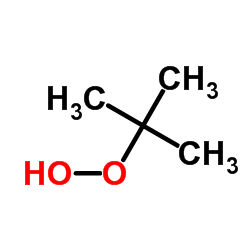
tert-Butyl Hydroperoxide structure
|
Common Name | tert-Butyl Hydroperoxide | ||
|---|---|---|---|---|
| CAS Number | 75-91-2 | Molecular Weight | 90.121 | |
| Density | 0.9±0.1 g/cm3 | Boiling Point | 120.4±9.0 °C at 760 mmHg | |
| Molecular Formula | C4H10O2 | Melting Point | -2.8 °C | |
| MSDS | Chinese USA | Flash Point | 35.0±0.0 °C | |
| Symbol |


GHS02, GHS05, GHS06, GHS08, GHS09 |
Signal Word | Danger | |
This table lists Chinese names, IUPAC names and various aliases of this chemical substance.
| Name | tert-butyl hydroperoxide |
|---|---|
| Synonym | More Synonyms |
This table shows physicochemical parameters including melting point, boiling point, density, solubility and optical rotation. Missing data is marked as N/A.
| Density | 0.9±0.1 g/cm3 |
|---|---|
| Boiling Point | 120.4±9.0 °C at 760 mmHg |
| Melting Point | -2.8 °C |
| Molecular Formula | C4H10O2 |
| Molecular Weight | 90.121 |
| Flash Point | 35.0±0.0 °C |
| Exact Mass | 90.068077 |
| PSA | 29.46000 |
| LogP | 1.38 |
| Vapour Pressure | 7.4±0.5 mmHg at 25°C |
| Index of Refraction | 1.399 |
| InChIKey | CIHOLLKRGTVIJN-UHFFFAOYSA-N |
| SMILES | CC(C)(C)OO |
| Stability | Stable, but may explode if heated under confinement. Decomposition may be accelerated by traces of metals, molecular sieve or other contaminants. Incompatible with reducing agents, combustible material, acids. |
| Water Solubility | Miscible |
This table provides MSDS information including hazard classification, first‑aid, fire‑fighting, spill handling, operation and storage instructions.
This table summarizes toxicological test data, acute & chronic toxicity and ecological hazard parameters for this chemical.
CHEMICAL IDENTIFICATION
HEALTH HAZARD DATAACUTE TOXICITY DATA
MUTATION DATA
|
This table covers safety warnings, protective measures, incompatible substances and disposal guidelines for this compound.
| Symbol |
GHS02, GHS05, GHS06, GHS08, GHS09 |
|---|---|
| Signal Word | Danger |
| Hazard Statements | H226-H242-H302-H304-H311 + H331-H314-H317-H336-H341-H410 |
| Precautionary Statements | P210-P234-P280-P301 + P310-P303 + P361 + P353-P304 + P340 + P310-P305 + P351 + P338-P331-P403 + P233 |
| Personal Protective Equipment | Faceshields;full-face respirator (US);Gloves;Goggles;multi-purpose combination respirator cartridge (US);type ABEK (EN14387) respirator filter |
| Hazard Codes | C:Corrosive |
| Risk Phrases | R10;R20/21/22;R34;R43;R52/53;R7 |
| Safety Phrases | S14-S3/7-S61-S45-S36/37/39-S24-S17-S16-S14A-S26-S62 |
| RIDADR | UN 3109 5.2 |
| WGK Germany | 3 |
| RTECS | EQ4900000 |
| Packaging Group | II |
| Hazard Class | 5.2 |
This table presents publicly reported synthetic routes, reaction conditions, reactants and product information of the compound.
This table lists upstream starting materials and downstream derivative products related to this chemical.
| Precursor 9 | |
|---|---|
| DownStream 10 | |
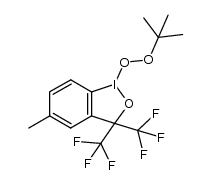 CAS#:187939-68-0
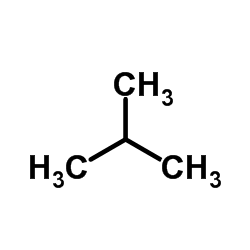 CAS#:75-28-5
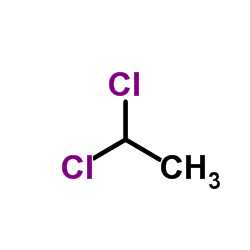 CAS#:75-34-3
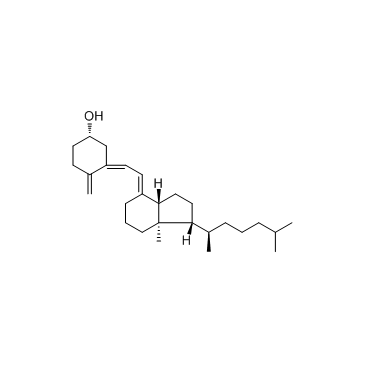 CAS#:67-97-0
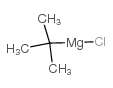 CAS#:677-22-5
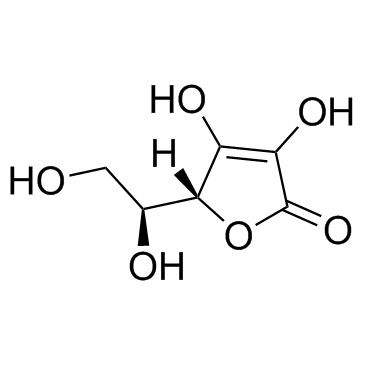 CAS#:50-81-7
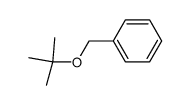 CAS#:3459-80-1
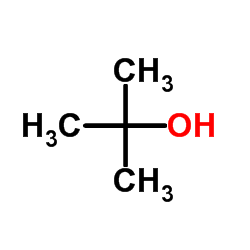 CAS#:75-65-0
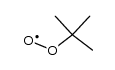 CAS#:3395-62-8
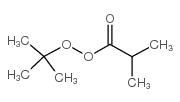 CAS#:109-13-7
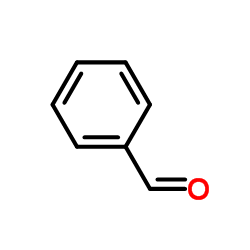 CAS#:100-52-7
 CAS#:67-64-1
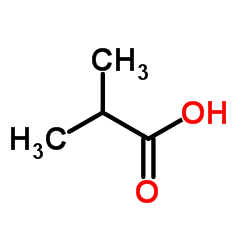 CAS#:79-31-2
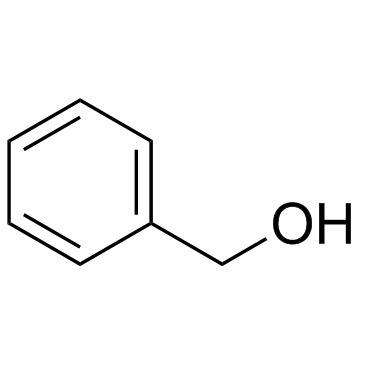 CAS#:100-51-6
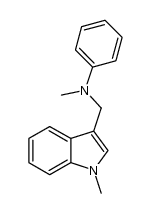 CAS#:1421259-27-9
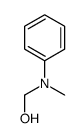 CAS#:105804-97-5
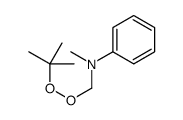 CAS#:52866-87-2
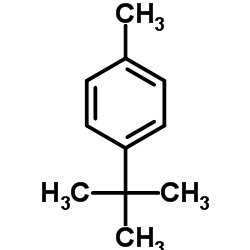 CAS#:98-51-1
This table lists relevant public references with title, journal and publication metadata for this compound.
|
bFGF attenuates endoplasmic reticulum stress and mitochondrial injury on myocardial ischaemia/reperfusion via activation of PI3K/Akt/ERK1/2 pathway.
J. Cell. Mol. Med. 19(3) , 595-607, (2015) Extensive research focused on finding effective strategies to prevent or improve recovery from myocardial ischaemia/reperfusion (I/R) injury. Basic fibroblast growth factor (bFGF) has been shown to ha... |
|
|
Synthesis of PS/PO-chimeric oligonucleotides using mixed oxathiaphospholane and phosphoramidite chemistry.
Org. Biomol. Chem. 13(1) , 269-76, (2014) Chimeric oligonucleotides containing phosphodiester and phosphorothioate linkages have been obtained using the solid phase synthesis. The oligonucleotide parts possessing natural internucleotide phosp... |
|
|
Biocompatibility evaluation of porous ceria foams for orthopedic tissue engineering.
J. Biomed. Mater. Res. A 103(1) , 8-15, (2014) Ceria ceramics have the unique ability to protect cells from free radical-induced damage, making them materials of interest for biomedical applications. To expand upon the understanding of the potenti... |
This table contains target information, in‑vitro & in‑vivo assay data for this compound.
This table collects all English aliases, systematic names and CAS‑related synonyms of the compound.
| 2-hydroperoxy-2-methylpropane |
| MFCD00002130 |
| EINECS 200-915-7 |
| tert-Butyl hydroperoxide |
This section contains frequently‑asked‑questions about this compound, including basic parameters, properties, storage conditions and corresponding answers.
| Q: What English synonyms does tert-butyl hydroperoxide have? |
| A: English synonyms of tert-butyl hydroperoxide: 2-hydroperoxy-2-methylpropane, MFCD00002130, EINECS 200-915-7, tert-Butyl hydroperoxide. |
| Q: What is the InChIKey of tert-butyl hydroperoxide? |
| A: InChIKey of tert-butyl hydroperoxide is CIHOLLKRGTVIJN-UHFFFAOYSA-N. |
| Q: What is the molecular formula of tert-butyl hydroperoxide? |
| A: Molecular formula of tert-butyl hydroperoxide is C4H10O2. |
| Q: What are the upstream materials of tert-butyl hydroperoxide? |
| A: Related upstream materials(CAS) of tert-butyl hydroperoxide: 187939-68-0;75-28-5;75-34-3;67-97-0;677-22-5;50-81-7;3459-80-1;75-65-0;3395-62-8. |
| Q: What are the downstream products of tert-butyl hydroperoxide? |
| A: Related downstream products(CAS) of tert-butyl hydroperoxide: 109-13-7;100-52-7;67-64-1;79-31-2;100-51-6;75-65-0;1421259-27-9;105804-97-5;52866-87-2;98-51-1. |
| Q: What is the CAS number of tert-butyl hydroperoxide? |
| A: CAS number of tert-butyl hydroperoxide is 75-91-2. |
| Q: What is the LogP of tert-butyl hydroperoxide? |
| A: LogP of tert-butyl hydroperoxide is 1.38. |
| Q: What is the English name of tert-butyl hydroperoxide? |
| A: The English name of tert-butyl hydroperoxide is tert-butyl hydroperoxide. |
| Q: What is the SMILES notation of tert-butyl hydroperoxide? |
| A: SMILES notation of tert-butyl hydroperoxide is CC(C)(C)OO. |
| Q: What is the melting point of tert-butyl hydroperoxide? |
| A: Melting point of tert-butyl hydroperoxide is -2.8 °C. |
This table lists manufacturers and suppliers of this compound, including vendor names and product supply reference information.
| Shanghai Nianxing Industrial Co., Ltd |
| Dayang Chem (Hangzhou) Co., Ltd. |
| Henan Tianfu Chemical Co., Ltd. |