Mecoprop
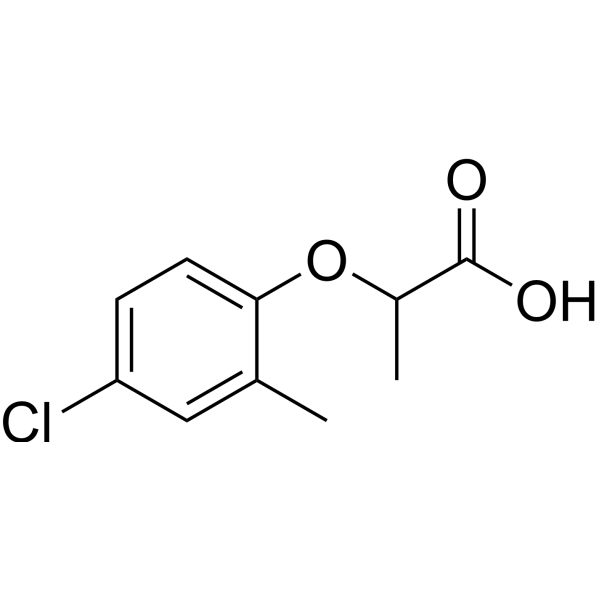
Mecoprop structure
|
Common Name | Mecoprop | ||
|---|---|---|---|---|
| CAS Number | 93-65-2 | Molecular Weight | 214.65 | |
| Density | 1.3±0.1 g/cm3 | Boiling Point | 331.9±27.0 °C at 760 mmHg | |
| Molecular Formula | C10H11ClO3 | Melting Point | 88-90ºC | |
| MSDS | N/A | Flash Point | 154.5±23.7 °C | |
Use of MecopropMecoprop is a herbicide[1]. |
This table lists Chinese names, IUPAC names and various aliases of this chemical substance.
| Name | 2-(4-chloro-2-methylphenoxy)propanoic acid |
|---|---|
| Synonym | More Synonyms |
This table contains bioactivity, target information and biological‑assay experimental data of this compound.
| Description | Mecoprop is a herbicide[1]. |
|---|---|
| Related Catalog | |
| In Vitro | Mecoprop (6.25 和 62.5 μM) 可提高卵母细胞孵育培养基中睾酮 (62.5 μM) 和雌二醇 (6.25 μM) 浓度[1]。 |
| References |
This table shows physicochemical parameters including melting point, boiling point, density, solubility and optical rotation. Missing data is marked as N/A.
| Density | 1.3±0.1 g/cm3 |
|---|---|
| Boiling Point | 331.9±27.0 °C at 760 mmHg |
| Melting Point | 88-90ºC |
| Molecular Formula | C10H11ClO3 |
| Molecular Weight | 214.65 |
| Flash Point | 154.5±23.7 °C |
| Exact Mass | 214.039673 |
| PSA | 46.53000 |
| LogP | 2.84 |
| Vapour Pressure | 0.0±0.8 mmHg at 25°C |
| Index of Refraction | 1.542 |
| InChIKey | WNTGYJSOUMFZEP-UHFFFAOYSA-N |
| SMILES | Cc1cc(Cl)ccc1OC(C)C(=O)O |
| Storage condition | APPROX 4°C |
This table provides MSDS information including hazard classification, first‑aid, fire‑fighting, spill handling, operation and storage instructions.
This table summarizes toxicological test data, acute & chronic toxicity and ecological hazard parameters for this chemical.
CHEMICAL IDENTIFICATION
HEALTH HAZARD DATAACUTE TOXICITY DATA
MUTATION DATA
|
This table covers safety warnings, protective measures, incompatible substances and disposal guidelines for this compound.
| Hazard Codes | Xn,N |
|---|---|
| Risk Phrases | R22;R38;R41; |
| Safety Phrases | S26;S37/S39 |
| Hazard Class | 3.2 |
| HS Code | 2918990022 |
This table presents publicly reported synthetic routes, reaction conditions, reactants and product information of the compound.
|
~%
Mecoprop CAS#:93-65-2 |
| Literature: Contributions from Boyce Thompson Institute, , vol. 14, p. 91,95, 96 Chem.Abstr., , p. 1473 |
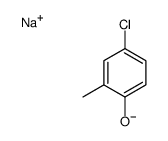
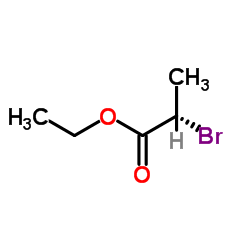
This table lists upstream starting materials and downstream derivative products related to this chemical.
| Precursor 2 | |
|---|---|
| DownStream 5 | |
![[1-cyanoethyl(dimethyl)silyl] 2-(4-chloro-2-methylphenoxy)propanoate structure](https://image.chemsrc.com/caspic/144/106864-97-5.png) CAS#:106864-97-5
CAS#:106864-97-5![2-[2-[2-[2-[2-(4-chloro-2-methylphenoxy)propanoyloxy]ethoxy]ethoxy]ethoxy]ethyl 2-(4-chloro-2-methylphenoxy)propanoate structure](https://image.chemsrc.com/caspic/376/104133-05-3.png) CAS#:104133-05-3
CAS#:104133-05-3 CAS#:13740-38-0
 CAS#:16484-77-8
 CAS#:25333-13-5
This table shows customs‑related data including HS‑code, tariff and regulatory conditions for import and export.
| HS Code | 2918990022 |
|---|---|
| Summary | 2918990022 2-(4-chloro-2-methylphenoxy)acetic acid。supervision conditions:s(import or export registration certificate for pesticides)。VAT:17.0%。tax rebate rate:9.0%。MFN tarrif:6.5%。general tariff:30.0% |
This table collects all English aliases, systematic names and CAS‑related synonyms of the compound.
| 2-MCPP |
| EINECS 202-264-4 |
| 2-(4-Chloro-2-methylphenoxy)propanoic acid |
| MFCD00002648 |
| UNII:74N8TKR9P8 |
| COMPITOX |
| U 46 |
| 2M-4CP |
| Clonotox |
| Propal |
| MCPP |
| 2M4KhP |
| Hymec |
| CMPP |
| 2-(2-Methyl-4-chlorophenoxy)propionic acid |
| Mecoprop |
| Astix |
| Mepro |
| ACTRIL M |
| Anicon P |
This section contains frequently‑asked‑questions about this compound, including basic parameters, properties, storage conditions and corresponding answers.
| Q: What is the InChIKey of 2-(4-chloro-2-methylphenoxy)propanoic acid? |
| A: InChIKey of 2-(4-chloro-2-methylphenoxy)propanoic acid is WNTGYJSOUMFZEP-UHFFFAOYSA-N. |
| Q: What are the uses of 2-(4-chloro-2-methylphenoxy)propanoic acid? |
| A: Main uses of 2-(4-chloro-2-methylphenoxy)propanoic acid: Mecoprop is a herbicide[1]. |
| Q: What English synonyms does 2-(4-chloro-2-methylphenoxy)propanoic acid have? |
| A: English synonyms of 2-(4-chloro-2-methylphenoxy)propanoic acid: 2-MCPP, EINECS 202-264-4, 2-(4-Chloro-2-methylphenoxy)propanoic acid, MFCD00002648, UNII:74N8TKR9P8, COMPITOX, U 46, 2M-4CP, Clonotox, Propal, MCPP, 2M4KhP, Hymec, CMPP, 2-(2-Methyl-4-chlorophenoxy)propionic acid, Mecoprop, Astix, Mepro, ACTRIL M, Anicon P. |
| Q: What is the melting point of 2-(4-chloro-2-methylphenoxy)propanoic acid? |
| A: Melting point of 2-(4-chloro-2-methylphenoxy)propanoic acid is 88-90ºC. |
| Q: What is the molecular formula of 2-(4-chloro-2-methylphenoxy)propanoic acid? |
| A: Molecular formula of 2-(4-chloro-2-methylphenoxy)propanoic acid is C10H11ClO3. |
| Q: What are the downstream products of 2-(4-chloro-2-methylphenoxy)propanoic acid? |
| A: Related downstream products(CAS) of 2-(4-chloro-2-methylphenoxy)propanoic acid: 106864-97-5;104133-05-3;13740-38-0;16484-77-8;25333-13-5. |
| Q: What is the SMILES notation of 2-(4-chloro-2-methylphenoxy)propanoic acid? |
| A: SMILES notation of 2-(4-chloro-2-methylphenoxy)propanoic acid is Cc1cc(Cl)ccc1OC(C)C(=O)O. |
| Q: What are the storage conditions for 2-(4-chloro-2-methylphenoxy)propanoic acid? |
| A: Storage conditions for 2-(4-chloro-2-methylphenoxy)propanoic acid: APPROX 4°C. |
| Q: What is the molecular weight of 2-(4-chloro-2-methylphenoxy)propanoic acid? |
| A: Molecular weight of 2-(4-chloro-2-methylphenoxy)propanoic acid is 214.65. |
| Q: What are the upstream materials of 2-(4-chloro-2-methylphenoxy)propanoic acid? |
| A: Related upstream materials(CAS) of 2-(4-chloro-2-methylphenoxy)propanoic acid: 52106-86-2;535-11-5. |
This table lists manufacturers and suppliers of this compound, including vendor names and product supply reference information.
| Shanghai Nianxing Industrial Co., Ltd |
| Dayang Chem (Hangzhou) Co., Ltd. |