1,2,4-TRIMETHYL BENZENE
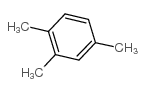
1,2,4-TRIMETHYL BENZENE structure
|
Common Name | 1,2,4-TRIMETHYL BENZENE | ||
|---|---|---|---|---|
| CAS Number | 95-63-6 | Molecular Weight | 120.19200 | |
| Density | 0.88 | Boiling Point | 168 °C(lit.) | |
| Molecular Formula | C9H12 | Melting Point | -44 °C | |
| MSDS | Chinese USA | Flash Point | 120 °F | |
| Symbol |


GHS02, GHS07, GHS08, GHS09 |
Signal Word | Danger | |
Summary: 1,2,4-trimethylbenzene, Chinese name: 1,2,4-三甲苯, CAS number: 95-63-6, molecular formula: C9H12, molecular weight: 120.19200. Appearance: transparent liquid, melting point: -44 °C, boiling point: 168 °C. Primarily used in production of PVC plastic plasticizers, powder coatings, medicines, dyes, synthetic resins, etc. For research-use only, not for medical or clinical usage.
This table lists Chinese names, IUPAC names and various aliases of this chemical substance.
| Name | 1,2,4-trimethylbenzene |
|---|---|
| Synonym | More Synonyms |
This table shows physicochemical parameters including melting point, boiling point, density, solubility and optical rotation. Missing data is marked as N/A.
| Density | 0.88 |
|---|---|
| Boiling Point | 168 °C(lit.) |
| Melting Point | -44 °C |
| Molecular Formula | C9H12 |
| Molecular Weight | 120.19200 |
| Flash Point | 120 °F |
| Exact Mass | 120.09400 |
| LogP | 2.61180 |
| Vapour density | 4.1 (vs air) |
| Vapour Pressure | 4.5 mm Hg ( 37.7 °C) |
| Index of Refraction | n20/D 1.504(lit.) |
| InChIKey | GWHJZXXIDMPWGX-UHFFFAOYSA-N |
| SMILES | Cc1ccc(C)c(C)c1 |
| Stability | Stable. Incompatible with strong oxidizing agents. Flammable. May form explosive mixtures with air. |
This table provides MSDS information including hazard classification, first‑aid, fire‑fighting, spill handling, operation and storage instructions.
This table summarizes toxicological test data, acute & chronic toxicity and ecological hazard parameters for this chemical.
CHEMICAL IDENTIFICATION
HEALTH HAZARD DATAACUTE TOXICITY DATA
|
This table covers safety warnings, protective measures, incompatible substances and disposal guidelines for this compound.
| Symbol |
GHS02, GHS07, GHS08, GHS09 |
|---|---|
| Signal Word | Danger |
| Hazard Statements | H226-H304-H315-H319-H332-H335-H411 |
| Precautionary Statements | P261-P273-P301 + P310-P305 + P351 + P338-P331 |
| Personal Protective Equipment | Eyeshields;Faceshields;full-face respirator (US);Gloves;multi-purpose combination respirator cartridge (US);type ABEK (EN14387) respirator filter |
| Hazard Codes | Xn:Harmful;N:Dangerousfortheenvironment; |
| Risk Phrases | R10;R20;R36/37/38;R51/53 |
| Safety Phrases | S26-S61-S45-S36/37-S16-S7 |
| RIDADR | UN 3295 3/PG 3 |
| WGK Germany | 2 |
| RTECS | DC3325000 |
| Packaging Group | III |
| Hazard Class | 3 |
This table presents publicly reported synthetic routes, reaction conditions, reactants and product information of the compound.
This table lists upstream starting materials and downstream derivative products related to this chemical.
| Precursor 9 | |
|---|---|
| DownStream 10 | |
 CAS#:824-55-5
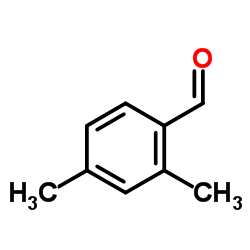 CAS#:15764-16-6
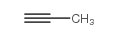 CAS#:74-99-7
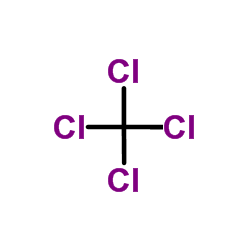 CAS#:56-23-5
 CAS#:74-83-9
 CAS#:71-43-2
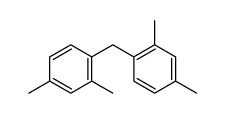 CAS#:32588-46-8
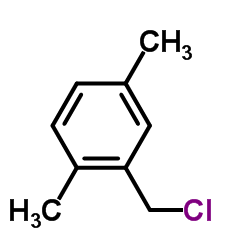 CAS#:824-45-3
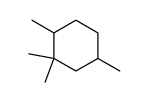 CAS#:54497-05-1
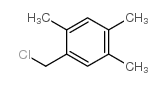 CAS#:10340-77-9
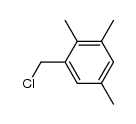 CAS#:38147-10-3
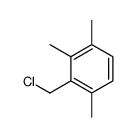 CAS#:34643-29-3
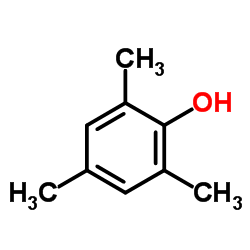 CAS#:527-60-6
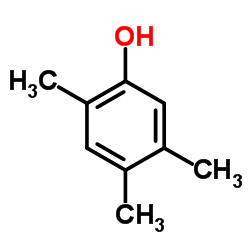 CAS#:496-78-6
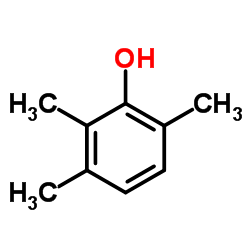 CAS#:2416-94-6
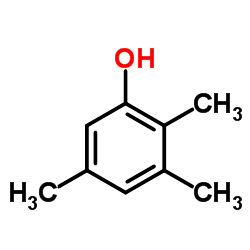 CAS#:697-82-5
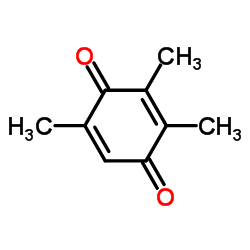 CAS#:935-92-2
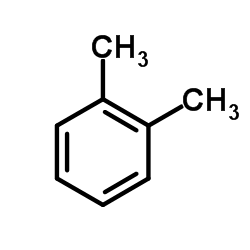 CAS#:95-47-6
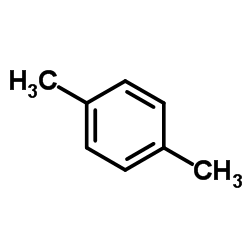 CAS#:106-42-3
This table lists relevant public references with title, journal and publication metadata for this compound.
|
QSPR modeling of octanol/water partition coefficient for vitamins by optimal descriptors calculated with SMILES.
Eur. J. Med. Chem. 43 , 714-40, (2008) Simplified molecular input line entry system (SMILES) has been utilized in constructing quantitative structure-property relationships (QSPR) for octanol/water partition coefficient of vitamins and org... |
|
|
Developmental toxicity of two trimethylbenzene isomers, mesitylene and pseudocumene, in rats following inhalation exposure.
Food Chem. Toxicol. 43(7) , 1055-63, (2005) The developmental toxicity of two trimethylbenzene isomers, mesitylene (1,3,5-trimethylbenzene) and pseudocumene (1,2,4-trimethylbenzene) was studied in Sprague-Dawley rats following inhalation exposu... |
|
|
Kinetics and mechanism of the reaction of OH with the trimethylbenzenes--experimental evidence for the formation of adduct isomers.
Phys. Chem. Chem. Phys. 14(40) , 13933-48, (2012) The reversible gas-phase addition of OH radicals to the trimethylbenzenes was investigated in pulsed experiments utilizing VUV flash-photolysis resonance-fluorescence of H(2)O in the temperature range... |
This table collects all English aliases, systematic names and CAS‑related synonyms of the compound.
| EINECS 202-436-9 |
| 1,2,4-Trimethylbenzene |
| 1,2,4-trimethyl benzene |
| MFCD00008527 |
| Pseudoaspidinol-iB |
| pseudo-cymene |
| Pseudocumol |
| pseudocumene |
This section contains frequently‑asked‑questions about this compound, including basic parameters, properties, storage conditions and corresponding answers.
| Q: What is the molecular formula of 1,2,4-trimethylbenzene? |
| A: Molecular formula of 1,2,4-trimethylbenzene is C9H12. |
| Q: What is the molecular weight of 1,2,4-trimethylbenzene? |
| A: Molecular weight of 1,2,4-trimethylbenzene is 120.19200. |
| Q: What are the downstream products of 1,2,4-trimethylbenzene? |
| A: Related downstream products(CAS) of 1,2,4-trimethylbenzene: 10340-77-9;38147-10-3;34643-29-3;527-60-6;496-78-6;2416-94-6;697-82-5;935-92-2;95-47-6;106-42-3. |
| Q: What is the CAS number of 1,2,4-trimethylbenzene? |
| A: CAS number of 1,2,4-trimethylbenzene is 95-63-6. |
| Q: What is the SMILES notation of 1,2,4-trimethylbenzene? |
| A: SMILES notation of 1,2,4-trimethylbenzene is Cc1ccc(C)c(C)c1. |
| Q: What is the safety information for 1,2,4-trimethylbenzene? |
| A: Safety information for 1,2,4-trimethylbenzene: S26-S61-S45-S36/37-S16-S7. |
| Q: What are the upstream materials of 1,2,4-trimethylbenzene? |
| A: Related upstream materials(CAS) of 1,2,4-trimethylbenzene: 824-55-5;15764-16-6;74-99-7;56-23-5;74-83-9;71-43-2;32588-46-8;824-45-3;54497-05-1. |
| Q: What is the melting point of 1,2,4-trimethylbenzene? |
| A: Melting point of 1,2,4-trimethylbenzene is -44 °C. |
| Q: What English synonyms does 1,2,4-trimethylbenzene have? |
| A: English synonyms of 1,2,4-trimethylbenzene: EINECS 202-436-9, 1,2,4-Trimethylbenzene, 1,2,4-trimethyl benzene, MFCD00008527, Pseudoaspidinol-iB, pseudo-cymene, Pseudocumol, pseudocumene. |
| Q: What is the InChIKey of 1,2,4-trimethylbenzene? |
| A: InChIKey of 1,2,4-trimethylbenzene is GWHJZXXIDMPWGX-UHFFFAOYSA-N. |
This table lists manufacturers and suppliers of this compound, including vendor names and product supply reference information.
| Shanghai Nianxing Industrial Co., Ltd |
| Dayang Chem (Hangzhou) Co., Ltd. |
| Henan Tianfu Chemical Co., Ltd. |