前往化源商城

Carcinogenesis 2015-04-01

Testosterone regulates thyroid cancer progression by modifying tumor suppressor genes and tumor immunity.

Lisa J Zhang, Yin Xiong, Naris Nilubol, Mei He, Swaroop Bommareddi, Xuguang Zhu, Li Jia, Zhen Xiao, Jeong-Won Park, Xia Xu, Dhaval Patel, Mark C Willingham, Sheue-Yann Cheng, Electron Kebebew

文献索引:Carcinogenesis 36 , 420-8, (2015)

全文:HTML全文

摘要

Cancer gender disparity has been observed for a variety of human malignancies. Thyroid cancer is one such cancer with a higher incidence in women, but more aggressive disease in men. There is scant evidence on the role of sex hormones on cancer initiation/progression. Using a transgenic mouse model of follicular thyroid cancer (FTC), we found castration led to lower rates of cancer in females and less advanced cancer in males. Mechanistically, less advanced cancer in castrated males was due to increased expression of tumor suppressor (Glipr1, Sfrp1) and immune-regulatory genes and higher tumor infiltration with M1 macrophages and CD8 cells. Functional study showed that GLIPR1 reduced cell growth and increased chemokine secretion (Ccl5) that activates immune cells. Our data demonstrate that testosterone regulates thyroid cancer progression by reducing tumor suppressor gene expression and tumor immunity. Published by Oxford University Press 2015.

相关化合物

结构式 名称/CAS号 全部文献
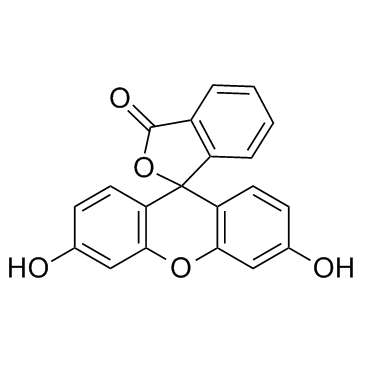
荧光素 结构式 荧光素
CAS:2321-07-5
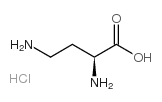
L-2,4-二氨基丁酸 单盐酸盐 结构式 L-2,4-二氨基丁酸 单盐酸盐
CAS:1482-98-0
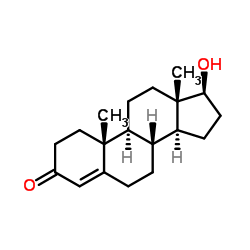
睾酮 结构式 睾酮
CAS:58-22-0
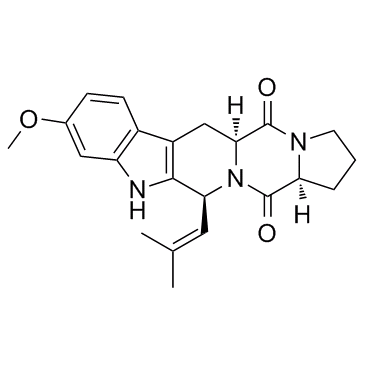
烟曲霉素C, 来源于烟曲霉菌 结构式 烟曲霉素C, 来源于烟曲霉菌
CAS:118974-02-0