Science progress 2013-01-01

The treatment of Wilson's disease, a rare genetic disorder of copper metabolism.

Rupert Purchase

Index: Sci. Prog. 96(Pt 1) , 19-32, (2013)

Full Text: HTML

Abstract

Wilson's disease is a rare autosomal recessive disease characterised by the deposition of copper in the brain, liver; cornea, and other organs. The overload of copper inevitably leads to progressive liver and neurological dysfunction. Copper overload in patients with Wilson's disease is caused by impairment to the biliary route for excretion of dietary copper A combination of neurological, psychiatric and hepatic symptoms can make the diagnosis of Wilson's disease challenging. Most symptoms appear in the second and third decades of life. The disease affects between one in 30,000 and one in 100,000 individuals, and is fatal if left untreated. Five drugs are currently available to treat Wilson's disease: British Anti-Lewisite; D-penicillamine; trientine; zinc sulfate or acetate; and ammonium tetrathiomolybdate. Each drug can reduce copper levels and/or transform copper into a metabolically inert and unavailable form in the patient. The discovery and introduction of these five drugs owes more to the inspiration of a few dedicated physicians and agricultural scientists than to the resources of the pharmaceutical industry.

Related Compounds

Structure Name/CAS No. Articles
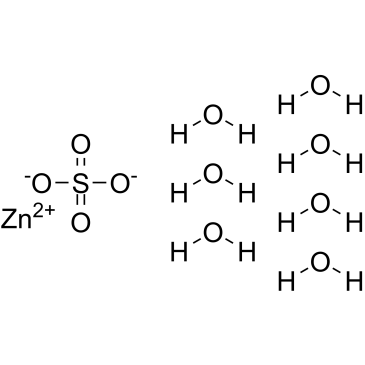
Zinc Sulfate Heptahydrate Structure Zinc Sulfate Heptahydrate
CAS:7446-20-0
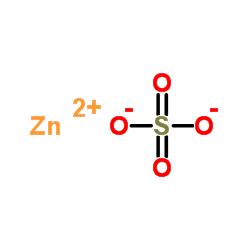
Zinc sulphate Structure Zinc sulphate
CAS:7733-02-0
Molybdenum Structure Molybdenum
CAS:7439-98-7
dimercaprol Structure dimercaprol
CAS:59-52-9
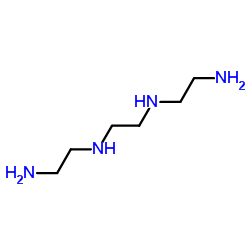
Triethylenetetramine Structure Triethylenetetramine
CAS:112-24-3
D-penicillamine Structure D-penicillamine
CAS:52-67-5