dimercaprol

dimercaprol structure
|
Common Name | dimercaprol | ||
|---|---|---|---|---|
| CAS Number | 59-52-9 | Molecular Weight | 124.225 | |
| Density | 1.2±0.1 g/cm3 | Boiling Point | 223.4±0.0 °C at 760 mmHg | |
| Molecular Formula | C3H8OS2 | Melting Point | N/A | |
| MSDS | Chinese USA | Flash Point | 89.1±18.2 °C | |
| Symbol |

GHS06 |
Signal Word | Danger | |
Use of dimercaprolDimercaprol (2,3-Dimercapto-1-propanol) is an anti-heavy metal-poisoning drug, which exhibits anti-HIV activity[1]. |
Summary: 2,3-Dimercaprol, also known as 2,3-dimercaprol, with Chinese name 2,3-二巯基-1-丙醇, CAS number 59-52-9, has a molecular formula of C3H8OS2 and a molecular weight of 124.225. It appears as a transparent nearly colorless liquid with a boiling point of 223.4°C and a density of 1.2g/cm3. For research-use only, not for medical or clinical usage.
This table lists Chinese names, IUPAC names and various aliases of this chemical substance.
| Name | dimercaprol |
|---|---|
| Synonym | More Synonyms |
This table contains bioactivity, target information and biological‑assay experimental data of this compound.
| Description | Dimercaprol (2,3-Dimercapto-1-propanol) is an anti-heavy metal-poisoning drug, which exhibits anti-HIV activity[1]. |
|---|---|
| Related Catalog | |
| Target |
HIV[1] |
| References |
This table shows physicochemical parameters including melting point, boiling point, density, solubility and optical rotation. Missing data is marked as N/A.
| Density | 1.2±0.1 g/cm3 |
|---|---|
| Boiling Point | 223.4±0.0 °C at 760 mmHg |
| Molecular Formula | C3H8OS2 |
| Molecular Weight | 124.225 |
| Flash Point | 89.1±18.2 °C |
| Exact Mass | 124.001656 |
| PSA | 97.83000 |
| LogP | 0.64 |
| Vapour Pressure | 0.0±0.9 mmHg at 25°C |
| Index of Refraction | 1.552 |
| InChIKey | WQABCVAJNWAXTE-UHFFFAOYSA-N |
| SMILES | OCC(S)CS |
| Stability | Stable. Combustible. Incompatible with strong oxidizing agents, many metals. |
| Water Solubility | 87 g/L (25 ºC) |
This table provides MSDS information including hazard classification, first‑aid, fire‑fighting, spill handling, operation and storage instructions.
This table summarizes toxicological test data, acute & chronic toxicity and ecological hazard parameters for this chemical.
CHEMICAL IDENTIFICATION
HEALTH HAZARD DATAACUTE TOXICITY DATA
|
This table covers safety warnings, protective measures, incompatible substances and disposal guidelines for this compound.
| Symbol |
GHS06 |
|---|---|
| Signal Word | Danger |
| Hazard Statements | H301-H315-H319-H335 |
| Precautionary Statements | P261-P301 + P310-P305 + P351 + P338 |
| Personal Protective Equipment | Eyeshields;Faceshields;full-face respirator (US);Gloves;multi-purpose combination respirator cartridge (US);type ABEK (EN14387) respirator filter |
| Hazard Codes | Xi:Irritant; |
| Risk Phrases | R22;R36/38 |
| Safety Phrases | S26-S36-S24/25-S23 |
| RIDADR | UN 2810 6.1/PG 3 |
| WGK Germany | 3 |
| RTECS | UB2625000 |
| Packaging Group | III |
| Hazard Class | 6.1 |
| HS Code | 29309070 |
This table presents publicly reported synthetic routes, reaction conditions, reactants and product information of the compound.
This table lists upstream starting materials and downstream derivative products related to this chemical.
| Precursor 10 | |
|---|---|
| DownStream 10 | |
 CAS#:96-13-9
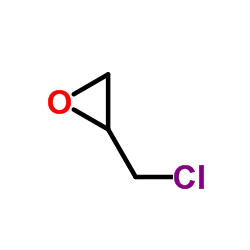 CAS#:106-89-8
 CAS#:616-23-9
 CAS#:507-09-5
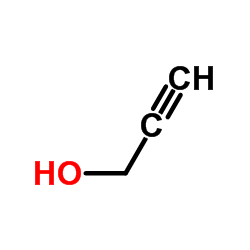 CAS#:107-19-7
 CAS#:59051-15-9
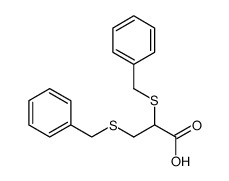 CAS#:55487-28-0
 CAS#:67-56-1
 CAS#:124-38-9
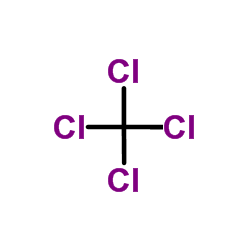 CAS#:56-23-5
 CAS#:15205-69-3
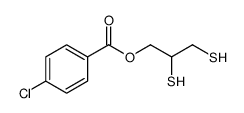 CAS#:103038-53-5
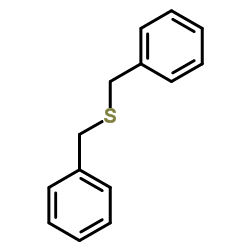 CAS#:538-74-9
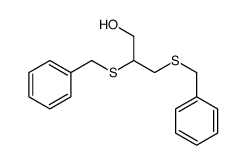 CAS#:55487-29-1
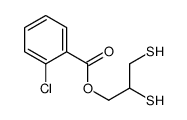 CAS#:103040-47-7
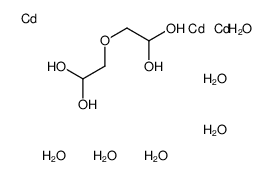 CAS#:7224-17-1
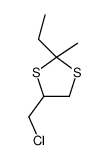 CAS#:88942-49-8
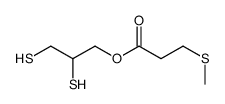 CAS#:99848-17-6
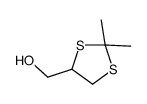 CAS#:5694-47-3
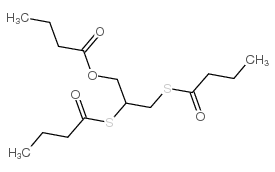 CAS#:58428-97-0
This table shows customs‑related data including HS‑code, tariff and regulatory conditions for import and export.
| HS Code | 29309070 |
|---|
This table lists relevant public references with title, journal and publication metadata for this compound.
|
Nox2-dependent glutathionylation of endothelial NOS leads to uncoupled superoxide production and endothelial barrier dysfunction in acute lung injury.
Am. J. Physiol. Lung Cell. Mol. Physiol. 307(12) , L987-97, (2014) Microvascular barrier integrity is dependent on bioavailable nitric oxide (NO) produced locally by endothelial NO synthase (eNOS). Under conditions of limited substrate or cofactor availability or by ... |
|
|
Nicotinamide exacerbates hypoxemia in ventilator-induced lung injury independent of neutrophil infiltration.
PLoS ONE 10(4) , e0123460, (2015) Ventilator-induced lung injury is a form of acute lung injury that develops in critically ill patients on mechanical ventilation and has a high degree of mortality. Nicotinamide phosphoribosyltransfer... |
|
|
Safety and biocompatibility of carbohydrate-functionalized polyanhydride nanoparticles.
AAPS J. 17(1) , 256-67, (2015) Carbohydrate functionalization of nanoparticles allows for targeting of C-type lectin receptors. This family of pattern recognition receptors expressed on innate immune cells, such as macrophages and ... |
This table contains target information, in‑vitro & in‑vivo assay data for this compound.
This table collects all English aliases, systematic names and CAS‑related synonyms of the compound.
| dimercaprol |
| DMP |
| UNII:0CPP32S55X |
| British Anti-Lewisite |
| 2,3-Dimercaptopropan-1-ol |
| 2,3-Dimercapto-1-propanol |
| BAL |
| α,β-Dithioglycerol |
| EINECS 200-433-7 |
| 2,3-Dithiopropanol |
| Dimersol |
| 2,3-Dithiopropan-1-ol |
| MFCD00004864 |
| a,b-Dithioglycerol |
| 2,3-Disulfanyl-1-propanol |
| 2,3-Disulfanylpropan-1-ol |
| 1,2-Dimercapto-3-propanol |
This section contains frequently‑asked‑questions about this compound, including basic parameters, properties, storage conditions and corresponding answers.
| Q: What is the safety information for dimercaprol? |
| A: Safety information for dimercaprol: S26-S36-S24/25-S23. |
| Q: What is the InChIKey of dimercaprol? |
| A: InChIKey of dimercaprol is WQABCVAJNWAXTE-UHFFFAOYSA-N. |
| Q: What are the downstream products of dimercaprol? |
| A: Related downstream products(CAS) of dimercaprol: 15205-69-3;103038-53-5;538-74-9;55487-29-1;103040-47-7;7224-17-1;88942-49-8;99848-17-6;5694-47-3;58428-97-0. |
| Q: What is the LogP of dimercaprol? |
| A: LogP of dimercaprol is 0.64. |
| Q: How is the water solubility of dimercaprol? |
| A: Water solubility of dimercaprol: 87 g/L (25 ºC). |
| Q: What is the English name of dimercaprol? |
| A: The English name of dimercaprol is dimercaprol. |
| Q: What is the molecular formula of dimercaprol? |
| A: Molecular formula of dimercaprol is C3H8OS2. |
| Q: What is the polar surface area (PSA) of dimercaprol? |
| A: Polar surface area (PSA) of dimercaprol is 97.83000. |
| Q: What is the SMILES notation of dimercaprol? |
| A: SMILES notation of dimercaprol is OCC(S)CS. |
| Q: What are the upstream materials of dimercaprol? |
| A: Related upstream materials(CAS) of dimercaprol: 96-13-9;106-89-8;616-23-9;507-09-5;107-19-7;59051-15-9;55487-28-0;67-56-1;124-38-9;56-23-5. |
This table lists manufacturers and suppliers of this compound, including vendor names and product supply reference information.
| Shanghai Nianxing Industrial Co., Ltd |
| Dayang Chem (Hangzhou) Co., Ltd. |
| Henan Tianfu Chemical Co., Ltd. |