Biomedicine & Pharmacotherapy 2015-03-01

N-acetylcysteine relieves oxidative stress and protects hippocampus of rat from radiation-induced apoptosis by inhibiting caspase-3.

Jianguo Li, Zhuangzhi Meng, Guowei Zhang, Yonghua Xing, Li Feng, Saijun Fan, Feiyue Fan, Batu Buren, Qiang Liu

Index: Biomed. Pharmacother. 70 , 1-6, (2015)

Full Text: HTML

Abstract

It has been recognized that radiation-induced effects remain a significant risk. An accumulation of reactive oxygen species (ROS) is considered to be one factor that contributes to neurodegenerative changes. The aim of our study was to investigate the potential radioprotective effects of NAC. Male Sprague-Dawley rats underwent radiation. Irradiation was performed at room temperature with a 4-Gy dose of radiation. A dose of N-acetylcysteine (NAC) was performed 15 min prior to irradiation intraperitoneally. The methods of immunohistochemistry, TUNEL staining, Nissl staining, qRT-PCR, analysis of reactive oxygen species and Western blot were performed. In conclusion, our results demonstrate that NAC inhibits apoptosis induced by irradiation via the inhibition of caspase-3. We demonstrated a decrease in caspase-3 mRNA that was present at 24h of NAC treatment. Such mRNA decrease was accompanied by a decrease of protein. In the present study, NAC effectively antagonized oxidation induced by irradiation. These results provide evidence that the neural protective effect and the antioxidant effect of NAC contribute to metabolic activity.Copyright © 2015 Elsevier Masson SAS. All rights reserved.

Related Compounds

Structure Name/CAS No. Articles
sodium dodecyl sulfate Structure sodium dodecyl sulfate
CAS:151-21-3
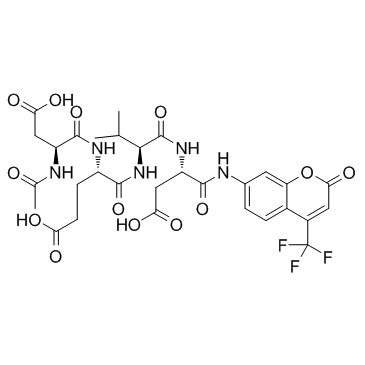
Ac-Asp-Glu-Val-Asp-AFC Structure Ac-Asp-Glu-Val-Asp-AFC
CAS:201608-14-2
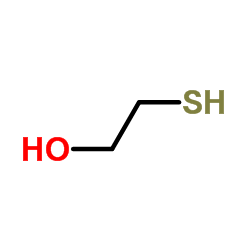
mercaptoethanol Structure mercaptoethanol
CAS:60-24-2
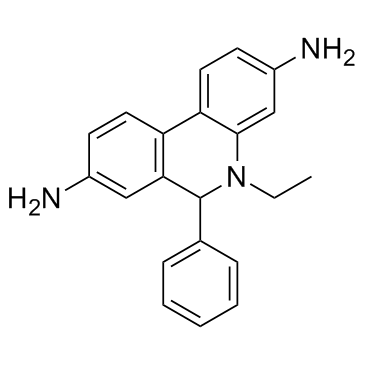
Dihydroethidium Structure Dihydroethidium
CAS:104821-25-2