British Journal of Pharmacology 2015-11-01

Protective effect of the multitarget compound DPH-4 on human SSAO/VAP-1-expressing hCMEC/D3 cells under oxygen-glucose deprivation conditions: an in vitro experimental model of cerebral ischaemia.

P Sun, G Esteban, T Inokuchi, J Marco-Contelles, B B Weksler, I A Romero, P O Couraud, M Unzeta, M Solé

Index: Br. J. Pharmacol. 172 , 5390-402, (2016)

Full Text: HTML

Abstract

Stroke and Alzheimer's disease (AD) are related pathologies in which the cerebrovascular system is involved. Plasma levels of semicarbazide-sensitive amine oxidase/vascular adhesion protein 1 (SSAO/VAP-1, also known as Primary Amine Oxidase -PrAO) are increased in both stroke and AD patients and contribute to the vascular damage. During inflammation, its enzymatic activity mediates leukocyte recruitment to the injured tissue, inducing damage in the blood-brain barrier (BBB) and neuronal tissue. We hypothesized that by altering cerebrovascular function, SSAO/VAP-1 might play a role in the stroke-AD transition. Therefore, we evaluated the protective effect of the novel multitarget-directed ligand DPH-4, initially designed for AD therapy, on the BBB.A human microvascular brain endothelial cell line expressing human SSAO/VAP-1 was generated, as the expression of SSAO/VAP-1 is lost in cultured cells. To simulate ischaemic damage, these cells were subjected to oxygen and glucose deprivation (OGD) and re-oxygenation conditions. The protective role of DPH-4 was then evaluated in the presence of methylamine, an SSAO substrate, and/or β-amyloid (Aβ).Under our conditions, DPH-4 protected brain endothelial cells from OGD and re-oxygenation-induced damage, and also decreased SSAO-dependent leukocyte adhesion. DPH-4 was also effective at preventing the damage induced by OGD and re-oxygenation in the presence of Aβ as a model of AD pathology.From these results, we concluded that the multitarget compound DPH-4 might be of therapeutic benefit to delay the onset and/or progression of the neurological pathologies associated with stroke and AD, which appear to be linked.© 2015 The British Pharmacological Society.

Related Compounds

Structure Name/CAS No. Articles
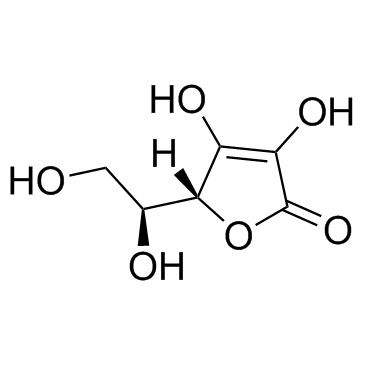
Ascorbic acid Structure Ascorbic acid
CAS:50-81-7
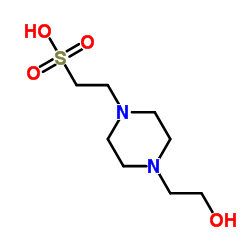
HEPES Structure HEPES
CAS:7365-45-9
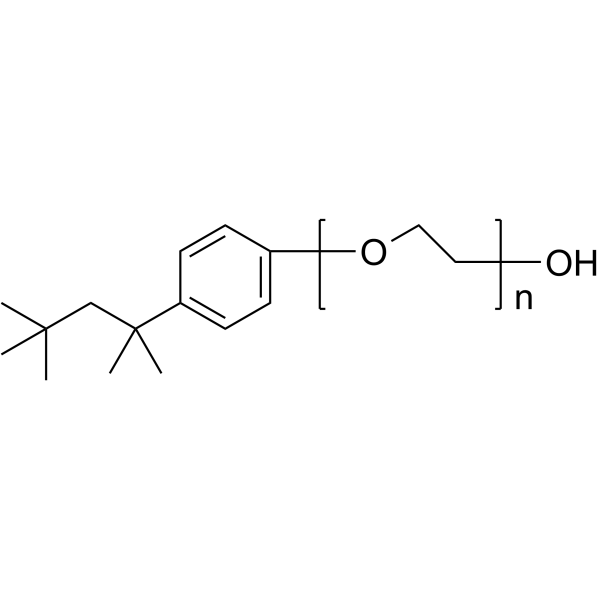
Triton X-100 Structure Triton X-100
CAS:9002-93-1
DL-Glyceraldehyde 3-phosphate Structure DL-Glyceraldehyde 3-phosphate
CAS:591-59-3
Hydrocortisone Structure Hydrocortisone
CAS:50-23-7
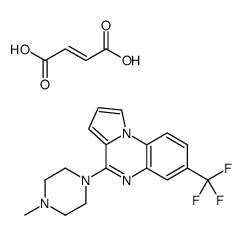
CGS-12066 maleate Structure CGS-12066 maleate
CAS:1350965-83-1
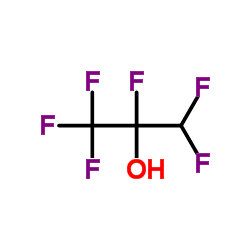
Hexafluoroisopropanol Structure Hexafluoroisopropanol
CAS:920-66-1
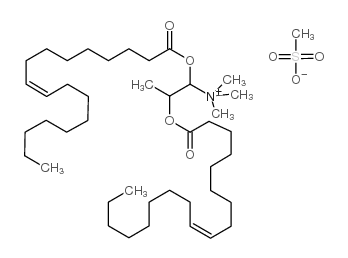
DOTAP Transfection Reagent Structure DOTAP Transfection Reagent
CAS:144189-73-1
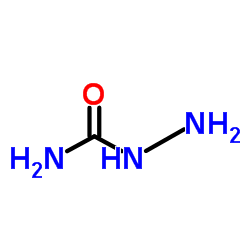
Semicarbazide Structure Semicarbazide
CAS:57-56-7