Epilepsy & Behavior 2013-09-01

Pharmacological and neuroethological studies of three antiepileptic drugs in the Genetic Audiogenic Seizure Hamster (GASH:Sal).

B Barrera-Bailón, J A C Oliveira, D E López, L J Muñoz, N Garcia-Cairasco, C Sancho

Index: Epilepsy Behav. 28(3) , 413-25, (2013)

Full Text: HTML

Abstract

Epilepsy modeling is essential for understanding the basic mechanisms of the epileptic process. The Genetic Audiogenic Seizure Hamster (GASH:Sal) exhibits generalized tonic-clonic seizures of genetic origin in response to sound stimulation and is currently being validated as a reliable model of epilepsy. Here, we performed a pharmacological and neuroethological study using well-known and widely used antiepileptic drugs (AEDs), including phenobarbital (PB), valproic acid (VPA), and levetiracetam (LEV). The intraperitoneal administration of PB (5-20mg/kg) and VPA (100-300mg/kg) produced a dose-dependent decrease in GASH:Sal audiogenic seizure severity scores. The administration of LEV (30-100mg/kg) did not produce a clear effect. Phenobarbital showed a short plasmatic life and had a high antiepileptic effect starting at 10mg/kg that was accompanied by ataxia. Valproic acid acted only at high concentrations and was the AED with the most ataxic effects. Levetiracetam at all doses also produced sedation and ataxia side effects. We conclude that the GASH:Sal is a reliable genetic model of epilepsy suitable to evaluate AEDs. Copyright © 2013 Elsevier Inc. All rights reserved.

Related Compounds

Structure Name/CAS No. Articles
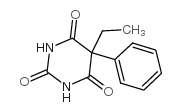
phenobarbital Structure phenobarbital
CAS:50-06-6
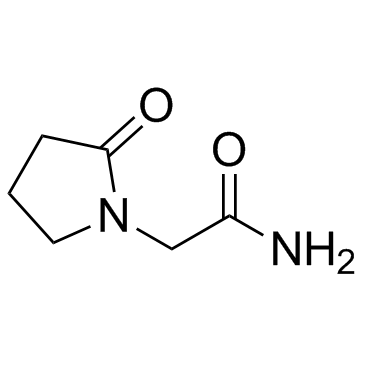
Piracetam Structure Piracetam
CAS:7491-74-9
phenobarbital sodium Structure phenobarbital sodium
CAS:57-30-7
Etiracetam Structure Etiracetam
CAS:103765-01-1
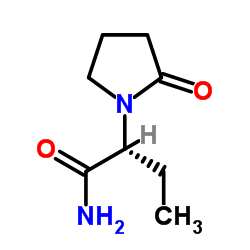
Levetiracetam Structure Levetiracetam
CAS:102767-28-2