Journal of Nutritional Science and Vitaminology 2015-01-01

Dietary ribonucleic acid suppresses inflammation of adipose tissue and improves glucose intolerance that is mediated by immune cells in C57BL/6 mice fed a high-fat diet.

Tohru Sakai, Tomoyo Taki, Akiko Nakamoto, Shiho Tazaki, Mai Arakawa, Mariko Nakamoto, Rie Tsutsumi, Emi Shuto

Index: J. Nutr. Sci. Vitaminol. 61(1) , 73-8, (2015)

Full Text: HTML

Abstract

Recent evidence suggests that immune cells play an important role in differentiation of inflammatory macrophages in adipose tissue, which contributes to systemic chronic inflammation. Dietary ribonucleic acid (RNA) has been shown to modulate immune function. We hypothesized that RNA affects immune cell function in adipose tissue and then improves inflammatory response in adipose tissue. C57/BL6 mice and recombination activating gene-1 (RAG-1) knockout mice on a C57BL/6 mice background were fed a high-fat diet containing 1% RNA for 12 wk. An oral glucose tolerance test was performed. Supplementation of dietary RNA in C57BL/6 mice fed a high-fat diet resulted in a smaller area under the curve (AUC) after oral glucose administration than that for control mice. The mRNA expression levels of inflammation-related cytokines in adipose tissue and serum interleukin-6 levels were reduced by dietary RNA supplementation. Interestingly, reduction of the AUC value by RNA supplementation was abolished in T and B cell-deficient RAG-1 knockout mice. These results indicate that RNA improves inflammation in adipose tissue and reduces the AUC value following oral glucose administration in a T and B cell-dependent manner.

Related Compounds

Structure Name/CAS No. Articles
DL-Methionine Structure DL-Methionine
CAS:59-51-8
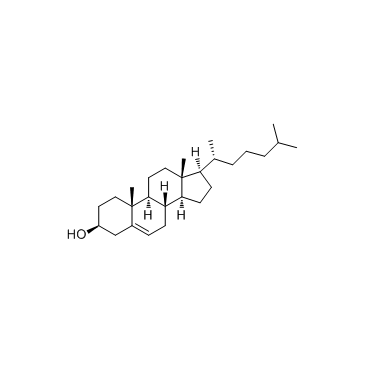
cholesterol Structure cholesterol
CAS:57-88-5
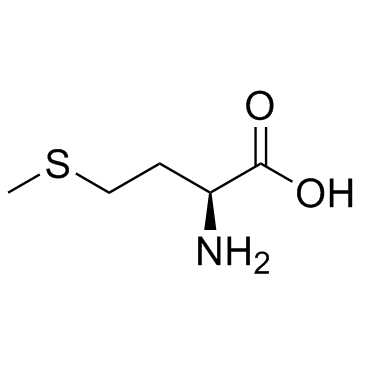
L-Methionine Structure L-Methionine
CAS:63-68-3
Choline hydrogen tartrate Structure Choline hydrogen tartrate
CAS:87-67-2